Belt and Hose Inspections: Your Guide to Avoiding Major Auto Repairs in Albuquerque
Regular inspections of your vehicle's belts and hoses can save you from expensive engine damage and unexpected breakdowns. These rubber components work quietly behind the scenes to keep your car running, but they wear down over time from heat and everyday use. When they fail without warning, you could face anything from being stranded on the side of the road to serious engine problems.
Most car owners don't think about these parts until something goes wrong. A broken timing belt can cause major internal engine damage. A burst radiator hose can drain all your coolant in minutes, leading to severe overheating. At
Mango Automotive in Albuquerque, we recommend checking belts and hoses every time you get an oil change to catch problems early.
This guide explains what belts and hoses do, how to spot warning signs, and why regular inspections protect your vehicle. You'll learn when these parts need attention, what happens if they fail, and how finding the right
auto repair near you makes all the difference in preventing costly breakdowns.
The Vehicle's Belt Systems
A car depends on belts to transfer power from the engine to different parts of the vehicle. Most modern cars use two main types of belts, each with its own important job.
What the Serpentine Belt Does
The serpentine belt is one long belt that winds around several pulleys under your hood. This single belt powers your alternator, power steering pump, air conditioning compressor, and water pump. Without it, all these systems stop working at once.
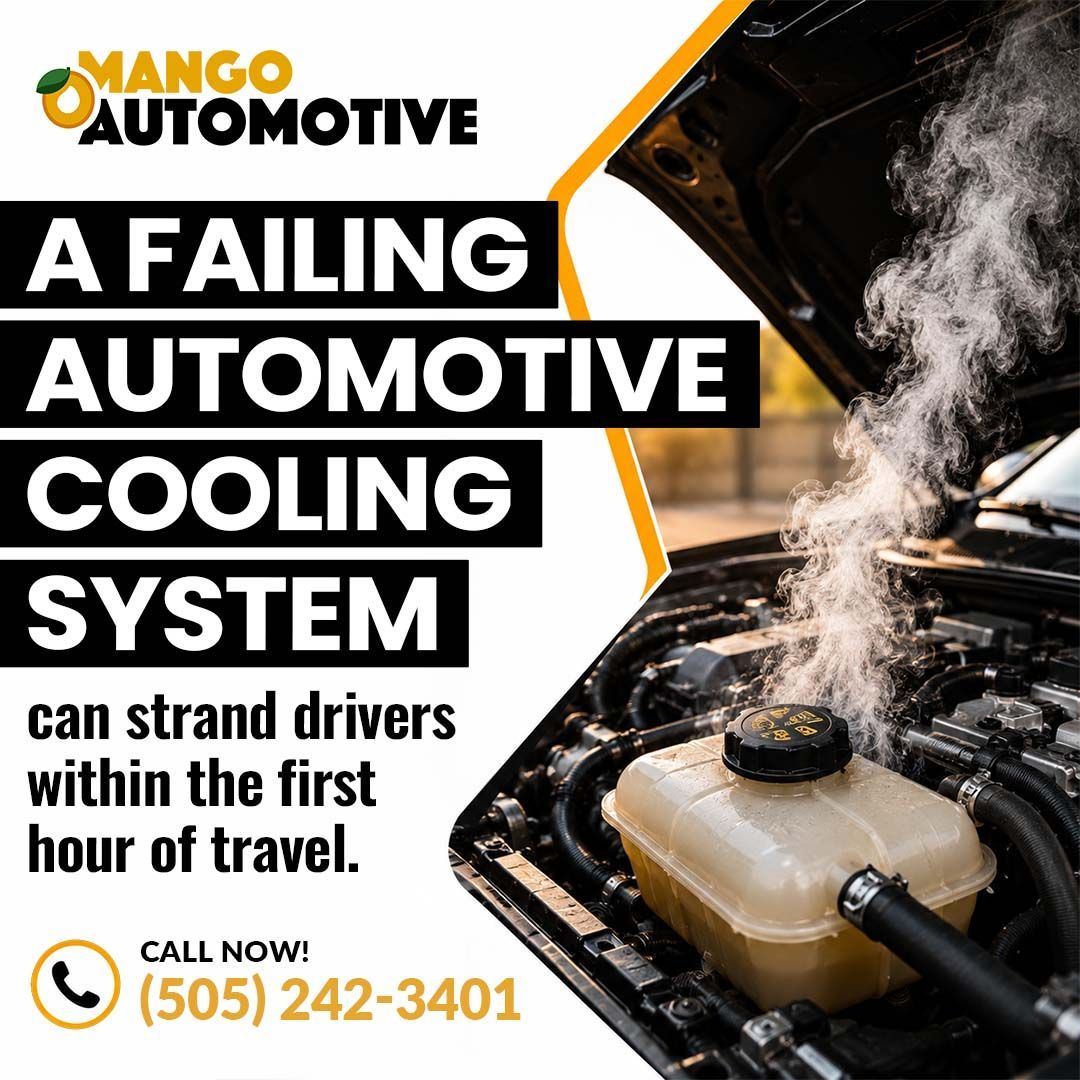
When this belt breaks, several things happen immediately. The power steering becomes very difficult to turn. The alternator stops charging your battery, which will eventually die. Most importantly, the water pump stops moving coolant through the engine, which can cause overheating in just a few minutes.
You can sometimes spot problems with this belt by looking at it. Cracks running along the belt, a shiny glazed surface, or frayed edges all signal wear. However, some modern belts look fine on the outside until they suddenly fail, which is why professional checks at a car repair shop near you matter.
Critical Role of Timing Belts
The timing belt keeps your engine's moving parts working in perfect coordination. It connects the crankshaft to the camshaft, making sure the valves open and close at exactly the right moments. This timing needs to be precise for your engine to run properly.
This belt sits inside a protective cover, so you can't easily see it without taking the parts apart. Most car makers recommend replacing it between 60,000 and 100,000 miles, even if it looks fine. This prevents sudden failure that happens without any warning signs.
Here's something important to know: many newer vehicles have what's called an "interference engine." If the timing belt in these engines breaks, the pistons can hit the valves and cause significant internal damage. Older "non-interference" engines have more space, so less damage occurs, but the engine still stops running immediately.
Hose Systems in Your Vehicle
Hoses move fluids throughout your car while absorbing vibrations from the engine. Different hoses handle different jobs, and each one faces its own challenges from heat and pressure.
Cooling System Hoses
Radiator hoses move coolant between the engine and radiator to prevent overheating. The upper hose carries hot coolant away from the engine to cool down, while the lower hose brings the cooled fluid back. These hoses constantly go from cold to hot and back again, which gradually wears down the rubber.
The upper radiator hose typically fails first because it handles the hottest temperatures. There are also heater hoses that bring hot coolant to the cabin heater. All these hoses work together to keep your engine at the right temperature.
The tricky part about hoses is that they often wear from the inside out. A hose might look perfectly fine on the outside while weakening on the inside. By the time you see cracks or bulges on the outside, the damage is already advanced.
Other Important Hoses
Fuel hoses carry gasoline from the tank to the engine. These use special materials that won't break down from contact with fuel. A leaking fuel hose creates a fire hazard and needs immediate attention.
Power steering hoses work under high pressure to help you turn the steering wheel easily. Brake hoses must hold up under hydraulic pressure while still being flexible enough to move with your steering and suspension. Each type of hose is built specifically for what it needs to do.
When to Have Belts and Hoses Inspected
Knowing when to check these components helps you stay ahead of problems before they leave you stranded.
Regular Inspection Schedule
You should have belts and hoses inspected every 3,000 miles or during each oil change. This regular attention lets mechanics spot gradual wear before parts fail completely. Many car repair shops near you include this inspection as part of routine oil changes at no extra charge.
According to the Car Care Council, serpentine belts become much more likely to fail after
50,000 miles of use. Timing belts need replacement based on your car manufacturer's specific schedule, rather than waiting for problems. Check your owner's manual for the exact mileage interval recommended for your vehicle.
Special Situations Requiring Inspection
Beyond regular mileage checks, certain situations call for immediate inspection. Before taking any long road trip, have a qualified technician at a reliable auto repair shop in Albuquerque look at all your belts and hoses, regardless of when they were last checked. The last thing you want is a breakdown far from home.
If you buy a used car without maintenance records, schedule a thorough inspection right away. The previous owner might have skipped maintenance, leaving parts well past their replacement point. Hot climates like ours here in Albuquerque also speed up rubber wear, so more frequent checks help.
Vehicles over 10 years old need closer attention because rubber naturally deteriorates with age, even if the car hasn't been driven much. Time affects these parts just as much as mileage does.
What Happens When Belts and Hoses Fail
Understanding the consequences of failure shows why prevention matters so much. The problems range from inconvenient to extremely expensive.
Component
What Happens When It Fails
Immediate Effects
Potential Damage
Timing Belt
belt snaps while the engine is running
• Engine stops immediately
• Vehicle cannot restart
• In interference engines: pistons strike valves
• Bent or broken valves
• Damaged pistons
• Major engine rebuilding required
Serpentine Belt
Belt snaps or slips off pulleys
• Steering becomes extremely difficult
• Battery stops charging
• Water pump stops working
• Air conditioning stops
• Engine overheating
• Warped metal parts
• Cracked engine blocks
• Gasket failures
• Damage from flying belt pieces
Coolant Hoses
Hose bursts or develops leaks
• Coolant drains rapidly
• Temperature gauge rises quickly
• Engine loses heat protection
• Severe overheating damage
• Warped cylinder heads
• Blown gaskets
• Cracked engine blocks
Fuel Hoses
Hose cracks or splits
• Fuel leaks onto hot engine parts
• Fuel smell in the cabin
• Reduced engine performance
• Fire hazard
• Environmental contamination
• Engine stalling
Power Steering Hoses
Hose ruptures under pressure
• Sudden loss of power steering
• Steering wheel becomes very stiff
• Fluid leaks under the vehicle
• Difficult vehicle control
• Potential safety risk
• Damage to the power steering pump
Brake Hoses
Hose weakens or leaks
• Reduced braking effectiveness
• Soft or spongy brake pedal
• Longer stopping distances
• Serious safety concerns
• Potential brake failure
• Risk of accidents
Each type of failure creates serious concerns that affect your safety and vehicle operation. Regular inspections catch these problems before complete failure occurs.
Recognizing Warning Signs Early
Catching problems early gives you time to fix them before complete failure occurs. Some symptoms tell you that attention is needed soon.
Belt Warning Signals
Squealing or chirping sounds from under the hood, especially when you start the car or turn on the air conditioning, often mean belt trouble. These noises happen when belts slip because they're worn, too loose, or misaligned. The sounds are annoying, but they give you advance warning before total failure.
Looking at the belts can reveal problems. Cracks across the belt show age-related wear. A shiny, smooth surface means the belt is glazing and will slip. Frayed edges indicate alignment issues. Missing chunks from the belt mean it's time for immediate replacement.
Dashboard warning lights can also signal belt problems. A battery light might mean the serpentine belt isn't turning the alternator properly. Difficulty steering could point to power steering pump belt issues. Air conditioning that won't cool might also be a result of belt slippage.
Hose Problem Indicators
Fluid puddles under your parked car often mean hose leaks. Coolant appears as a brightly colored liquid, usually green, orange, pink, or blue, depending on the type. Power steering fluid looks red or amber near the front wheels.
When the engine is cool, squeeze the hoses near where they connect to other parts. Healthy hoses feel firm but bendable. Soft, mushy spots show internal breakdown. Hard, brittle hoses have lost their flexibility and may crack soon. Bulges or swelling indicate weak areas ready to burst.
Colored residue marks in your engine bay show where coolant has leaked and dried. Check around hose connections, the radiator, and the water pump for these signs. If your temperature gauge climbs into the red zone or you see steam from under the hood, stop driving immediately.
At Mango Automotive, we help you identify these warning signs before they lead to breakdowns. Our experienced team provides thorough auto repair at The Heights in Albuquerque to catch belt and hose problems early.
Why Professional Inspections Work Better
While you can check some things yourself, trained mechanics with proper tools catch problems you might miss.
Professional Tools and Training
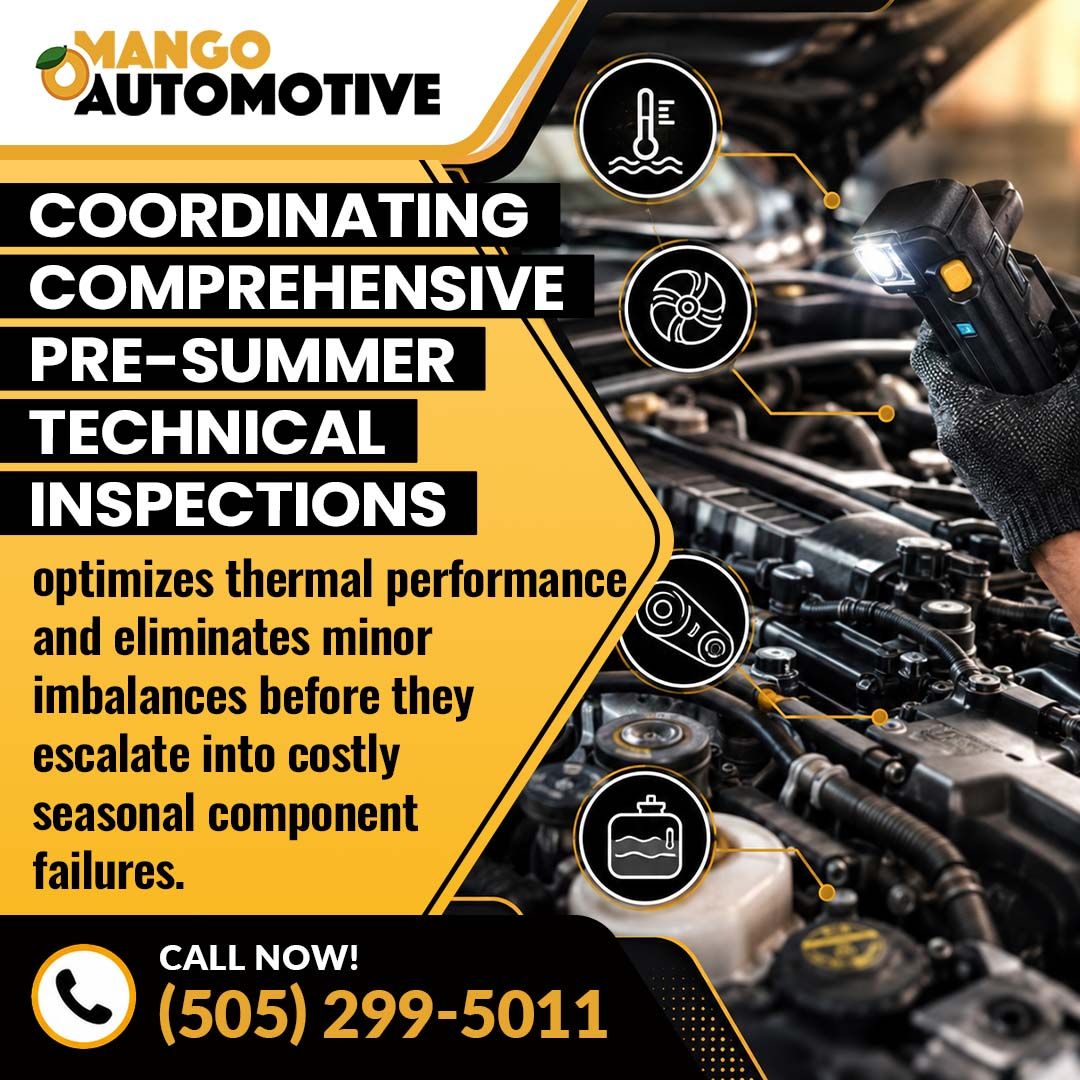
Mechanics use special equipment to measure belt tension accurately. Belts that are too loose slip and overheat. Belts that are too tight strain the bearings in pulleys and accessories, causing those parts to fail early. Regular car owners don't have these measurement tools.
Technicians at
car repair shops near you use mirrors to see the belt undersides where cracks often start. They have testing equipment to check coolant condition and detect contamination that speeds up hose wear. These specialized tools identify problems before they become visible to the untrained eye.
Experience Makes a Difference
Trained technicians recognize subtle signs of developing problems. They notice slight tracking errors, hear bearing noise changes, and spot tiny fluid seepage before it becomes obvious. Years of working on different vehicle makes and models teach them where common failure points occur in your specific car.
During professional inspections, technicians also look at related parts that affect belt and hose life. Worn pulleys, failing water pumps, and oil leaks all get checked. Finding these related issues prevents installing new parts only to have them damaged by other problems.
Mango Automotive's Service Approach
At Mango Automotive, we focus on preventive care that protects your vehicle and prevents unexpected problems. As your trusted partner for auto repair at The Heights in Albuquerque, we help you avoid costly breakdowns through regular maintenance and thorough inspections.
Our Inspection Process
Our technicians examine all accessible belts and hoses during routine service visits. We check for the wear patterns and problems described in this article. We measure belt tension, look for leaks, and assess fluid condition to give you a complete picture of your vehicle's condition. You receive clear documentation showing what we found, what services we recommend, and how urgent each item is. This information helps you make smart decisions about maintenance timing.
Quality Service Standards
We install quality replacement parts designed specifically for your vehicle. Proper installation techniques and correct adjustments help new parts last as long as they should. We also check related components during service to extend the life of new installations.
We also provide a 60-month/60,000-mile warranty on repairs, including 36 months/36,000 miles of nationwide coverage plus an additional 24 months/24,000 miles exclusively at Mango Automotive locations.
Customer Care That's Different
We know car repairs interrupt your day, so we provide comfortable waiting areas with Wi-Fi and refreshments. Our auto repair shop in Albuquerque operates on principles of honest communication and fair treatment. We take time to explain what your vehicle needs, why it matters, and how different options affect your safety and budget, making car care straightforward and stress-free.
Frequently Asked Questions About Belt and Hose Service
Can I drive with a cracked belt or hose?
Driving with a cracked belt or hose is risky because complete failure can happen without warning, potentially leaving you stranded or causing engine damage. As soon as you spot wear signs, contact a trusted provider of auto repair near you for prompt inspection.
Do all hoses need to be replaced at the same time?
While not all hoses need simultaneous replacement, mechanics often recommend replacing multiple hoses together if they're the same age, as rubber deteriorates similarly over time. This approach can save on labor costs since accessing one hose often requires similar work to reach others.
Are timing chains better than timing belts?
Timing chains are made of metal and typically last much longer than rubber belts, often for the life of the engine. However, timing belts run quieter and are less expensive to replace when service is needed.
What causes belts and hoses to fail prematurely?
Premature failure often results from extreme heat exposure, oil contamination, improper tension, or using low-quality replacement parts. Regular maintenance and inspections at a trusted auto repair shop in Albuquerque, like Mango Automotive, can prevent early failures.
Can a broken belt damage other engine components?
Yes, a broken serpentine belt can cause the engine to overheat rapidly, potentially warping cylinder heads, cracking engine blocks, or damaging gaskets. Flying belt fragments can also strike and damage nearby hoses, wiring, and radiator components.
Experience Quality Maintenance and Auto Repair at The Heights in Albuquerque
Protecting your vehicle from belt and hose failures starts with regular professional inspection. The small investment in preventive service prevents major problems and keeps you safely on the road.
At Mango Automotive, we provide thorough examinations using proper diagnostic equipment. We identify problems before they become failures, explain what we discover clearly, and recommend solutions that fit your needs.
Don't wait for warning signs or unexpected breakdowns to find you unprepared. Contact us at
(505) 299-5011 today for dependable auto repair near you and schedule your belt and hose inspection.