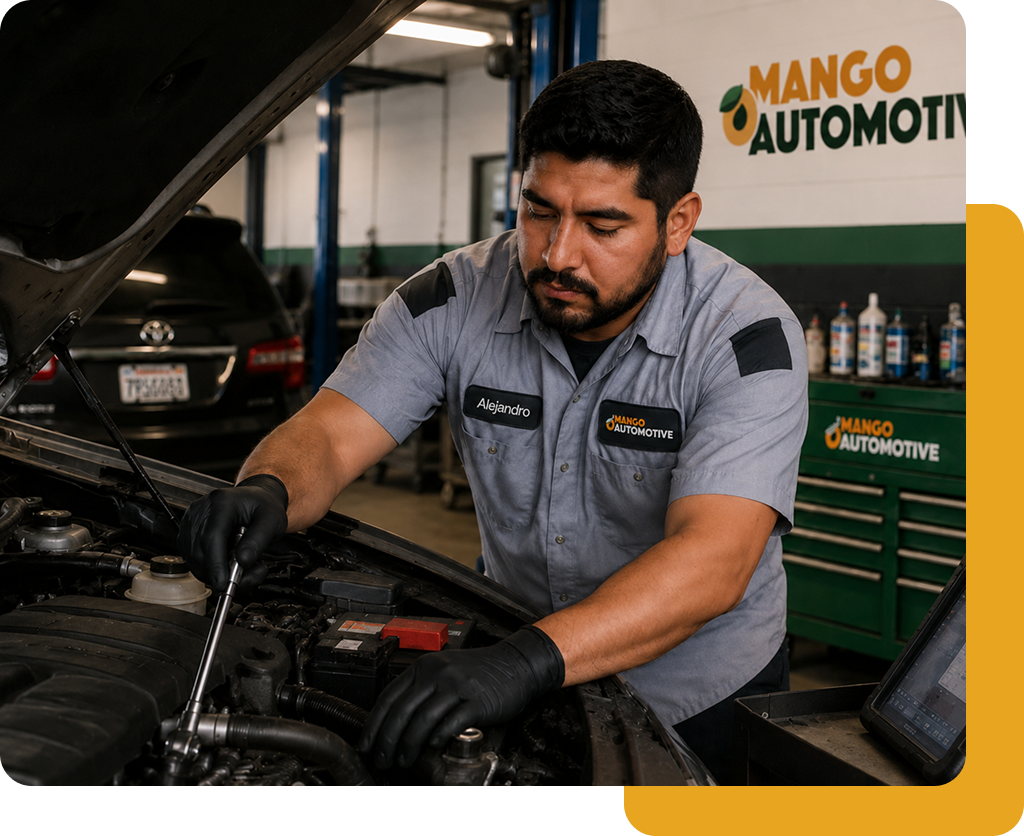
Extreme Heat and Vehicle Fluid Leaks: Insights from an Auto Repair Shop in Las Cruces
Vehicle fluid leaks rank among the most common and preventable causes of summer breakdowns. In Las Cruces, New Mexico, where summer temperatures routinely exceed 100°F, the desert climate puts constant stress on the seals, gaskets, and hoses that keep vehicle fluids where they belong. Components that perform reliably in moderate climates wear out faster here, and the consequences of delayed maintenance are more severe.
Mango Automotive & Diesel delivers dependable
auto repair and maintenance built around the demands of desert driving in Las Cruces. Our technicians work with heat-damaged vehicles throughout the summer and understand the failure patterns that local conditions produce. This article covers why fluid leaks develop in extreme heat, which systems are most vulnerable, and the preventive steps that keep drivers from needing roadside assistance on the hottest days of the year.

Why Extreme Heat Causes Vehicle Fluid Leaks
Extreme heat causes fluid leaks by breaking down the rubber seals and gaskets that keep vehicle fluids contained. As temperatures rise, rubber expands. When temperatures drop overnight, that same rubber contracts. Las Cruces typically experiences daily temperature swings of 30°F or more on many summer days. Those repeated expansion and contraction cycles cause rubber components to harden, lose flexibility, and crack over time.
Fluid viscosity (the thickness and flow resistance of a liquid) also shifts under high temperatures. Engine oil, coolant, and transmission fluid all thin out as operating temperatures climb. Thinner fluid pushes through small gaps and degraded seals that would otherwise hold under normal conditions. A vehicle with aging gaskets may show no leaks through the cooler months but develop visible drips by midsummer.
Most vehicle manufacturers test components under average climate conditions. Las Cruces effectively qualifies as a severe‑duty driving environment by most manufacturer standards. Parts and fluids that perform well in moderate climates tend to reach the end of their service life sooner here, which makes scheduled maintenance more important.
Vehicle Systems Most Vulnerable to Fluid Leaks in Heat
Cooling System
The cooling system is the most heat-vulnerable system in any vehicle. Coolant, the fluid that absorbs engine heat and releases it through the radiator, flows through hoses at 200°F to 220°F while ambient temperatures are already above 100°F. That combination leaves very little tolerance for any weakness in the system.
Radiator hoses are among the most frequent sources of coolant leaks. Sustained heat causes the rubber to soften, swell, and pull away from the hose clamps at the connection points. Upper radiator hoses fail more often than lower ones because they carry the hottest coolant directly from the engine block.
The water pump, which circulates coolant through the engine and radiator, also develops leaks as its shaft seals wear. A small drip from the weep hole (a small drainage opening at the base of the pump that signals seal failure) is an early warning sign. At that stage, the seal is deteriorating and will worsen with continued heat exposure.
Coolant leaks left untreated can warp cylinder heads or cause head gasket failure. Both are among the most labor-intensive repairs any car repair shop handles. Catching a hose or pump seal issue early is far less disruptive than addressing heat-induced engine damage after the fact.
Preventive action: Have coolant hoses inspected every 30,000 miles. Replace any hose showing soft spots, swelling, or surface cracking before a failure occurs.
Engine Oil System
Engine oil leaks in high heat typically develop at the valve cover gaskets, oil pan gaskets, and crankshaft seals. These components create sealed junctions between metal engine parts. Under prolonged heat exposure, the gasket material compresses permanently and loses its ability to maintain a proper seal.
The locations that account for the majority of oil leaks in high-heat environments include:
- Valve cover gaskets sit on top of the engine and seal the valve covers to the cylinder head. Heat causes them to harden and shrink, pulling away from the sealing surface.
- Oil pan gaskets seal the oil pan to the bottom of the engine block. Repeated heat cycles cause this gasket material to lose compression and begin to seep.
- Rear main seal sits at the rear of the crankshaft. When it fails, oil leaks from the back of the engine. Because accessing this seal requires removing the transmission, catching the failure early reduces the overall scope of the repair.
A burning oil smell while driving, dark spots under a parked vehicle, or a steady drop in oil level between changes all point to a developing oil leak. Running a vehicle low on oil causes accelerated bearing wear and, over time, internal engine damage. Identifying the leak source early keeps the repair straightforward.
Preventive action: Check oil level monthly. Any consistent drop between oil changes warrants an inspection at an
auto repair shop in Las Cruces to identify where the fluid is going.
Transmission
Transmission fluid leaks develop when input shaft seals, output shaft seals, and pan gaskets fail from repeated heat exposure. The automatic transmission shifts gears automatically during driving and generates heat with every gear change. In stop-and-go traffic during a Las Cruces summer, that heat accumulates quickly and puts additional stress on transmission seals.
Transmission fluid is reddish-brown when new and darkens with age. Reddish-brown spots under the middle or rear of the vehicle are a reliable indicator of a transmission fluid leak. Low transmission fluid causes rough or delayed shifting. If the fluid level drops far enough, internal clutch packs and planetary gear sets (the mechanical components inside the transmission that control gear ratios) sustain damage that is not reversible through a fluid refill alone.
Catching a seal or pan gasket leak early keeps the repair contained. Waiting until the transmission shows shifting problems often means the internal damage has already progressed.
Preventive action:
Have transmission fluid inspected at every major service interval. Any reddish spotting under the vehicle should be evaluated at a
car repair shop before fluid levels drop far enough to affect transmission operation.
Power Steering System
Power steering fluid leaks occur when high-pressure hoses and steering rack seals break down from heat-related wear. The power steering system uses hydraulic pressure to assist with turning the steering wheel. In extreme heat, the fluid thins and increases pressure on hoses and seals at connection points, accelerating wear over time.
Low power steering fluid from a slow leak commonly produces a whining or groaning noise when the wheel is turned. Cracked or brittle hoses near the power steering pump or rack connections are visible during inspection. If the fluid runs out completely, steering becomes noticeably harder and puts the driver at a disadvantage in traffic.
Preventive action: Check power steering fluid when checking oil. Inspect the hose condition during any routine service for surface cracking or brittleness near fittings and connections.
Brake System
Brake fluid leaks directly affect stopping performance and require quick attention. Brake fluid absorbs moisture from the surrounding air over time. That absorbed moisture lowers the fluid's boiling point. In extreme heat, degraded brake fluid can begin to vaporize during a hard stop. Those vapor bubbles compress under pressure, which is what causes a soft or spongy pedal feel.
Caliper seals, the rubber components inside brake calipers that keep brake fluid contained, also degrade from heat exposure. A leaking caliper creates uneven braking and can cause the vehicle to pull to one side. Brake fluid is typically clear to light yellow and appears near the wheel wells when leaking.
Preventive action: Replace brake fluid every two years or per the vehicle manufacturer's recommended interval. Have caliper seals and brake lines inspected during any brake service at a
mechanic shop near you.
How to Identify a Fluid Leak Before It Becomes a Breakdown
Early detection reduces the scope of repairs and keeps vehicles from failing unexpectedly. Vehicle owners can spot developing leaks without specialized equipment by paying attention to a few observable indicators.
Checking the Parking Surface
After a vehicle sits overnight, examine the ground beneath it. The color and location of any spots provide clear clues about which fluid is leaking:
- Dark brown or black spots indicate oil.
- Reddish-brown spots point to transmission or power steering fluid.
- Green, orange, or pink spots suggest a coolant leak.
- Clear or light yellow spots near the wheels may indicate brake fluid.
The location of the spot under the vehicle also provides useful information. A spot beneath the front of the engine bay points toward the cooling system or oil. When a spot appears under the middle or rear of the vehicle, the transmission is the most likely source.
Monitoring Fluid Levels Monthly
Checking oil, coolant reservoir level, transmission fluid, power steering fluid, and brake fluid reservoir level takes under five minutes and should be done once a month. A consistent drop in any fluid between service intervals means fluid is leaving the system somewhere, even if no visible drip has appeared yet.
Using Odor as an Indicator
A sharp burning smell while driving means oil is dripping onto hot exhaust components. A sweet odor from under the hood is a well-known sign of a coolant leak. A chemical smell near the wheel wells can indicate brake fluid contact with hot brake components.
Watching the Temperature Gauge
A temperature gauge that climbs above the normal operating range signals coolant loss or a cooling system issue. Continuing to drive an overheating engine accelerates heat damage to internal components. If the gauge rises unexpectedly, the safest response is to pull over and have the vehicle towed rather than risk further damage.
If any of these indicators appear, scheduling a visit to a trusted mechanic shop near you as soon as possible keeps a minor issue from developing into a larger repair.
Preventive Maintenance Steps That Reduce Leak Risk
Most summer breakdowns trace back to components that showed early warning signs before they failed. Addressing those signs through scheduled maintenance is the most reliable way to avoid a roadside situation during the hottest months of the year.
Annual Pre-Summer Inspection
Scheduling a thorough inspection before peak summer temperatures arrive is the most practical approach to preventing fluid leaks. A pre-summer inspection at an auto repair shop, like Mango Automotive & Diesel, covers coolant hose and pressure condition, seal and gasket integrity, transmission and power steering line condition, and brake fluid quality. Identifying components near the end of their service life before summer starts reduces the chances of a failure during the hottest months.
Following Severe-Duty Maintenance Intervals
Las Cruces meets the criteria for severe-duty driving: stop-and-go traffic, extreme ambient temperatures, and a dusty environment. Under those conditions, fluid changes and inspections should follow the shorter end of the manufacturer's recommended range.
As a general starting point for severe-duty service in Las Cruces:
- Engine oil: Every 3,000 to 5,000 miles, depending on whether conventional or synthetic oil is used
- Coolant flush: Every two years or 30,000 miles
- Transmission fluid: Every 30,000 miles under severe-duty conditions
- Brake fluid: Every two years
These intervals serve as a general reference. A mechanic shop near you can help determine the right service schedule based on your vehicle's make, model, and mileage.
Choosing the Right Parts and Fluids
Standard replacement gaskets and hoses meet minimum manufacturer specifications. High-temperature alternatives designed for severe-duty applications hold up longer in desert conditions. Full synthetic engine oil maintains viscosity better in extreme heat than conventional oil, which reduces the pressure differential that pushes aging seals toward failure.
What to Do When a Leak Is Discovered
A leak identified early is almost always less involved to repair than one that has progressed.
- Do not continue driving with a visible coolant leak. In the Las Cruces heat, coolant loss can lead to overheating within a single drive. The safer approach is to stop driving and have the vehicle towed to an auto repair shop in Las Cruces rather than risk internal engine damage.
- Avoid relying on stop-leak additives as a permanent fix. These products are a short-term, temporary measure. They do not replace failed seals or repair cracked hoses. In some cases, they create secondary problems by clogging narrow passages in cooling or transmission systems.
- Have the vehicle inspected as soon as a leak is detected. A gasket that seeps a few drops per week can escalate into a major failure within weeks during summer heat. The sooner a car repair shop identifies the source, the easier the repair.
Fluid Leak Prevention and Auto Repair in Las Cruces
Fluid leaks in extreme heat follow a predictable pattern. The seals, gaskets, and hoses most likely to fail have known service lives, and addressing those components on a scheduled basis keeps vehicles reliable through Las Cruces summers.
Mango Automotive & Diesel provides cooling system service, seal and gasket replacement, transmission fluid service, brake system repair, and complete fluid leak diagnosis. Our team understands how desert conditions affect vehicles and looks for early signs of developing leaks before they cause component damage.
Every repair at Mango Automotive & Diesel is backed by our
60-month/60,000-mile warranty, which includes 36 months/36,000 miles of nationwide coverage plus 24 months/24,000 miles at our Las Cruces location.

Schedule Your Service at Mango Automotive & Diesel
Do not wait for a fluid leak to turn into a breakdown. Mango Automotive & Diesel is ready to inspect your vehicle, identify developing issues, and keep your car running reliably through every Las Cruces summer.
Call us at
(575) 221-9941 to schedule a pre-summer inspection or fluid system service. Our team at Mango Automotive & Diesel is ready to answer your questions, walk you through your vehicle's service needs, and help you stay ahead of heat-related auto repairs before they become serious.