How a Reliable Mechanic Shop Near You Balances Traditional Skills With Modern Technology
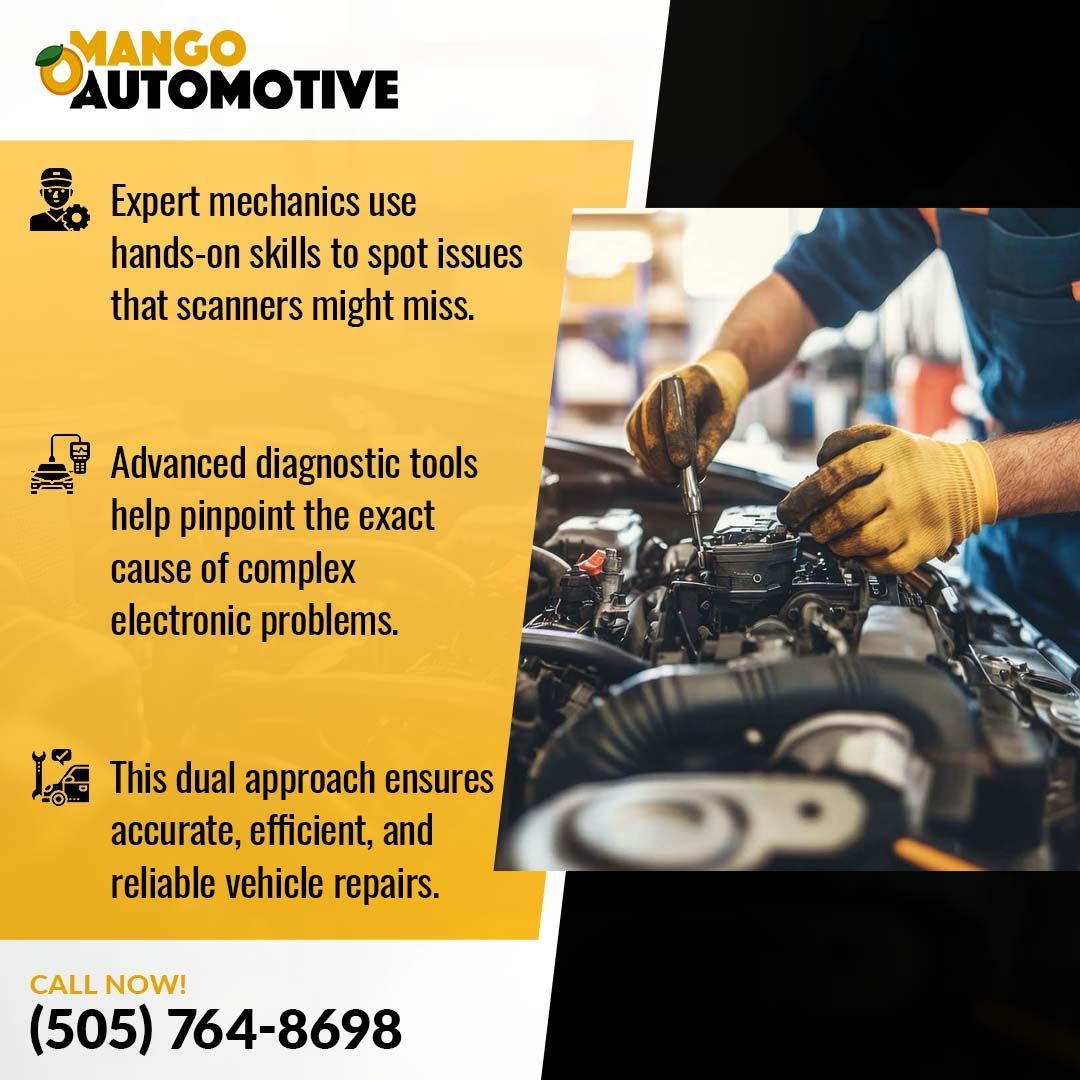
There is a certain kind of trust that builds when a mechanic actually knows your vehicle. Not just what the scanner says, but what the sounds, the feel, and the physical condition of each component are telling them. That knowledge takes years to develop, and it matters just as much today as it did before vehicles became electronically complex.
Modern auto repair requires both. Hands-on mechanical experience and precision diagnostic technology work together. One without the other produces incomplete results. Since opening in 2021,
Mango Automotive (Downtown) has built its reputation around pairing skilled technicians with professional-grade diagnostic tools. That is the standard our
mechanics in Downtown Albuquerque apply to every repair.
Why Hands-On Mechanical Skill Still Matters
Experienced technicians identify problems that diagnostic tools alone cannot detect. Physical inspection, listening for irregular sounds, and understanding how a system behaves under real driving conditions are skills that develop over time. They shape every repair decision before and after a scanner is involved.
A mechanic who hears a faint knock under load, notices fluid staining in a specific location, or feels resistance in a steering component during a test drive brings context to the diagnostic process. That context matters. It narrows the search and shapes what gets verified.
Core Repairs Rooted in Mechanical Experience
Some of the most common vehicle repairs depend heavily on hands-on expertise.
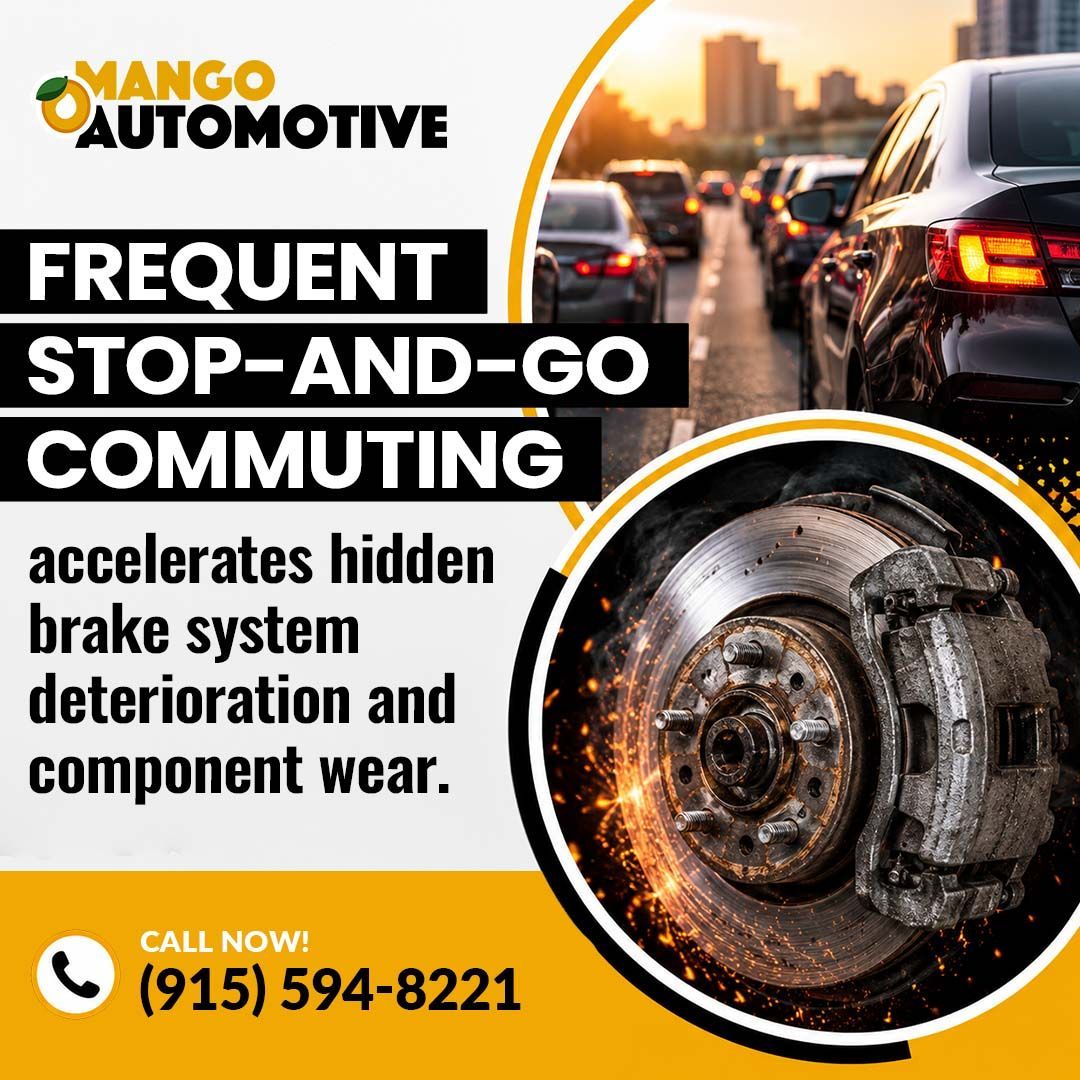
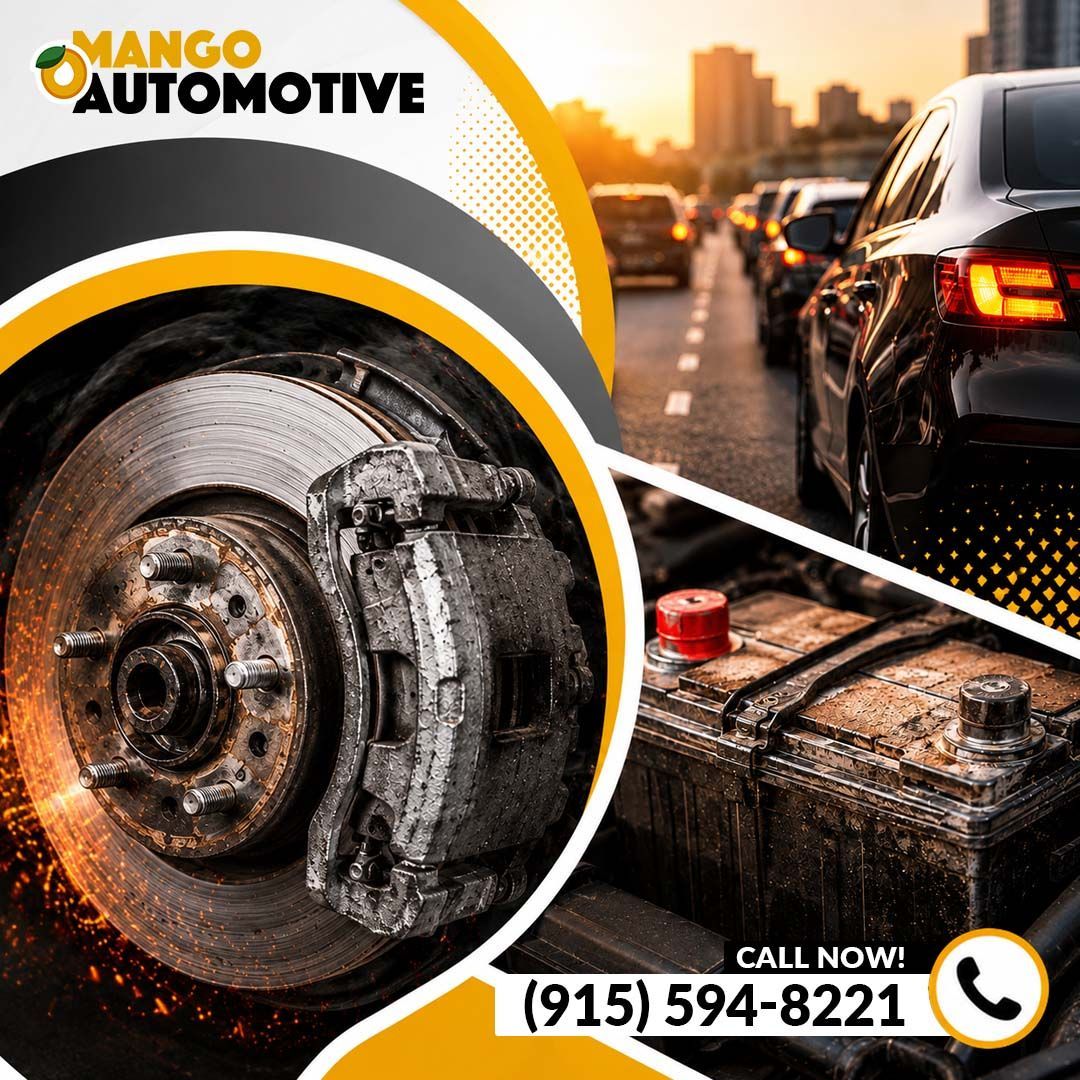
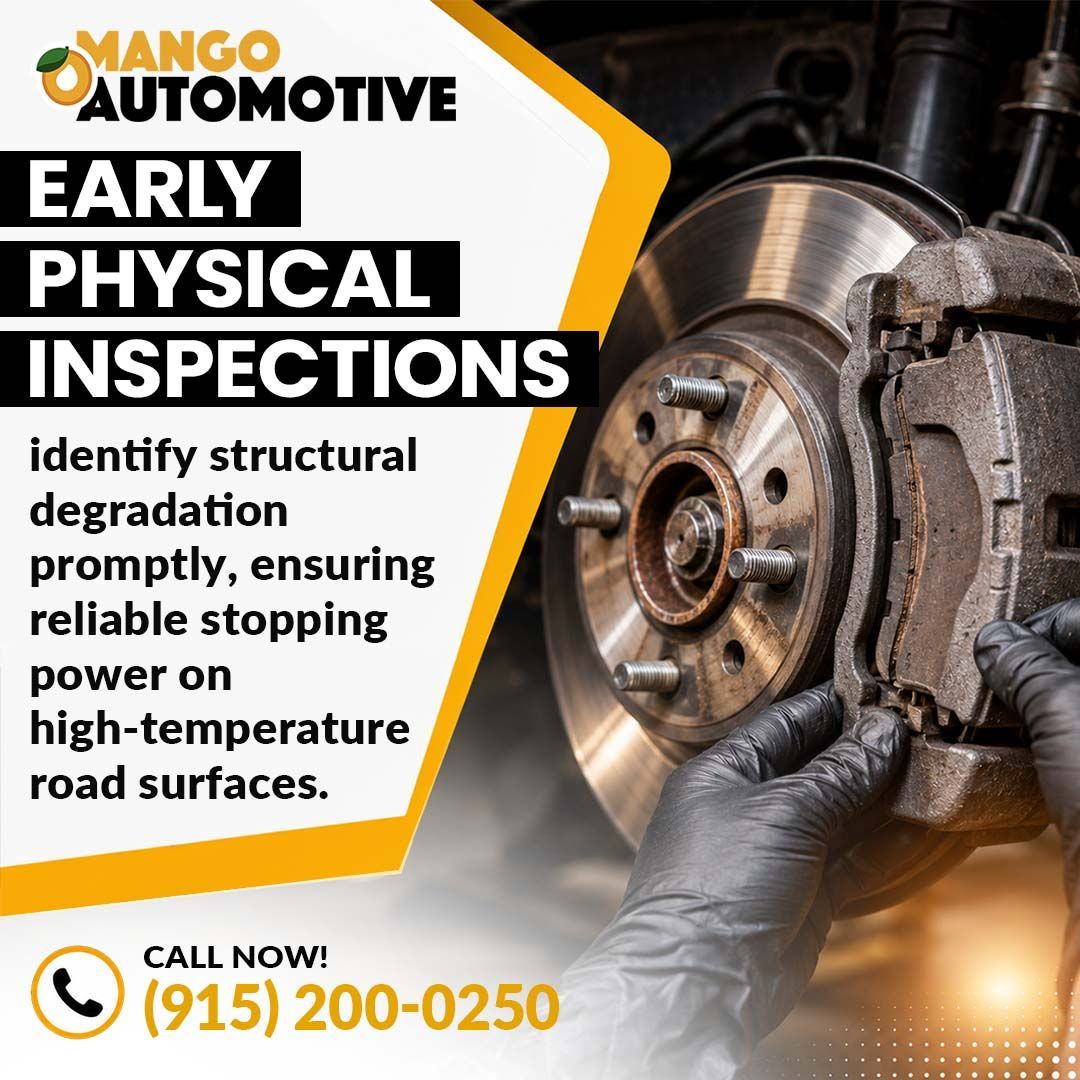
Brake system service involves physical inspection of pads, rotors, calipers, and brake lines. For example, wear patterns on a rotor can indicate a sticking caliper that a fault code would not flag until the problem advances further.
Engine mechanical repairs, such as timing belt replacement, valve adjustments, and gasket service, demand precise execution. These jobs have tight tolerances and no room for approximation.
Suspension and steering service includes component inspection and measurement. Wear levels often fall within a range that a computer will not flag as a fault, but a trained mechanic can identify as a developing concern before it becomes a more involved repair.
Fluid condition assessment is another area where direct evaluation matters. Fluid color, consistency, and odor communicate information that sensor data does not always capture.
These services are the baseline of what any reliable mechanic shop near you should deliver consistently, regardless of how sophisticated the vehicles being serviced have become.
What Modern Vehicle Technology Requires
Today's vehicles are managed by networks of electronic control modules (ECMs) that regulate engine performance, transmission behavior, safety systems, and emissions output in real time.
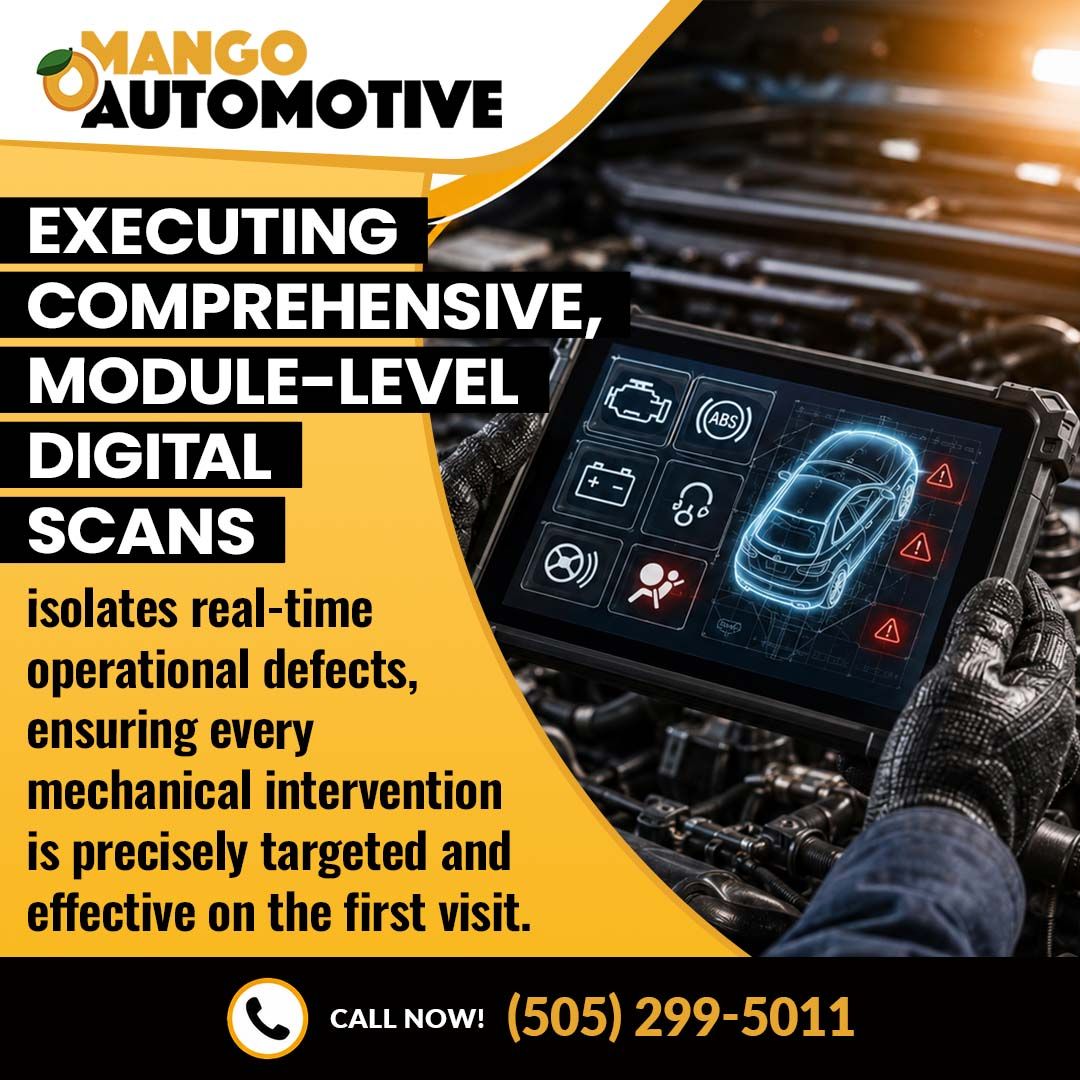
An ECM is an onboard computer that processes input from dozens of sensors and makes continuous adjustments to how the vehicle operates. When a fault occurs, the system stores a
diagnostic trouble code (DTC), which is an alphanumeric identifier that points to the affected system or component. Accessing and interpreting this data accurately requires professional equipment and trained mechanics who understand what the data means in context.
Diagnostic Tools and Their Specific Roles
Every tool in a professional shop has a defined role in the diagnostic process.
OBD-II scan tools read fault codes and live sensor data from vehicle systems. OBD-II, which stands for On-Board Diagnostics second generation, is the standardized diagnostic protocol required on all vehicles sold in the United States after 1996.
Oscilloscopes display electrical signals as visual waveforms, helping technicians to identify irregularities in sensor output or wiring that a standard scanner cannot detect.
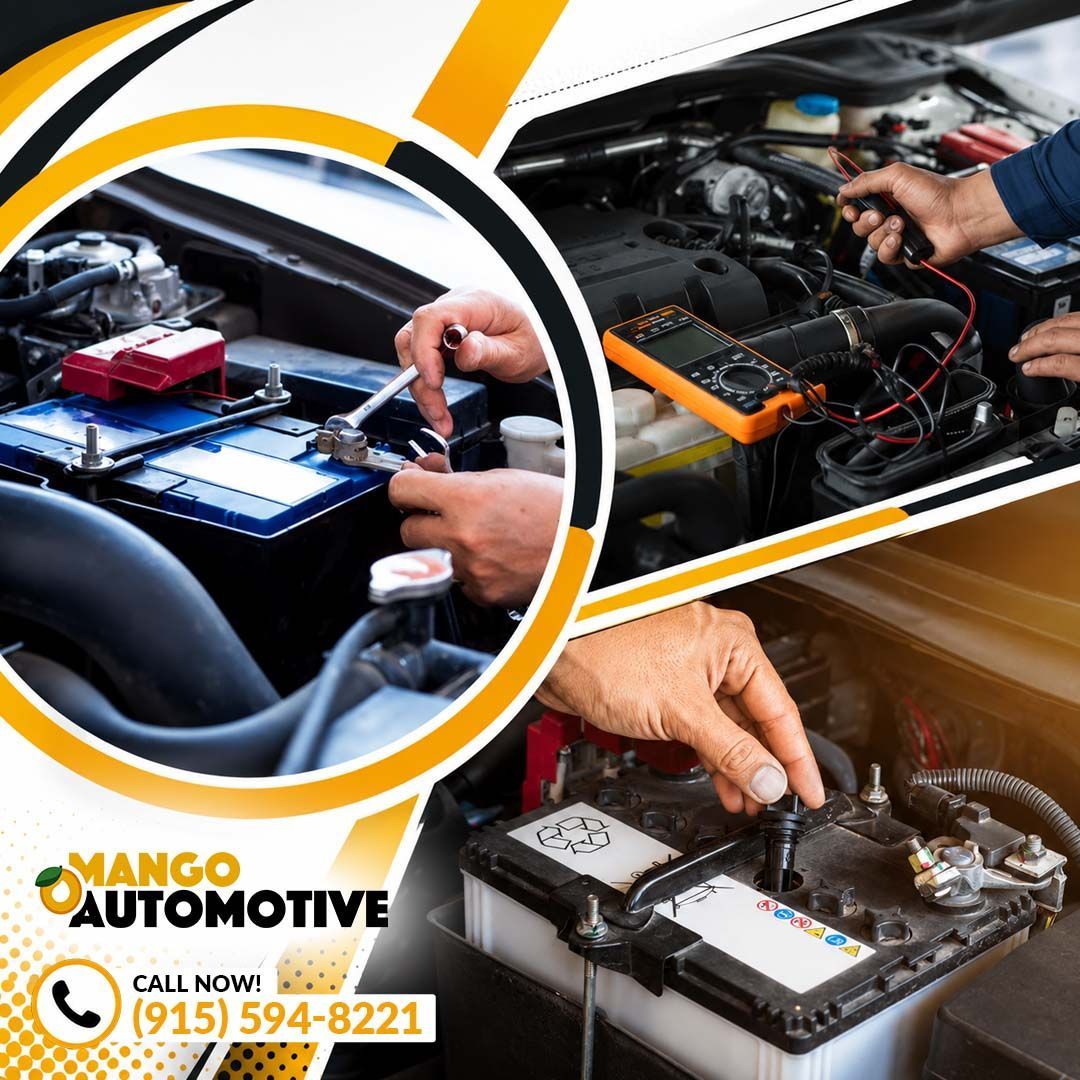
Multimeters measure voltage, resistance, and electrical continuity across circuits. These are used when diagnosing faults in starting systems, charging systems, or individual sensors.
Smoke machines pressurize intake and exhaust systems with inert smoke to locate vacuum leaks and boost leaks in turbocharged engines. A small leak in an intake hose can cause a rough idle and fault codes that appear unrelated to the actual source.
Manufacturer-level software accesses brand-specific control modules for programming, calibration, and system resets that generic scan tools cannot perform. For example, replacing a throttle body requires the new unit to be programmed to the vehicle's ECM before it will operate correctly.
Hybrid and Electric Vehicle Service
Hybrid and electric vehicles introduce systems that differ from gasoline-powered vehicles in meaningful ways. High-voltage battery packs, electric drive motors, inverters, and regenerative braking systems operate at 400 to 800 volts and require specific safety protocols before any service begins.
Regenerative braking is a system that recovers energy during deceleration and stores it back into the battery pack. Brake service on hybrid vehicles requires recalibration of this system alongside traditional hydraulic brake inspection. That process differs from a standard brake job and requires specific training and equipment to complete correctly.
Role of Certification in Verified Technician Competency
Formal certification is how drivers verify that the technician working on their vehicle has met a defined standard of knowledge and hands-on experience. Without it, there is no independent measure of a technician's actual competency beyond the shop's own claims.
Certification also sets a baseline for ongoing development. A certified mechanic is not simply someone who passed a test once. The credentialing process requires demonstrated experience, and renewal cycles mean that certified technicians are continuously evaluated as the industry changes.
ASE Certification and What It Requires
In the automotive industry, ASE (Automotive Service Excellence) certification is the recognized standard. Administered by the National Institute for Automotive Service Excellence, it requires technicians to pass written exams and demonstrate at least two years of hands-on experience in their area of focus.
Credentials must be renewed on a scheduled cycle, which keeps certified technicians current as vehicle technology evolves. ASE-certified mechanics who earn credentials across all eight core repair categories hold the designation of ASE Master Technician, the highest level of verified competency in the field.
Training Beyond Initial Certification
Certification is a starting point, not a finish line. Vehicle systems change continuously, and the diagnostic protocols and electronic architectures used in newer models often differ from those in vehicles built just a few years earlier.
ASE-certified mechanics at Mango Automotive complete regular training updates to stay current across engine design changes, emissions system updates, safety system calibration, and EV service procedures. This ongoing commitment allows our team to service both gasoline-powered and alternative-fuel vehicles with equal accuracy.
Hands-On Knowledge and Modern Diagnostics at Work
A reliable mechanic shop near you should follow a process that combines observation, physical inspection, and diagnostic data in sequence. The process starts with a conversation. Understanding what the driver has experienced, including any sounds, warning indicators, or changes in how the vehicle handles, guides the inspection before any tool is connected.
Physical inspection follows. A technician reviews visible components, checks fluid conditions, and looks for wear patterns or damage that may not generate a fault code. Diagnostic scanning then adds precision. Live data from the vehicle's control modules is reviewed and compared against manufacturer specifications to confirm findings or surface additional concerns.
These examples show how mechanical knowledge and diagnostic technology work together rather than independently.
Brake noise without a warning light: A driver reports a grinding sound during braking. No warning light has appeared, and no fault codes are stored. Physical inspection reveals a worn brake pad wear indicator making contact with the rotor. The scanner alone would not have found it.
A check engine light with a misleading code: A fault code points to an oxygen sensor. Rather than replacing the sensor immediately, the technician reviews fuel trim data and physically inspects the intake system. A cracked hose is causing a vacuum leak that triggered the sensor reading. Replacing the hose clears the fault.
Transmission hesitation without a code: A driver reports hesitation when the transmission shifts. No codes are stored. Physical inspection and fluid analysis reveal degraded fluid well ahead of the service interval. A fluid service restores normal shift behavior without a component replacement.
These examples show that the right approach depends on the situation. Some faults require diagnostic data, others require physical inspection, and many require both. Relying on one method alone risks missing the actual cause.
What to Look for When Choosing a Repair Shop
A reliable shop should display technician certifications, use professional diagnostic equipment, and provide clear written estimates before any work begins. When evaluating a mechanic shop near you, look for:
Visible ASE credentials displayed in the shop. Reputable facilities discuss technician qualifications openly and do not hesitate when asked.
Professional-grade equipment on site, including manufacturer-level scan tools, alignment racks, and specialized diagnostic tools. The presence of this equipment reflects what the shop is actually capable of servicing.
Clear, itemized written estimates that detail parts and labor before work begins. No additional repairs should be started without the customer's approval.
Documented warranty coverage on both parts and labor. A shop that stands behind its work provides this in writing.
Consistent reviews across various platforms reflect how a shop performs and communicates over time.
Mango Automotive: A Mechanic Shop Built Around What Matters
As a woman-owned auto repair shop serving Albuquerque since 2021, Mango Automotive has earned its reputation by holding both its mechanics and its service standards to a higher bar.
Certified Technicians and Professional-Grade Equipment
Our ASE-certified mechanics are trained to handle both the hands-on mechanical work and the diagnostic side of modern vehicle repair. We follow manufacturer-specified procedures and use professional-grade equipment on every job, regardless of the vehicle type or complexity of the repair.
Our mechanics in Downtown Albuquerque bring the same standard of care to every vehicle that comes through our doors, whether it is a routine maintenance visit or a complex diagnostic repair.
Warranty Coverage That Reflects Our Standards
Every repair completed at our locations is backed by a 60-month/60,000-mile warranty. This includes 36 months/36,000 miles of nationwide coverage plus an additional 24 months/24,000 miles at our Mango Automotive locations. Exclusions apply, so ask our team for complete details.
Clear Estimates Before Any Work Begins
Before any repair starts, we provide a clear, itemized estimate that details the work required and what it involves. No additional repairs will be started without your approval. Our goal is to make sure you have the full picture before any decision is made, so there are no surprises when the job is done.
What Our Customers Say
The experience we deliver is reflected in the feedback we receive from drivers throughout Albuquerque.
"I recently had a great experience with Mango Automotive and couldn't be more impressed with their service. The team was incredibly helpful. Their professionalism, honesty, and quick turnaround truly set them apart from other shops I've visited." -
Joshua Cheese.
"This shop went above and beyond to fix an issue that another shop had done that almost rendered my truck useless. Mike and his team did everything they could to make things right, and I'm telling everyone I know to give this shop a chance. You should too!" -
Allegra Howell.
Experiences like these reflect what we work toward on every job. Straightforward communication, honest service, and repairs done to a standard our customers can rely on long after they leave our shop.
Your Trusted Mechanics in Downtown Albuquerque Are Ready to Help
When your vehicle needs attention, our team is here to help. From routine maintenance to complex diagnostic repairs, Mango Automotive brings verified technical skill and professional-grade tools to every job. Call us at
(505) 764-8698 to schedule your service. We serve drivers throughout Albuquerque and nearby areas.