Sensor Failures and Vehicle Performance Explained by Downtown Albuquerque Auto Shop
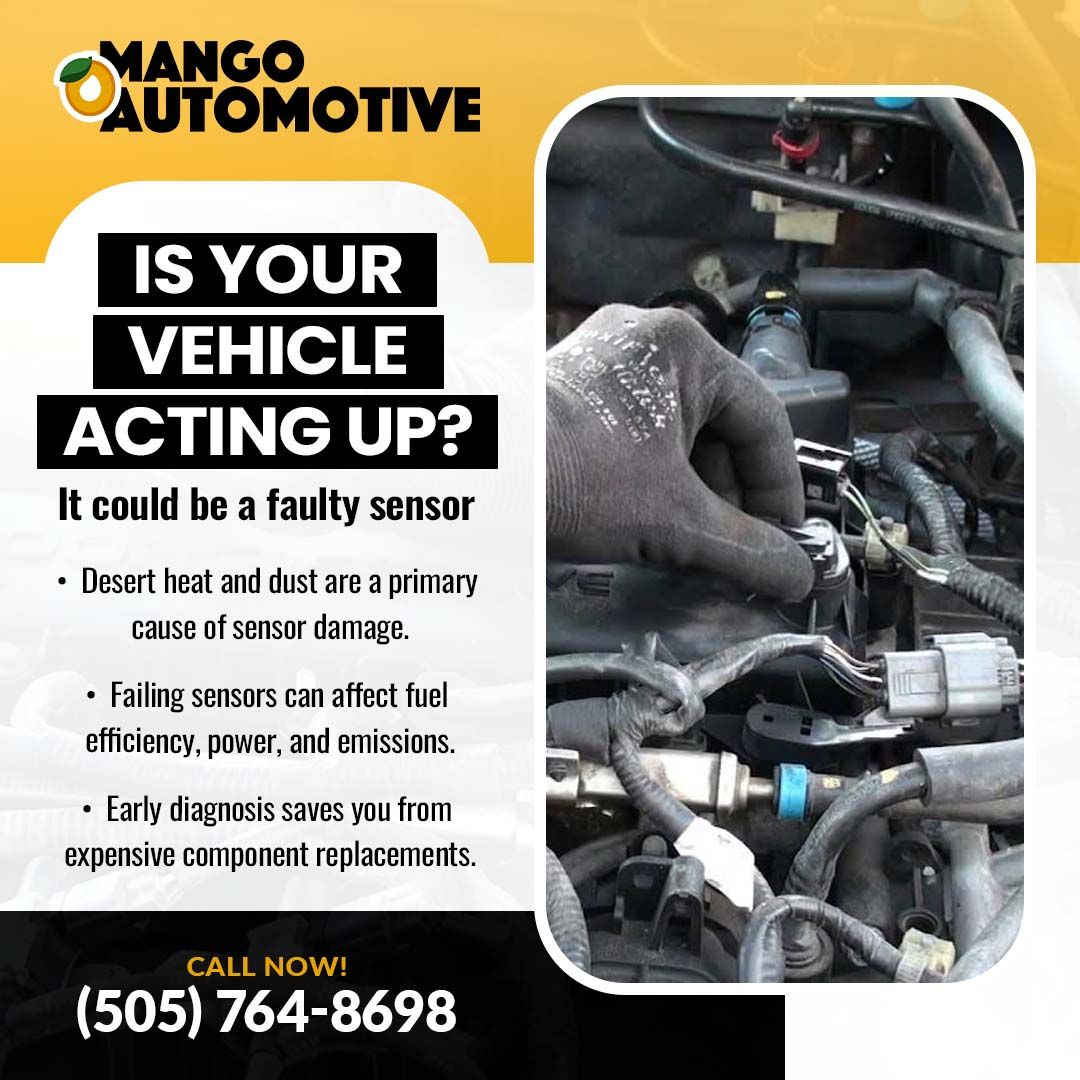
Modern vehicles depend on sensors to monitor engine performance, emissions, and mechanical systems. When sensors fail, your vehicle experiences reduced fuel economy, increased emissions, engine misfires, and potential damage to expensive components. Sensor malfunctions trigger warning lights and create drivability issues that worsen without repair. Your vehicle contains dozens of sensors that continuously measure temperature, pressure, airflow, and position. The Engine Control Module (ECM), your vehicle's main computer, uses sensor data to adjust fuel delivery, ignition timing, and emission controls. A single failed sensor disrupts this network and causes performance problems across multiple systems.
Desert conditions in Downtown Albuquerque stress vehicle sensors beyond normal wear. High temperatures accelerate sensor degradation, while dust infiltration contaminates sensitive components. At
Mango Automotive (Downtown), we understand how sensors affect vehicle operation and help you recognize problems early to avoid expensive repairs. Our
auto repair shop provides diagnostic services using advanced scanning equipment that identifies sensor failures before they damage other components.
Types of Vehicle Sensors and Their Functions
Vehicle sensors fall into categories based on the systems they monitor. Each sensor type serves specific functions within the engine management system.
Oxygen Sensors
Oxygen sensors monitor oxygen levels in exhaust gases. The engine uses this data to adjust the fuel mixture for proper combustion. These sensors are mounted before and after the catalytic converter in the exhaust system.
The upstream oxygen sensor, positioned before the catalytic converter, measures oxygen content in exhaust gases leaving the engine. This data allows the ECM to adjust fuel injection for maximum efficiency. The downstream sensor monitors catalytic converter performance and tracks emission control effectiveness.
Most oxygen sensors fail between 60,000 and 100,000 miles due to thermal stress, chemical contamination, and internal heater degradation. Failed oxygen sensors prevent proper fuel mixture control and reduce engine efficiency.
Mass Airflow Sensors
Mass airflow sensors (MAF) measure how much air enters your engine. The ECM uses this measurement to determine the right amount of fuel to inject.
The MAF sensor works by heating a small wire element. As air flows past this wire, it cools down. The sensor tracks how much electrical power is needed to keep the wire hot, which changes based on airflow. When oil residue or dust builds up on this wire, it can't measure airflow correctly. This leads to poor fuel delivery and engine performance problems.
Dirty air filters are the main cause of MAF sensor contamination. When your air filter gets clogged, small particles sneak past and stick to the sensor element. These particles create inaccurate readings that throw off your fuel system. Replacing the air filter on schedule protects the MAF sensor and keeps your engine running properly.
Throttle Position Sensors
Throttle position sensors (TPS) monitor how wide the throttle valve opens in response to accelerator pedal input. This information tells the ECM how much power the driver demands.
The TPS attaches to your throttle body and tracks valve position by measuring electrical resistance. When you press the accelerator, the throttle valve opens wider and the resistance changes. The ECM reads these changes and responds by delivering more fuel and adjusting spark timing to give the power you need.
When the TPS fails, you'll notice the vehicle hesitating when you accelerate. Your engine may idle roughly or inconsistently, and your fuel mileage will drop. Carbon deposits that build up on the throttle body can interfere with the TPS by making the valve stick or move unevenly.
Coolant Temperature Sensors
Coolant temperature sensors monitor engine operating temperature. The ECM modifies the fuel mixture based on whether the engine runs cold or hot.
Cold engines require richer fuel mixtures for smooth operation. The temperature sensor signals the ECM to increase fuel delivery during warm-up. As the engine reaches operating temperature, the sensor data prompts leaner fuel mixtures for better economy and lower emissions.
Failed temperature sensors cause several problems. An incorrect cold reading keeps the engine running rich, wasting fuel and contaminating spark plugs. False hot readings create lean conditions that increase combustion temperatures and risk engine damage.
Position Sensors
Camshaft and crankshaft position sensors track engine timing and piston location. These sensors determine when to fire spark plugs and inject fuel.
The crankshaft position sensor monitors the speed and position of the rotating crankshaft. This information helps the ECM calculate engine RPM and piston location. The camshaft position sensor identifies valve timing and cylinder position.
Without accurate position sensor data, the ECM cannot time ignition and fuel injection properly. Failed position sensors often prevent engine starting or cause sudden stalling during operation.
Each sensor type plays a vital role in maintaining engine performance and fuel efficiency. Visiting an auto repair shop for a professional diagnosis prevents minor issues from becoming major repairs.
Recognizing Sensor Failure Symptoms
Failing sensors create recognizable patterns that differ from mechanical component problems. Multiple symptoms may appear simultaneously as sensor accuracy degrades.
Dashboard Warning Lights
The check engine light illuminates when the ECM detects sensor malfunctions. Modern diagnostic systems store trouble codes that identify specific sensor failures.
Warning lights activate when sensor readings fall outside normal parameters. The ECM compares sensor data against programmed values and triggers the light when discrepancies occur. Some sensor failures trigger multiple warning lights as related systems respond to incorrect data.
Flashing check engine lights indicate severe problems requiring immediate attention from an auto repair shop. This pattern suggests engine misfires that can damage the catalytic converter. Steady lights signal less urgent issues but still require professional diagnosis.
Engine Performance Changes
Sensor failures affect engine power delivery and throttle response. You may notice hesitation during acceleration, rough idle, or unexpected stalling.
A failing MAF sensor causes the engine to stumble during acceleration because the ECM receives incorrect airflow data. The computer calculates fuel delivery based on false readings, creating lean or rich conditions that reduce power output.
Oxygen sensor deterioration produces similar symptoms. As the sensor response slows, the ECM makes delayed fuel adjustments that cause surging at steady speeds. The engine may run smoothly at idle, but hesitate under load.
Fuel Economy Reduction
Faulty sensors waste fuel by preventing proper mixture control. Drivers often notice increased fuel consumption before other symptoms appear. Tracking fuel consumption helps identify developing sensor problems. A sudden drop in miles per gallon without changes in driving habits suggests sensor issues requiring diagnosis at a car repair shop near you.
Starting Difficulties
Position sensor failures often prevent engine starting. The ECM requires accurate timing data to fire spark plugs and inject fuel.
Intermittent starting problems suggest crankshaft or camshaft sensor deterioration. The engine may crank normally but fail to start, or may start after extended cranking. These symptoms worsen as the sensor condition degrades.
Temperature affects sensor reliability. Some sensors fail when cold and function normally after warming. Others work during cold starts but fail when hot. These patterns help technicians at car repair shops near you diagnose intermittent sensor problems.
How Sensor Failures Damage Other Components
Ignoring sensor problems creates cascading failures throughout vehicle systems. Small auto repair needs grow into major component replacements when sensor issues remain unaddressed.
Catalytic Converter Damage
Failed oxygen sensors destroy catalytic converters through excessive heat and contamination. Converters represent one of the most expensive emission control components to replace.
- Rich fuel mixtures from faulty sensors deliver unburned fuel to the catalytic converter. This fuel ignites inside the converter, generating temperatures that melt internal substrates. The converter loses its ability to reduce emissions and often breaks apart internally.
- Lean mixtures increase combustion chamber temperatures, which transfer to the exhaust system. Sustained high temperatures damage converter materials and reduce efficiency over time.
Spark Plug Fouling
Incorrect fuel mixtures cause carbon buildup on spark plugs. Rich conditions from sensor failures coat plug electrodes with carbon deposits that prevent proper ignition.
Fouled spark plugs create misfires that trigger the check engine light. The ECM detects cylinder misfires through crankshaft position sensor data. Multiple misfires indicate widespread problems requiring immediate attention.
Replacing spark plugs without addressing sensor problems provides temporary relief. The underlying sensor failure continues, causing rich conditions that foul new plugs within weeks.
Fuel System Contamination
Sensor malfunctions increase fuel system deposits. Incomplete combustion from incorrect mixtures creates carbon particles that contaminate fuel injectors.
Clogged injectors disrupt fuel spray patterns and create additional performance problems. These conditions compound sensor-related issues and make diagnosis more complex. Regular maintenance prevents deposit accumulation through fuel system cleaning services.
Sensor malfunctions never affect just one component. When left unaddressed, they create widespread damage that compounds repair needs and costs. Professional sensor diagnostics identify the root cause before secondary damage occurs. Mango Automotive operates as a trusted downtown Albuquerque auto shop with advanced equipment that detects sensor failures early, protecting your catalytic converter, spark plugs, and fuel system from preventable damage.
Climate Effects on Sensor Longevity
Albuquerque's desert environment affects sensor lifespan through heat exposure and dust contamination. Understanding these factors helps vehicle owners anticipate maintenance needs.
Temperature Stress
Summer temperatures exceeding 100°F accelerate sensor degradation. Heat breaks down sensor materials and affects electronic components.
Oxygen sensors operate in extreme temperatures within the exhaust system. Additional ambient heat increases thermal stress and shortens sensor life. Vehicles in desert regions typically require oxygen sensor replacement sooner than identical vehicles in moderate climates.
Temperature cycling between hot days and cool nights causes expansion and contraction that stresses sensor housings. Repeated cycles create cracks in sensor bodies and compromise internal sealing. Moisture enters damaged sensors and corrodes internal electronics.
Dust and Contamination
Airborne dust infiltrates engine systems and contaminates sensitive sensors. MAF sensors suffer the most damage from particle exposure.
Desert dust particles smaller than the air filter specifications pass through the filtration media and coat sensor elements. Oil-coated air filters used for dusty conditions sometimes shed oil that contaminates MAF sensors. This creates a balance between filtration efficiency and sensor protection. Regular air filter inspection prevents dust-related sensor damage.
Our technicians at Mango Automotive understand the unique demands placed on vehicle sensors in desert environments. We offer
auto repair in Downtown that includes sensor diagnostics tailored to the heat stress and dust contamination typical of our region.
Preventive Maintenance for Sensor Systems
Scheduled maintenance extends sensor life and prevents performance problems. Simple procedures protect expensive components and maintain vehicle reliability.
Regular Diagnostic Scans
Annual diagnostic scans detect developing sensor problems before they cause driveability issues. Many sensor failures begin with gradual performance degradation rather than sudden failure.
Tracking how sensor readings change over multiple visits shows when sensors are starting to fail. Oxygen sensors showing slower response times indicate approaching failure even without trouble codes. Early detection allows scheduled replacement during convenient service appointments rather than emergency repairs. Auto repair technicians review sensor performance history and recommend replacement based on actual condition rather than mileage alone.
Air Filter Maintenance
Clean air filters protect MAF sensors from contamination. Replacing the air filter is a small expense that prevents costly sensor damage.
Standard paper filters require regular replacement under normal conditions. Desert driving conditions demand more frequent changes due to increased dust exposure. Visual inspection provides the most accurate indicator of when the filter needs replacement, regardless of mileage.
Reusable performance filters require regular cleaning and oiling. Excessive oil application during maintenance contaminates MAF sensors. Following the manufacturer's instructions for filter care prevents sensor damage.
Fuel System Quality
Quality fuel reduces deposits that affect oxygen sensors and other components. Detergent additives in premium fuels clean fuel system components and reduce carbon buildup. Top-tier gasoline brands contain higher detergent levels that prevent deposit formation. Consistent use of quality fuel extends sensor life and maintains engine performance throughout the vehicle's lifespan.
Professional Sensor Repair Services
Sensor diagnosis and replacement require specialized equipment and training. Professional services provide accurate repairs that restore vehicle performance.
Diagnostic Equipment Capabilities
Advanced scanning tools monitor multiple sensors simultaneously during test drives. This real-time data reveals intermittent problems that static testing misses.
Mango Automotive uses professional-grade diagnostic equipment that exceeds basic code reader capabilities. Our systems graph sensor responses, compare values across multiple sensors, and identify problems through pattern recognition. This technology reduces diagnostic time and prevents unnecessary part replacement.
Sensor testing under actual operating conditions provides an accurate diagnosis. Shop testing cannot replicate the heat, vibration, and load conditions that trigger intermittent sensor failures. Test drive monitoring captures sensor behavior during problem episodes.
Repair Procedures
Sensor replacement involves more than installing new parts. Proper procedures include connector cleaning, wiring inspection, and system verification.
Auto repair technicians clean connector pins and apply dielectric grease to prevent corrosion. Wiring harness inspection identifies damage requiring repair before sensor installation. These steps prevent repeat failures from underlying electrical problems.
After sensor installation, the ECM requires specific procedures to recognize new components. Some vehicles need sensor adaptation through the diagnostic scanner. Others require driving cycles that allow the computer to learn new sensor characteristics.
Certification and Training
ASE-certified technicians demonstrate proven diagnostic skills. The National Institute for Automotive Service Excellence tests technicians on electrical systems, engine performance, and diagnostic procedures.
Certification indicates minimum competency levels and ongoing training. Technology changes require continuous education to service modern vehicle systems. A car repair shop near you that invests in technician training provides better diagnostic accuracy and repair quality.
Professional Sensor Service at Mango Automotive
Sensor Diagnostics and Repair
Mango Automotive provides sensor diagnostics and repair using professional-grade equipment that exceeds basic code reader capabilities. Our certified technicians understand how desert conditions affect sensor reliability and adjust diagnostic procedures accordingly. We explain sensor problems in clear terms and provide written estimates detailing necessary repairs.
Our services include comprehensive testing of all vehicle sensors, including oxygen sensors, MAF sensors, throttle position sensors, coolant temperature sensors, and position sensors. We perform visual inspections of wiring harnesses and connectors to identify damage that causes false readings. After sensor replacement, our technicians complete proper programming and adaptation procedures to integrate new components with your vehicle's computer system.
Quality Parts and Warranty Protection
We stock quality replacement sensors for most vehicle makes and models, reducing wait times for auto repair in Downtown. Our warranty coverage protects repairs for 60 months or 60,000 miles (36 months/36,000 miles nationwide plus 24 months/24,000 miles at Mango Automotive). This protection gives you peace of mind knowing that repairs are covered if problems develop.
Convenient Service Experience
Our
Downtown Albuquerque auto shop provides comfortable waiting areas with refreshments and shuttle service within three miles for customers who prefer to wait during service. We also offer flexible appointment scheduling to accommodate your work schedule and minimize disruption to your day.

Schedule Sensor Diagnostics in Downtown Albuquerque
Sensor problems rarely improve without professional attention. Ignoring warning lights and performance changes allows minor issues to become major repairs that affect multiple vehicle systems.
We combine advanced diagnostic technology with experienced technicians who understand local driving conditions. We provide accurate sensor diagnosis and quality auto repair in Downtown that restores your vehicle's performance and fuel efficiency.
Contact Mango Automotive at
(505) 764-8698
to schedule sensor diagnostics at our Central Avenue location. Experience the difference that professional automotive service makes in vehicle reliability and your satisfaction.