Eagle Ranch Auto Repair: Signs Your Heater or Defroster Needs Service Before Winter
Winter temperatures in Albuquerque can drop to the low 20s, making a working heater and defroster necessary for safe driving. A failing heater or defroster creates visibility problems and uncomfortable cabin conditions that affect driver focus and reaction time. Cold air blowing from vents, foggy windows that won't clear, or weak airflow indicate problems requiring professional attention. Addressing these issues before winter temperatures arrive prevents being stranded in freezing conditions or driving with compromised visibility.
As a trusted
Eagle Ranch auto repair facility,
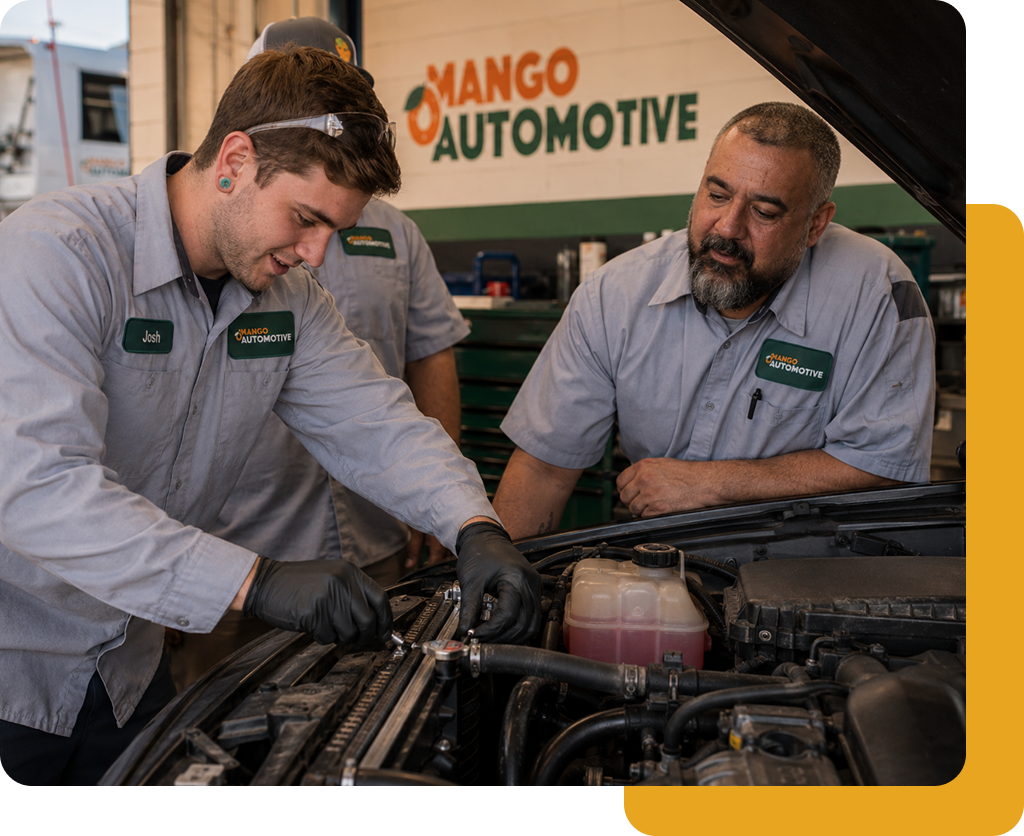
Mango Automotive understands that winter vehicle preparation requires attention. In this guide, we cover the warning signs that indicate your vehicle's climate control system needs service, what causes these problems, and when to schedule repairs.

Your Car's Climate Control System Explained
The heating and defroster systems in modern vehicles work together as part of a larger climate control network. Many drivers don't realize these systems share components and rely on the same underlying mechanical processes to function properly.
The heater draws warmth from the engine's cooling system. Hot coolant circulates through a small radiator-like component called the heater core, located behind the dashboard. A blower motor pushes air across this heated core, and the warm air flows through vents into the cabin. The defroster uses this same warm air but directs it specifically toward the windshield and side windows.
The defroster system adds one component to this basic heating process. When you activate defrost mode, the vehicle automatically engages the air conditioning compressor. This removes moisture from the air before heating it. Dry, warm air works far more effectively at clearing fog and melting frost than humid air at the same temperature.
Regular maintenance prevents most heating system failures. However, certain warning signs appear before complete breakdowns occur. Recognizing these early indicators allows you to schedule service at
auto repair shops before emergency situations develop.
Cold Air From Vents During Operation
The heater should blow warm air within 10 to 15 minutes after starting the engine. Cold air continuing beyond this timeframe signals a problem within the heating system that requires diagnosis.
Low Coolant Levels and Leaks
Low coolant levels rank as the most frequent cause of cold air from heater vents. The heating system relies on hot coolant (also called antifreeze) flowing through the heater core, which transfers heat to air blown into the cabin. When coolant levels drop below the minimum mark, insufficient fluid reaches the heater core to warm the air properly.
Coolant doesn't evaporate under normal conditions. Low levels indicate a leak somewhere in the cooling system. Radiator hoses crack from age and temperature cycling. Water pump seals wear over time. The heater core develops pinhole leaks. The radiator corrodes internally.
Thermostat Malfunctions
A stuck thermostat also causes cold air problems. This temperature-sensitive valve opens and closes to regulate coolant flow between the engine and radiator. When stuck in the open position, coolant circulates continuously through the entire cooling system before reaching proper operating temperature.
Heater Core Blockages
Heater core blockages prevent proper coolant circulation through the heating system. Rust, sediment, and scale deposits accumulate inside the narrow tubes over the years of service. These deposits restrict flow, reducing heat transfer to cabin air.
Weak Airflow From Dashboard Vents
Reduced air pressure from vents indicates either a clogged cabin air filter or a failing blower motor. Both conditions prevent adequate heated air from reaching the passenger compartment.
Clogged Cabin Air Filters
The cabin air filter traps dust, pollen, and debris before air enters the HVAC (Heating, Ventilation, and Air Conditioning) system. In Albuquerque's high desert climate, airborne dust and particulates accumulate rapidly. A filter saturated with contaminants restricts airflow, forcing the blower motor to work harder while delivering less air volume to vents.
Vehicle manufacturers recommend cabin filter replacement every 12,000 to 15,000 miles under normal conditions. Albuquerque drivers who frequently travel unpaved roads or during windstorms may require more frequent replacement intervals.
Failing Blower Motor
The blower motor pushes air through the HVAC system and into the cabin. Internal bearings wear from continuous operation, causing the motor to slow or fail completely. Early warning signs include:
Unusual squealing or grinding sounds when the heater operates- Intermittent operation that starts and stops randomly
- Only functioning on the highest fan speed setting
Defroster Fails to Clear Windshield
A functioning defroster should clear fog and frost from the windshield within 5 to 10 minutes. Persistent fogging or inadequate defrosting indicates system problems requiring repair.
Front Defroster Operation Issues
Front windshield defrosters work by directing warm, dry air across the glass surface. The system activates the air conditioning compressor automatically when defroster mode is selected. This removes moisture from the air before heating it, creating dry airflow that prevents condensation and melts frost efficiently.
When the A/C compressor malfunctions, air retains moisture despite being heated. Humid air hitting cold glass creates condensation rather than clearing it. Professional auto repair technicians can diagnose compressor issues that affect both cooling performance and winter defroster function.
Common compressor problems include:
Worn internal components that reduce compression- Refrigerant leaks that prevent proper operation
- Electrical clutch failure that stops compressor engagement
Safety Implications of Defroster Failure
Obscured visibility contributes to winter accidents. Driving with a non-functional defroster violates safety standards in many jurisdictions and creates hazardous conditions for all road users.
Rear Defroster Problems
Rear window defrosters use thin electrical heating elements embedded in or adhered to the glass. These grid lines warm the window surface directly, melting ice and evaporating condensation. Damage to these elements from cargo scraping the glass or aggressive cleaning interrupts electrical flow.
Windows Fog Repeatedly While Driving
Excessive interior fogging during normal driving conditions signals problems with the HVAC system's moisture removal capability or coolant leaks. The issue becomes particularly noticeable during temperature changes or rainy weather.
A/C System Moisture Removal Failure
Air conditioning systems remove moisture from cabin air as part of their normal function. When the A/C compressor or associated components malfunction, humidity levels inside the vehicle rise. This moisture condenses on cooler glass surfaces, creating persistent fog that defrosters struggle to clear.
Coolant Leak Indicators
A sweet smell accompanying window fogging indicates coolant leaking into the cabin. Leaks in the heater core release coolant vapor that condenses on windows, creating fog with a distinctive odor. This condition also causes damp or wet carpeting on the passenger side floorboard, oily film on the inside of windows, and the coolant level dropping without visible external leaks.
Coolant contains ethylene glycol, which produces a sweet smell but is toxic to humans and animals. Breathing coolant vapors in an enclosed vehicle cabin presents health risks, particularly during longer drives.
Strange Odors From Heating System
Musty or burning smells from vents indicate different problems requiring specific repairs. Identifying the odor type helps diagnose the underlying issue.
Musty and Moldy Smells
A musty or moldy smell suggests bacterial and fungal growth inside the evaporator core or air ducts. The evaporator core remains damp after air conditioning use. In humid climates or during monsoon season, this moisture creates an environment where mold and mildew thrive.
Professional cleaning treatments at auto repair shops eliminate mold and restore air quality. The process involves applying antibacterial cleaners through the air intake system while running the blower motor to distribute the solution throughout the ductwork.
Burning Odor Sources
Burning odors indicate several possible problems. Electrical wiring overheating from shorts or damaged insulation produces an acrid smell. Blower motor bearings seizing from wear create a burning rubber odor. Foreign objects like leaves or paper touching heating elements smell like burning paper or plastic.
A burning smell should never be ignored. Stop using the heating system immediately and have the vehicle inspected by qualified automotive repair technicians.
Unusual Noises When Operating Heater
Grinding, squealing, or clicking sounds from the dashboard during heater operation point to mechanical or electrical component failures. Different sound types indicate specific problems.
Squealing and Grinding Sounds
Squealing or grinding noises typically originate from the blower motor. Worn bearings inside the motor create friction that produces these sounds. The noise often changes pitch or volume when adjusting fan speed settings.
Clicking Noises
Clicking sounds suggest electrical relay problems or blend door actuator failures. The blend door actuator controls temperature by adjusting blend doors that mix hot and cold air. When actuator motors fail, they produce repetitive clicking as they attempt to move stuck doors.
Hissing Sounds
Hissing sounds indicate refrigerant leaks in the air conditioning portion of the climate control system. High-pressure refrigerant escaping through cracks or loose connections creates a hissing noise near the dashboard or under the hood.
Service Timing Before Winter Conditions
Schedule heating system inspection and service in early fall at an auto repair shop near you. Early scheduling provides at least one month of preparation before regular freezing temperatures arrive.
Pre-Winter Inspection Components
Professional technicians at Eagle Ranch auto repair facilities, like Mango Automotive, perform several checks during pre-winter service appointments. These include:
Coolant level verification to catch low fluid before heating problems occur- Pressure testing to identify small leaks in the cooling system
- Thermostat operation checks to confirm proper temperature regulation
- Heater core performance evaluation and blockage inspection
- Blower motor function testing at all speed settings
- Cabin air filter inspection for contamination and airflow restriction
- A/C compressor testing (essential for defroster operation)
- Refrigerant leak detection and electrical system inspection
Scheduling heating system repair appointments during fall months allows auto repair technicians to address refrigerant leaks, compressor issues, and electrical problems before winter driving demands full defroster performance.
Maintenance Intervals
Vehicles older than five years or with more than 75,000 miles benefit most from thorough pre-winter inspections. Coolant flush and replacement follow manufacturer-recommended intervals, typically every 30,000 to 50,000 miles. Fresh coolant protects the cooling system from freezing and maintains proper heat transfer properties.
Similarly, cabin air filters also require replacement every 12,000 to 15,000 miles under normal driving conditions. Albuquerque's dusty environment shortens this interval for many drivers.

Mango Automotive: Expert Heating System Service in Eagle Ranch, Albuquerque
We provide specialized automotive repair services at our Eagle Ranch location and throughout Albuquerque. Our technicians receive ongoing training on heating and cooling system diagnostics and repair procedures for all vehicle makes and models.
Our Service Standards
We've built our reputation on three core principles that define quality auto repair:
Diligent - Getting repairs done right the first time through thorough diagnostics and proper procedures.- Fast - Respecting your schedule by completing work efficiently without sacrificing quality.
- Reliable - Providing lasting repairs you can count on throughout the winter season and beyond.
This commitment to excellence has made us a trusted
Eagle Ranch auto repair choice for heating and climate control services.
Facility Amenities and Scheduling
Our facility includes comfortable waiting areas with refreshments, allowing you to relax while we service your vehicle. For those with busy schedules, we offer service appointment times that work around your day rather than forcing you to adjust your entire schedule for automotive repair needs.
Winter Readiness Commitment
Winter driving in Albuquerque requires a fully functional heating system. Cold morning temperatures and the need for clear visibility make heater and defroster maintenance necessary rather than optional. Our technicians at Mango Automotive diagnose heating problems accurately and complete repairs efficiently, getting you back on the road safely.
We provide detailed repair estimates before beginning work. Estimates include parts costs, labor time, and warranty coverage. Our
60-month/60,000-mile warranty covers most heating system repairs, with 36 months/36,000 miles honored nationwide, plus an additional 24 months/24,000 miles at Mango Automotive locations.
Ensure Reliable Heat All Winter Long
Schedule your pre-winter heating system inspection today. Call our Eagle Ranch location at (505) 633-1001. Our automotive repair team will assess your vehicle's climate control system, identify any problems, and provide solutions that keep you comfortable and safe throughout the winter season.