Mango Automotive Explains Role of Coolant for Albuquerque Winters
Coolant protects engines from freezing during Albuquerque's winter months, when temperatures drop to 25°F or below. While the terms antifreeze and coolant are often used interchangeably, antifreeze refers to the concentrated chemical, and coolant is the diluted mixture that circulates through your engine. This fluid mixture prevents ice formation in engine components and maintains proper operating temperatures throughout the year. Albuquerque experiences winter temperatures averaging between 25°F and 47°F from December through February, with occasional cold snaps dropping nighttime lows below 20°F. At 5,312 feet, the city's environment creates specific challenges for vehicle cooling systems that many drivers overlook until problems develop.
Many local drivers assume their vehicles need attention only during summer heat. However, cooling system failures occur year-round, with winter freeze damage accounting for a significant portion of repairs at
Eagle Ranch auto repair facilities. At
Mango Automotive, we help drivers understand how winter conditions affect their vehicles and what steps protect against cold-weather damage. This guide explains coolant protection, the different fluid types available, and maintenance schedules appropriate for our regional climate.
What's Actually in Your Cooling System: Antifreeze vs Coolant
Your vehicle's cooling system relies on a carefully balanced fluid mixture to function properly in all weather conditions. Antifreeze and coolant refer to the same fluid, though the terms emphasize different protective functions.
Antifreeze is the concentrated base chemical, while coolant is the diluted mixture circulating through your engine. The primary ingredient in most formulations is ethylene glycol or propylene glycol, which lowers the freezing point of water when mixed together. This prevents ice crystal formation that would otherwise crack your engine block and radiator components.
The vehicle's cooling system cannot use pure water alone. Water freezes at 32°F, but adding antifreeze changes how the solution behaves in cold temperatures. A proper 50/50 blend of antifreeze and distilled water creates a solution that remains liquid at temperatures well below zero.
Modern coolant formulations also contain corrosion inhibitors and lubricants. These additives protect the metal and rubber components throughout your vehicle's cooling system from chemical breakdown. Different additive packages create the various coolant types available for different vehicle makes and models today.
Three Main Types of Coolant
Knowing your vehicle's specific coolant type prevents mixing errors that lead to system damage.
Traditional Green Coolant
Green coolant has been used in vehicles for decades. This traditional formulation works well in older cars and trucks but needs replacement every two to three years because it breaks down faster than newer types. Most vehicles manufactured before 2001 use green coolant. If you drive an older car or truck, this is likely what's in your cooling system right now.
Extended-Life Orange and Red Coolants
Orange, red, or purple coolants last longer than traditional green varieties. These extended-life formulations can go up to five years or 150,000 miles before needing replacement. General Motors, Volkswagen, and some European manufacturers use these coolants in their vehicles. Your owner's manual will tell you if your car requires this type.
Hybrid Yellow Coolants
Yellow and some orange coolants combine the best features of both traditional and extended-life types. These work well in many Asian and newer American vehicles. Many modern cars use this hybrid formulation because it offers good protection and reasonable service intervals.
Never mix different coolant types without verifying compatibility. Combining incompatible formulations can cause chemical reactions that form deposits. These deposits clog radiator passages and water pump components, leading to overheating.
How Freeze Damage Happens
When water freezes, it expands approximately 9% in volume, generating forces that crack metal and rupture hoses. This expansion creates serious problems throughout your vehicle's cooling system.
Engine blocks contain narrow passages where coolant circulates around cylinders. If water freezes in these channels, the expanding ice has nowhere to go. The resulting pressure can crack engine blocks or cylinder heads, causing damage that requires major auto repairs.
Radiators face similar risks. The thin metal tubes that move coolant become brittle in extreme cold. Frozen coolant expanding inside these tubes splits the radiator, creating leaks that prevent the system from working properly.
Water pumps contain seals that keep coolant from leaking. Freeze damage warps the pump housing, breaking these seals and allowing coolant to escape. A failed water pump prevents circulation, causing rapid overheating once the engine starts.
Why the Right Antifreeze Mixture Matters
A 50/50 mixture of ethylene glycol and water provides the best protection for most driving conditions. This balanced ratio protects against freezing down to approximately -34°F, which works well for Albuquerque winters where temperatures rarely drop below 20°F.
The proper mixture ratio matters more than simply adding extra antifreeze. Too much water leaves the system vulnerable to freeze damage. Too much antifreeze actually reduces the mixture's ability to absorb and transfer heat, potentially causing overheating during operation.
This balance explains why you can't just pour straight antifreeze into your radiator. Pure antifreeze doesn't protect as well as the proper mixture and can actually harm your engine's cooling performance.
Albuquerque's Climate and Your Cooling System
Albuquerque sits at 5,312 feet above sea level, creating conditions that affect cooling system performance differently than lower elevations. The city receives an average of 8 inches of snow annually, with the first snowfall typically arriving around November 30. January represents the coldest month, with nighttime temperatures dropping into the low 20s and daytime highs reaching only the 40s.
Daily Temperature Changes
New Mexico's daily temperature variations create unique challenges. A typical winter day might see a 30°F difference between morning and afternoon temperatures. These rapid changes cause cooling system components to expand and contract repeatedly.
Rubber hoses become brittle in cold weather. When temperatures suddenly rise, the hoses expand while still rigid, creating weak spots that eventually rupture. Upper radiator hoses face the greatest stress because they carry the hottest coolant from the engine to the radiator. Desert environments also introduce dust and debris. Fine particles can enter cooling systems through small gaps, accumulating over time and reducing circulation efficiency.
Signs Your Coolant Needs Attention
Check coolant condition twice yearly, once before summer and again before winter. Visual inspection reveals important information about coolant health and system integrity.
Fresh coolant appears bright and translucent in colors matching its type. As the coolant ages, the color darkens and becomes murky. Brown or rust-colored coolant indicates corrosion inside the system requiring immediate attention.
The coolant reservoir on most vehicles has maximum and minimum level markings. Coolant level should remain between these marks when the engine is cold. Levels consistently dropping below the minimum line point to leaks somewhere in the system.
Temperature Warning Signs
Normal operating temperature for most engines falls between 195°F and 220°F. The temperature gauge on your dashboard should settle near the middle of its range during normal driving and remain steady.
If the gauge climbs higher than normal, the coolant may be breaking down and losing its ability to transfer heat effectively. Temperature readings that fluctuate wildly suggest air pockets in the system or a failing thermostat.
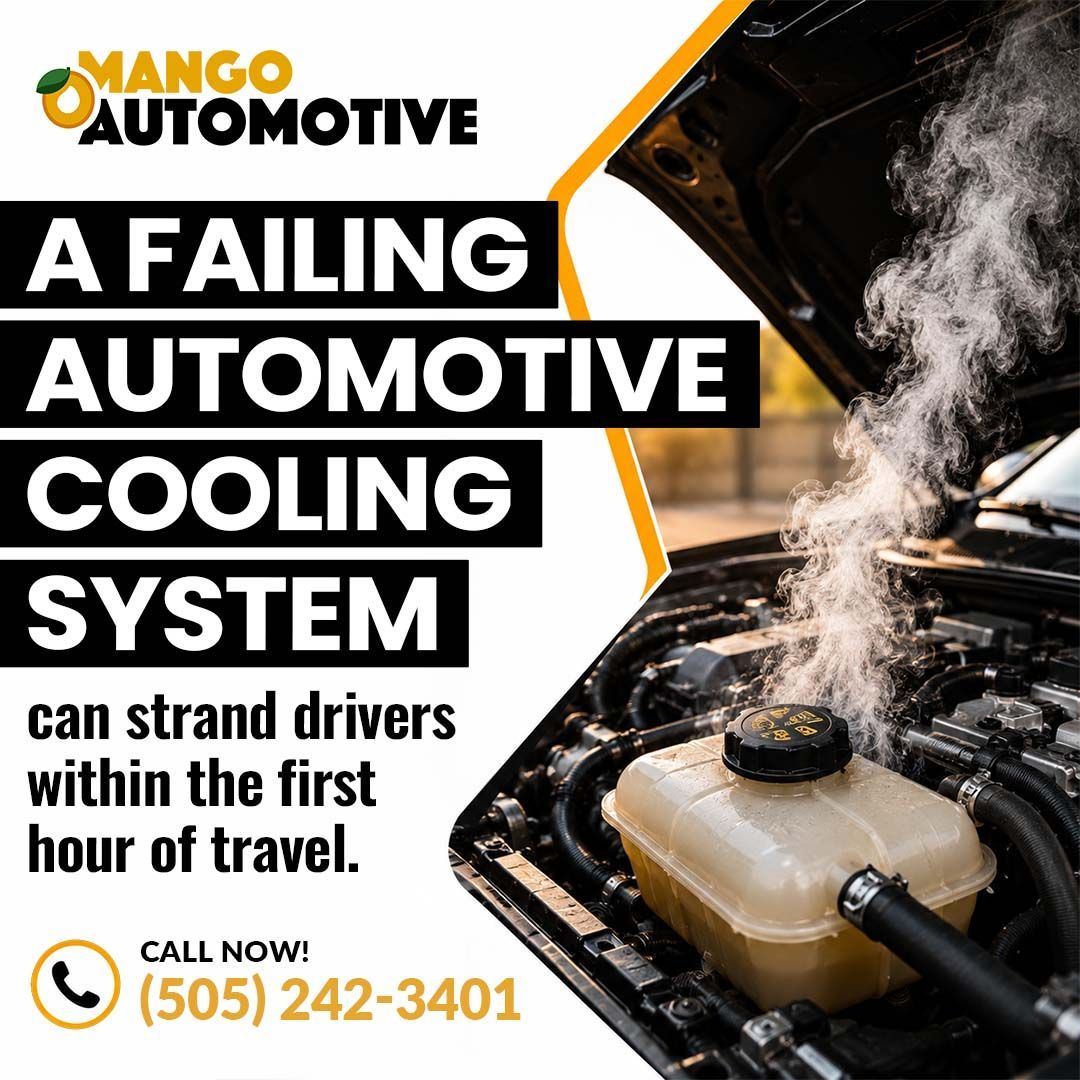
White smoke from the tailpipe, accompanied by a sweet smell, indicates coolant burning in the combustion chambers. This symptom points to serious problems requiring immediate diagnosis by a professional
auto repair shop.
Physical Leak Indicators
Puddles under your vehicle provide obvious evidence of leaks. Coolant appears slightly thicker than water and feels slippery. Green, orange, yellow, or pink puddles under the front of your vehicle indicate cooling system leaks requiring prompt attention.
Crusty white or colored deposits around hose connections, the radiator cap, or water pump show where coolant has been leaking and evaporating. Even small leaks reduce system pressure and allow air to enter, creating circulation problems.
A sweet smell from the engine compartment suggests coolant leaking onto hot engine components, where it evaporates. This odor becomes particularly noticeable after shutting off the engine.
When to Service Your Coolant
Most manufacturers recommend coolant replacement every 30,000 to 50,000 miles or three to five years, depending on the formulation type. However, conditions in Albuquerque may require more frequent changes.
At Mango Automotive, we provide professional fluid replacement services in Albuquerque that include a thorough inspection of all cooling system components during the service appointment. Our auto repair technicians check for leaks, test hose condition, and verify proper system operation before and after service.
Benefits of Complete System Flushing
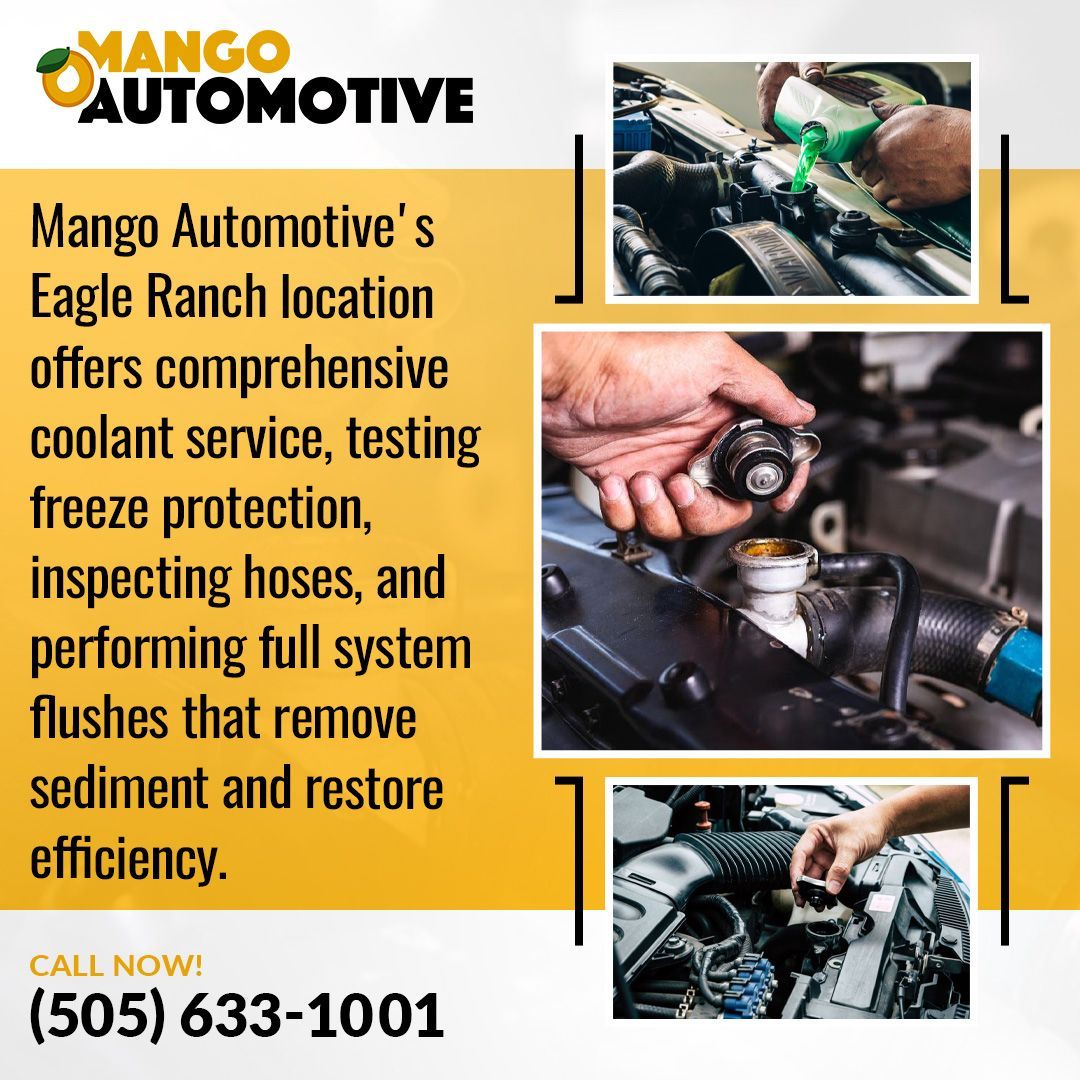
A cooling system flush removes old coolant along with accumulated sediment and scale deposits that simple drain-and-fill service leaves behind. Professional flush equipment circulates cleaning solution through the entire system before refilling with fresh coolant.
This thorough cleaning removes deposits from radiator tubes, water pump passages, and heater core channels. Cleared passages restore proper coolant flow and heat transfer. The process also helps identify leaks that might remain hidden during simple visual inspection.
After flushing, technicians refill the system with the correct coolant type mixed to the proper concentration. They also verify that all air pockets have been removed. Air trapped in the system prevents coolant circulation and causes overheating despite adequate fluid levels.
Quality auto repair shops ensure your cooling system receives the correct coolant type for your specific vehicle make and model. Using the wrong coolant can damage seals and create chemical reactions that harm system components.
Mango Automotive: Professional Cooling System Service
Mango Automotive’s Eagle Ranch auto repair shop provides complete cooling system diagnostics and service for all vehicle makes and models. We understand how Albuquerque's climate affects vehicle performance, and our maintenance schedules account for local driving conditions.
Testing Your Coolant Protection
Simple tools measure freeze point protection and indicate whether coolant concentration remains adequate for winter conditions. Test strips change color when dipped in coolant, indicating both freeze protection and additive condition.
During automotive repair appointments, our technicians also test for acid formation. Fresh coolant maintains a slightly alkaline condition. As coolant ages, it becomes acidic and attacks metal components throughout the system.
Professional service includes pressure testing to identify leaks, coolant condition analysis, and thermostat function verification. These steps reveal problems before they cause breakdowns.
Pressure testing applies controlled pressure to the cooling system while the engine is cold. This process reveals small leaks in hoses, radiator cores, and water pump seals that might not be obvious during visual inspection.
We analyze coolant samples to measure freeze protection and additive condition. These tests show whether your coolant still provides adequate protection or needs replacement. We also inspect for contamination that indicates problems requiring attention.
Complete System Inspection
Our auto repair technicians examine all cooling system components during service appointments.
Radiator hoses - Checked for cracks, soft spots, or bulges that indicate impending failure. We verify radiator cap function and proper pressure rating for your vehicle.
Water pump - Receives special attention because failure causes immediate overheating. We look for coolant leaks, listen for bearing noise, and check for signs of internal damage. Catching water pump problems early allows for scheduled replacement before unexpected failure.
Thermostat - Operation affects both engine warm-up time and running temperature. We test the thermostat function to verify it opens at the correct temperature. A stuck-open thermostat prevents the engine from reaching proper operating temperature, reducing fuel economy and heater output.
Cooling fans - Operation matters for vehicles spending time in stop-and-go traffic. We verify that electric cooling fans turn on at appropriate temperatures and move adequate air through the radiator.
Our fluid replacement services in Albuquerque include detailed documentation of all work performed. We maintain service records that help track your vehicle's maintenance history and plan future service needs.
Our Commitment to Eagle Ranch Drivers
Since opening in 2021, Mango Automotive has served Eagle Ranch and the greater Albuquerque area with professional automotive repair services. Our team understands the maintenance challenges that desert climate and temperature swings create for local vehicles.
We back all work with an industry-leading 60-month/60,000-mile warranty that includes 36 months/36,000 miles of nationwide coverage plus an additional 24 months/24,000 miles exclusively at our three Albuquerque locations.
Our technicians stay current with the latest diagnostic equipment and
automotive repair techniques. We service domestic and foreign vehicles, including gasoline, hybrid, and electric models. Whether you need routine coolant service or diagnosis of cooling system problems, our team provides reliable solutions.
Common Questions About Antifreeze
What happens if I run low on coolant during winter?
Low coolant levels reduce circulation and create air pockets in the system. These air pockets prevent proper heat transfer and can cause localized freezing in engine passages.
Can I add water to the coolant in an emergency?
Adding plain water dilutes antifreeze concentration and reduces freeze protection. In true emergencies, adding water prevents overheating damage. However, you should schedule professional service soon to restore proper freeze protection.
How do I know which coolant type my vehicle needs?
Check your owner's manual for the specified coolant type. You can also identify the correct type by the color of the existing coolant in the system. When uncertain, our auto repair technicians can verify the correct specification for your vehicle.
Does antifreeze wear out?
The antifreeze itself remains effective, but the corrosion inhibitors and other additives deplete over time. These additives protect metal components and prevent scale formation. Once depleted, coolant becomes corrosive even though freeze protection remains adequate.
Schedule Your Winter Cooling System Service in Eagle Ranch
Proper cooling system maintenance protects your vehicle against winter freeze damage while preventing summer overheating. Regular service extends component life, improves reliability, and helps avoid unexpected breakdowns during temperature extremes.
At Mango Automotive, our experienced technicians provide complete cooling system diagnostics, testing, and service using professional equipment. We test coolant protection levels, inspect hoses and connections, verify thermostat operation, and check for leaks.
Our service includes detailed recommendations based on your vehicle's current condition and local driving environment. We explain what maintenance your vehicle needs now and what services to plan for in the coming months.
Contact Mango Automotive today at
(505) 633-1001
to schedule your winter cooling system inspection. Our Eagle Ranch auto repair team serves the area with reliable repair backed by our comprehensive warranty.