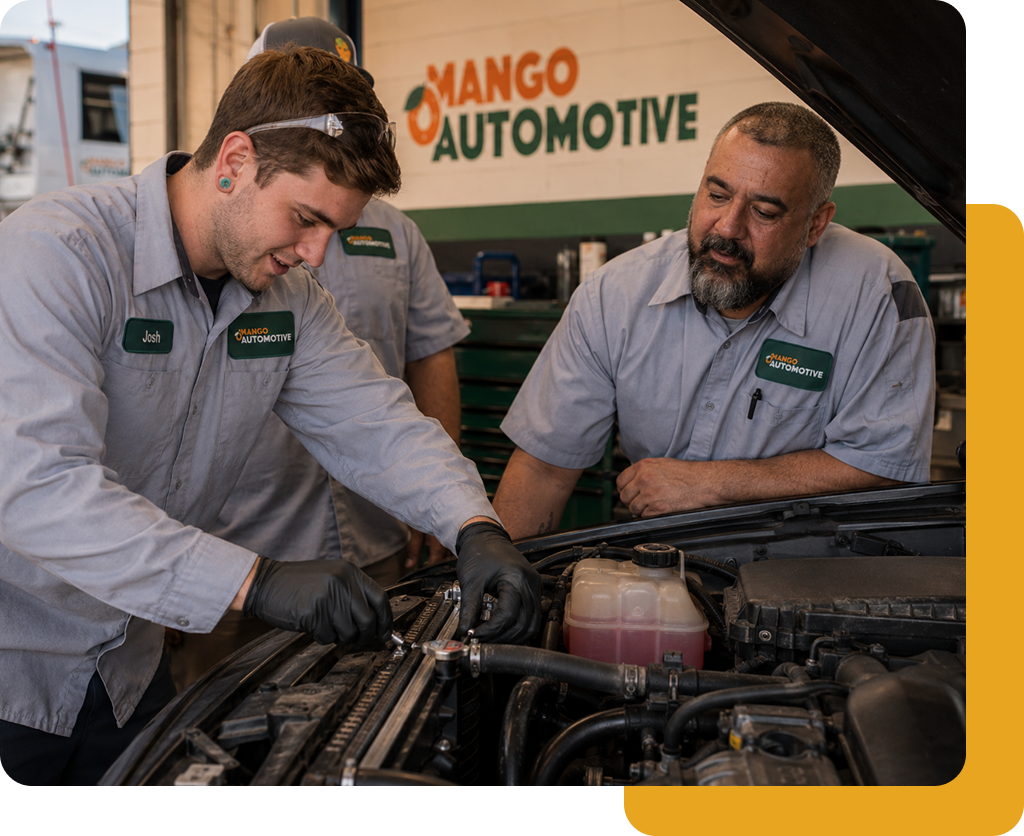
Cold Temperature Effects on Batteries: Guide from Auto Mechanics in Albuquerque
Winter mornings in Albuquerque bring more than just frost on windshields. As temperatures plummet below freezing, your vehicle's electrical system faces serious stress that can leave you stranded. The battery loses much of its power while the engine demands more energy to turn over thickened oil. This imbalance between reduced electrical output and increased starting requirements explains why dead batteries rank among the most common winter vehicle problems across New Mexico.
At
Mango Automotive, we help drivers prepare their vehicles for cold weather challenges before breakdowns occur. Understanding how temperature affects your battery and charging system allows you to recognize warning signs early and take preventive action. From professional battery testing to complete electrical system diagnostics, our
mechanics in Eagle Ranch provide the services needed to keep your vehicle starting reliably throughout the coldest months.

Cold Weather Effects on Battery Chemistry
Cold temperatures reduce battery capacity by slowing the electrochemical reactions that generate electrical current. At 32°F, a typical car battery loses approximately 35% of its strength. At 0°F, that loss increases to roughly 60%, according to data from AAA's Automotive Research Center.
Battery power depends on chemical processes that generate electricity through electrochemical reactions. In traditional lead-acid batteries, lead plates interact with sulfuric acid to produce current. Newer lithium-ion and absorbed glass mat (AGM) batteries use different chemistries but face similar cold-weather challenges. Lower temperatures slow these chemical reactions and, in lead-acid batteries, cause the electrolyte to thicken, which restricts ion movement. Regardless of battery type, the result is reduced voltage output and diminished cranking power when temperatures drop.
Modern vehicles require substantial electrical current to start. Engine oil becomes thicker in cold conditions, creating more resistance for the starter motor to overcome. This combination of reduced battery output and increased starting demands explains why cold mornings produce the most service calls at auto repair shops.
Temperature effects accumulate over time. A battery that performs adequately in 70°F weather may fail completely at 10°F, even if the battery itself is relatively new. This is why winter exposes underlying battery weaknesses that might otherwise remain undetected during warmer seasons.
Charging System Performance in Cold Temperatures
The alternator recharges the battery while the engine runs and supplies power to electrical accessories. Cold temperatures force the alternator to work harder because the battery accepts charge more slowly when cold.
Alternator Strain During Winter Operation
When outside temperatures drop, the alternator must produce higher amperage to compensate for reduced battery efficiency. This increased workload can shorten alternator lifespan, particularly in vehicles with aging components or those used primarily for short trips.
Short-distance driving prevents the alternator from fully recharging the battery. If you drive only 10-15 minutes daily during winter, the battery never reaches its full charge. Over weeks, this creates a deficit that eventually prevents the vehicle from starting.
Voltage regulators within the charging system can also malfunction in extreme cold. These components control the alternator output to prevent overcharging. When regulators fail, batteries receive either insufficient charge or damaging excess voltage.
Warning Signs of Charging System Problems
Several symptoms indicate charging system issues during cold weather:
Dim headlights while idling suggest the alternator isn't producing adequate power.- Dashboard battery warning lights signal detected charging faults.
- Flickering interior lights point to voltage supply problems.
- Slow power window operation indicates insufficient electrical current.
At Mango Automotive, we provide thorough electrical system evaluations for vehicles experiencing cold weather starting problems. Our auto mechanics in Albuquerque use professional-grade diagnostic tools to read voltage output, measure amperage levels, and identify specific component failures within the charging circuit. Early detection through proper testing prevents minor issues from becoming major repairs.
Age and Condition Factors in Cold Weather Failures
Battery age directly correlates with cold weather performance. Most automotive batteries last 3-5 years under normal conditions. However, batteries older than three years become increasingly vulnerable to cold-related failures.
Internal battery deterioration occurs gradually, and the connections corrode, creating resistance. These age-related changes remain manageable in warm weather but become critical when temperatures fall. A battery at 80% capacity in summer may drop to 40% capacity at 0°F. This explains why batteries often fail suddenly during the first hard freeze, despite working fine the previous week.
Physical inspection reveals important condition indicators. Swollen or cracked battery cases suggest internal damage. Corroded terminals create resistance that reduces available power. Loose mounting allows vibration that can damage internal components. A qualified mechanic near you can perform these inspections and identify aging batteries before they fail during cold weather, saving you from unexpected breakdowns.
Starting System Demands in Cold Conditions
The starter motor draws the highest electrical current of any vehicle component. Cold engine oil increases viscosity, sometimes doubling the resistance the starter must overcome to crank the engine. This places extreme demands on both the battery and the charging system.
Multiple failed start attempts drain battery reserves rapidly. Each cranking cycle can consume 100-200 amps. After three or four unsuccessful attempts, the battery may lack sufficient power for another try, even if it was fully charged initially.
Role of Engine Block Heaters
Engine block heaters warm the coolant and engine block before starting. This reduces oil viscosity and decreases starting resistance. In regions with sustained below-zero temperatures, block heaters can extend battery life by reducing the power required for cold starts.
Pre-heating for just two hours can decrease starting current requirements substantially. This reduction makes the difference between successful starts and dead batteries on extremely cold mornings.
Testing and Maintenance for Winter Readiness
Professional battery testing measures cold cranking amps (CCA), which indicates starting power at 0°F. CCA ratings decline as batteries age. Testing reveals actual capacity compared to the rated specification, showing whether replacement is advisable before winter arrives.
Load testing applies electrical resistance while measuring voltage drop. Batteries that fail load tests cannot deliver the required power during actual starting conditions. This test identifies weak batteries that might otherwise seem functional during visual inspection.
Preventive Maintenance Steps
Regular maintenance extends the battery and charging system lifespan. Clean battery terminals prevent resistance that reduces available power. Corrosion removal and terminal protection spray create reliable connections.
Battery mounting must be secure. Vibration damages internal plates and can crack the case. Tightening hold-down brackets takes minutes but prevents premature replacement needs.
Electrolyte levels in non-sealed batteries should remain above the plates. Adding distilled water when low prevents plate exposure that causes permanent damage. Sealed maintenance-free batteries require different care but still benefit from terminal cleaning and mounting checks.
A
mechanic near you can perform complete electrical system inspections that identify problems before they cause failures. These services prevent towing and emergency repair needs.
Recognizing the Need for Professional Electrical System Service
Specific symptoms indicate the need for immediate professional diagnosis:
Slow engine cranking on the first start of the day suggests reduced battery capacity. If the engine cranks normally after warming up slightly, cold temperature effects are the likely cause.
Clicking sounds during starting attempts indicate insufficient current reaching the starter motor. This often results from corroded connections, weak batteries, or failing starter solenoids. A skilled mechanic near you can distinguish between these scenarios through professional diagnosis, ensuring the correct repair is performed.
Dashboard warning lights require investigation regardless of the season. Battery or charging system lights indicate detected faults that could lead to complete electrical failure. Ignoring these warnings risks being stranded with a non-starting vehicle.
Frequent jump-starts indicate declining battery health. Requiring jumps more than once per season signals that replacement should occur before complete failure happens at an inconvenient time or location.
Mango Automotive provides complete electrical system diagnostics for vehicles of all makes and models. Our experienced mechanics in Eagle Ranch use professional-grade equipment to measure battery capacity, alternator output, voltage drop across connections, and starter motor current draw, delivering accurate assessments you can trust.
Emergency Preparedness for Cold Weather Breakdowns
Jumper cables or portable jump starters provide starting assistance when battery power is insufficient. Portable lithium-ion jump starters offer convenience without requiring another vehicle.
Proper jump-starting technique prevents electrical damage. Connecting cables in the correct sequence (positive to positive, negative to ground) and allowing time for charge transfer between batteries produces successful starts without harming vehicle electronics.
Understanding when professional assistance is necessary prevents further damage. If a vehicle won't start after multiple jump attempts, underlying problems beyond simple battery discharge exist. Continuing to attempt starts may damage the starter motor or drain the assisting vehicle's battery.
Mango Automotive: Expert Electrical System Services in Albuquerque
At Mango Automotive, we provide complete battery and charging system services for Albuquerque drivers. Our services include battery testing and replacement, alternator diagnosis and repair, starter motor service, and electrical connection cleaning.
We use OEM-compatible parts that meet or exceed original equipment specifications. Battery replacements include proper disposal of old units and installation according to manufacturer standards. All electrical work receives thorough testing to verify proper operation before returning vehicles to customers.
Our team includes ASE-certified auto mechanics in Albuquerque who specialize in electrical system diagnosis. Complex electrical problems receive systematic troubleshooting using diagnostic equipment that identifies faults other shops might miss.
Beyond technical expertise, we prioritize clear communication and attentive service throughout the repair process. Our team works efficiently to minimize your downtime and get you back on the road quickly. We understand that vehicle breakdowns disrupt your plans, especially when you're traveling. Beyond addressing your immediate concerns, we also identify and resolve additional issues to improve your vehicle's safety and reliability.
One satisfied customer shared: "The guys at Mango were great! I'm from out of town, and my alternator went bad. They were able to install a new one within a day, so I could get back on the road. They even fixed my steering sensor and charged my battery for free! Would highly recommend Mango Automotive!!!"
This commitment to thorough service and going the extra mile defines how our mechanics in Eagle Ranch serve every driver who visits our location.
Temperature Monitoring and Proactive Response
Drivers should monitor local weather forecasts and take action before extreme cold arrives. Having batteries tested when temperatures first drop below freezing identifies vulnerable units before they fail completely.
Parking in covered or enclosed spaces whenever possible reduces temperature exposure. Even a carport provides enough protection to raise overnight temperatures by 10-15 degrees, substantially improving battery performance.
Limiting electrical accessory use during cold starts preserves battery power for the starter motor.
Turning off heaters, radios, and lights before cranking allows maximum current for starting. Once the engine runs and the alternator begins charging, these accessories can be safely activated.
Avoid Winter Breakdowns with Timely Service
Cold weather battery and charging system issues are predictable and largely preventable. Annual inspections before winter identify developing problems while repairs remain straightforward. Battery replacement before failure prevents inconvenient breakdowns and secondary damage to charging components.
Professional diagnosis by a qualified mechanic provides an accurate assessment and appropriate solutions. Attempting DIY repairs on electrical systems risks personal injury from battery acid or electrical shock, as well as damage to sensitive vehicle electronics.
At Mango Automotive, we've built our reputation on reliable service and transparent communication. Our technicians explain problems clearly, provide detailed repair estimates, and complete work efficiently to minimize vehicle downtime for our customers.
Cold weather challenges are temporary, but the damage from neglecting battery and charging system care can be permanent. Taking action now protects your vehicle investment and prevents winter breakdowns that disrupt your schedule and safety.
For battery testing, charging system diagnosis, or electrical repairs, contact Mango Automotive at
(505) 633-1001. Our auto mechanics in Albuquerque serve drivers throughout the region with honest assessments and quality repairs.