How Regular Fluid Checks Can Prevent Costly Auto Repair in Albuquerque
Every vehicle depends on multiple fluids working together to keep systems running smoothly. Each fluid plays a distinct role in protecting your car from damage. When fluid drops to low levels or becomes contaminated, components wear faster, and failures occur without warning. Simple monthly checks take just minutes but can save you from expensive automotive repair bills and inconvenient breakdowns.
Albuquerque's intense summer heat, exceeding 95°F, low humidity at 5,300 feet elevation, and temperature swings between day and night create conditions that accelerate fluid evaporation and breakdown. At
Mango Automotive, we help local drivers understand that regular fluid monitoring is necessary for preventing the kinds of problems that turn into major auto repairs in Albuquerque's climate.

Understanding Critical Vehicle Fluids
Your vehicle relies on five primary fluids to operate safely and efficiently. Each fluid serves specific functions and shows distinct warning signs when levels drop or contamination occurs. Understanding these fluids helps you identify problems before they escalate into expensive auto repair situations.
Fluid Type
Primary Functions
Fresh Appearance
Warning Signs
Engine Oil
Lubricates moving parts, reduces friction, carries heat away, and cleans internal components
Amber or light brown
Dark black color, knocking sounds, and a low-pressure warning light
Coolant
Regulates engine temperature, prevents freezing, and inhibits corrosion
Green, orange, or pink (depending on type)
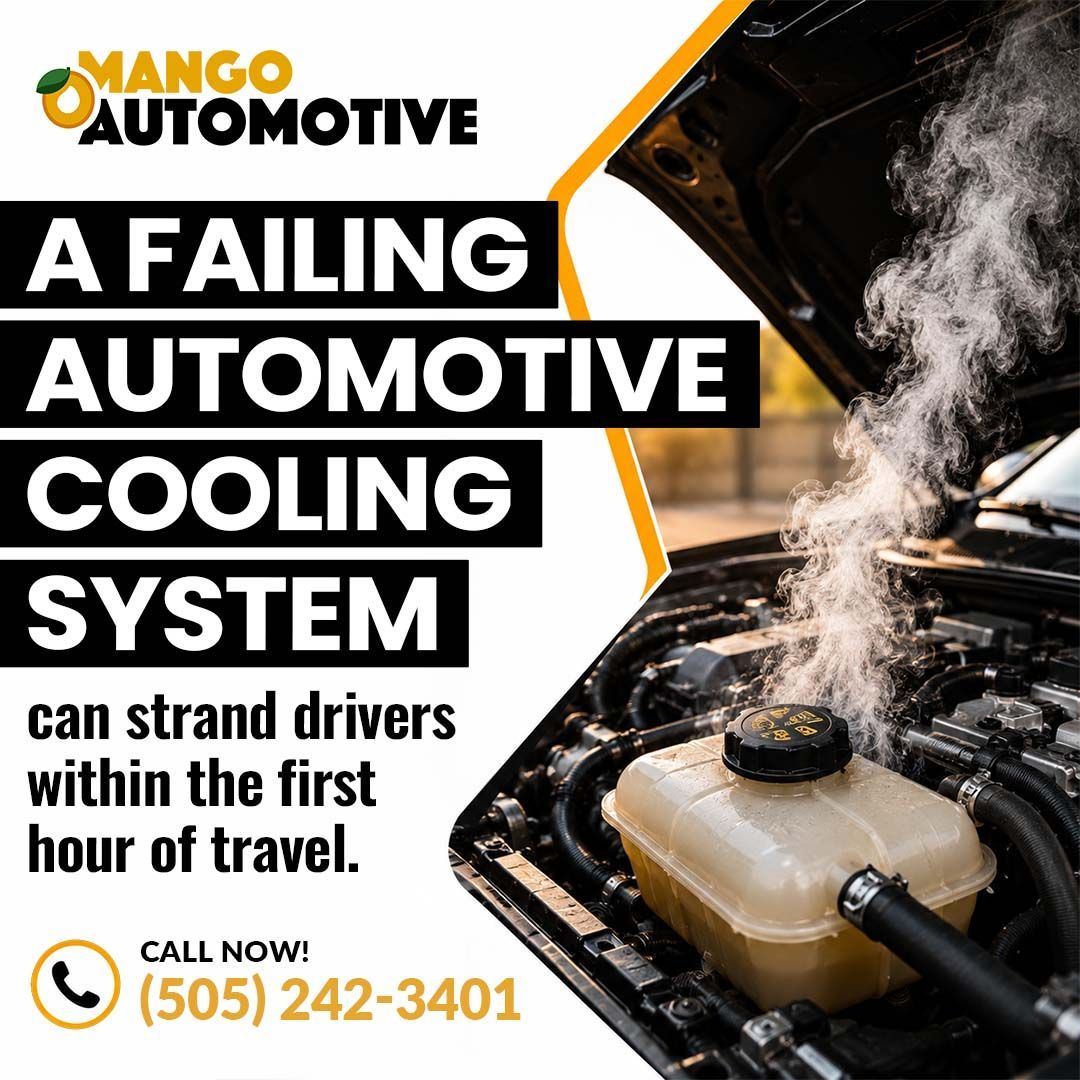
Temperature gauge rising, steam from the hood, sweet smell
Transmission Fluid
Lubricates gears, transfers power hydraulically, and cools the transmission
Bright red or pink
Dark brown color, burnt smell, hard shifting, slipping gears
Brake Fluid
Transfers hydraulic pressure for braking and operates calipers
Clear to light amber
Brown color, spongy brake pedal, longer stopping distance
Power Steering Fluid
Pressurizes the hydraulic pump and lubricates the steering components
Clear to light amber or red
Whining sounds, stiff steering, difficulty turning
Engine Oil Functions and Protection
Without adequate engine oil, metal components grind against each other, generating heat that can reach damaging levels within minutes. The protective barrier prevents premature wear on pistons, crankshafts, camshafts, and bearings. Oil filters trap dirt particles suspended in the oil, preventing them from recirculating through the engine and causing abrasive damage to precision surfaces.
Coolant System Protection
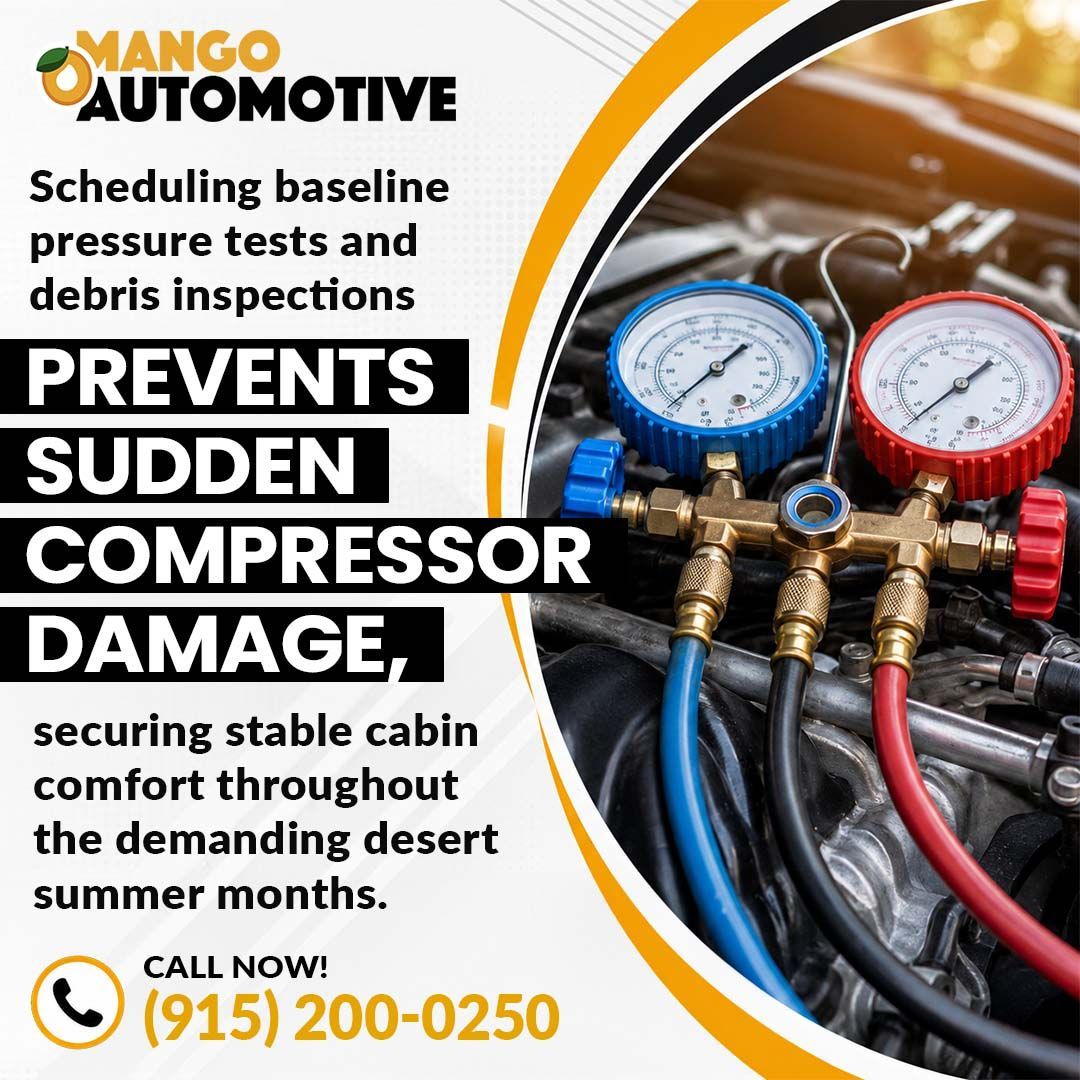
Modern coolant contains corrosion inhibitors that protect metal components from rust. These additives break down over time, reducing the coolant's effectiveness even if the fluid level remains adequate. When coolant levels drop or the mixture degrades, engines overheat, which can warp cylinder heads, blow head gaskets, and crack engine blocks. The cooling system requires proper maintenance to prevent these severe forms of engine damage that necessitate major automotive repair.
Transmission Fluid Roles
Automatic transmissions rely heavily on this fluid for operation, while manual transmissions use it primarily for lubrication. The fluid breaks down over time and loses its protective properties. Failed transmissions represent one of the most expensive scenarios drivers face at auto repair shops. Regular fluid maintenance protects these complex components from premature failure.
Brake System Fluid
Brake fluid is hygroscopic, which means it absorbs moisture from the air over time. This moisture lowers the fluid's boiling point and can cause brake fade during heavy use. Moisture also causes internal corrosion throughout the brake system, deteriorating metal components and degrading seals. Complete brake system failure can occur when contaminated fluid compromises the hydraulic pressure needed for safe stopping.
Power Steering Assistance
Low power steering fluid forces the pump to work harder, accelerating wear on internal components. Air entering the system through low fluid levels creates additional stress and noise. Some modern vehicles use electric power steering that doesn't require fluid, but most vehicles on the road today still rely on hydraulic systems that need regular monitoring.
The Real Cost of Fluid Neglect
Preventive maintenance yields substantial returns on investment. Vehicles that receive consistent fluid maintenance typically require fewer major repairs than neglected vehicles.
Engine Damage from Oil Neglect
Engine damage from oil neglect represents one of the most expensive scenarios requiring automotive repair. An engine that runs without adequate oil can seize within minutes of operation. Complete engine replacement becomes necessary when internal components suffer severe damage. Regular oil changes over a vehicle's lifetime cost a fraction of engine replacement. The math clearly favors prevention over major repairs.
Transmission Failure Prevention
Transmission failure from fluid neglect creates another expensive repair scenario. Transmission fluid that becomes contaminated with metal particles or loses its viscosity cannot protect transmission components from friction and heat.
Transmission rebuilds rank among the most expensive services provided by Albuquerque automotive repair facilities. A simple transmission fluid change at recommended intervals prevents this catastrophic failure.
Cooling System Damage
Cooling system damage escalates quickly when coolant issues go unaddressed. Low coolant levels or degraded coolant allow engines to overheat. Severe overheating can cause head gasket failure or crack the engine block, often totaling older vehicles.
Regular coolant flushes maintain the system's ability to regulate engine temperature. This preventive service protects against far more expensive overheating damage.
Brake System Failures
Brake system failures create both safety hazards and repair expenses. Contaminated brake fluid accelerates corrosion throughout the brake system. Metal components deteriorate, seals degrade, and stopping power diminishes.
Replacing brake pads before rotor damage occurs costs substantially less than complete brake system overhauls. Delaying brake maintenance until major components fail increases repair complexity and expense.
Recommended Fluid Check Schedule
Monthly Inspections
Monthly inspections should include engine oil, coolant, and windshield washer fluid checks. These fluids experience the most rapid depletion and require frequent monitoring. Engine oil deteriorates from heat and combustion byproducts, while coolant evaporates in hot weather and protects against freezing in cold conditions. Windshield washer fluid depletes with regular use and helps maintain visibility during dusty conditions common in our desert climate.
Seasonal Inspections
Twice yearly inspections should cover brake fluid, transmission fluid, and power steering fluid. These fluids change more slowly but require regular monitoring. Schedule these checks during spring and fall to prepare for seasonal temperature extremes that affect fluid performance and system operation. Spring inspections prepare your vehicle for summer heat stress, while fall checks address winter cold-weather demands on your vehicle's systems.
Annual Inspections
Annual inspections provide a thorough examination of all vehicle systems, going beyond what monthly and seasonal checks can accomplish. Technicians access hard-to-reach components and use diagnostic equipment to identify developing problems before they cause roadside breakdowns or system failures.
Complete system flushes remove old fluid and contaminants more thoroughly than basic drain-and-fill procedures. These services restore system performance, extend component life, and maintain your vehicle's reliability. Annual inspections also document your maintenance history, which proves valuable for warranty claims and increases resale value.
For drivers in our high desert climate, annual inspections help address the accelerated wear that local conditions create, reducing your need for unexpected
Albuquerque automotive repair visits.
Warning Signs Indicating Fluid Problems
Dashboard Alerts
Dashboard warning lights provide the first alert of fluid-related issues. Modern vehicles monitor fluid systems continuously and alert drivers when problems develop:
Check Engine Light - Indicates numerous problems, including low oil pressure, overheating, or sensor malfunctions related to fluid levels.
Brake Warning Light - Indicates low brake fluid or brake system malfunctions requiring immediate attention.
Oil Life Monitor - Calculates remaining oil life based on driving conditions, engine temperature, and operating hours.
Low Coolant Warning - Alerts when coolant levels drop below the safe operating range.
Transmission Temperature Warning - Indicates transmission fluid overheating in vehicles with this feature.
Never ignore dashboard warnings. These alerts identify problems early, before minor fluid issues escalate into major system failures.
Visual Leak Indicators
Visual indicators under your vehicle reveal fluid leaks. Different colored puddles indicate specific fluids, helping you identify which system requires attention:
Green, Orange, or Pink Puddles - Coolant leaks from the radiator, hoses, or water pump.
Dark Brown or Black Spots - Engine oil leaking from the oil pan, gaskets, or seals.
Bright Red Fluid - Transmission fluid or power steering fluid leaks.
Clear Fluid - Either normal water condensation from air conditioning or brake fluid (check location and consistency).
Yellow or Brown Fluid - Old brake fluid or contaminated power steering fluid.
Light Brown or Tan - May indicate oil mixed with coolant, suggesting a more serious internal engine problem.
Check underneath your vehicle regularly, especially after it has been parked overnight. Small leaks discovered early prevent larger repair bills later.
Performance Changes
Performance changes often result from fluid problems. Your vehicle communicates issues through altered behavior before complete system failure occurs:
Engine Running Rough or Misfiring - May indicate inadequate oil lubrication or cooling system problems.
Loss of Engine Power - Often results from low coolant, causing overheating or insufficient oil pressure.
Hard or Delayed Shifting - Suggests low or contaminated transmission fluid affecting hydraulic pressure.
Transmission Slipping Between Gears - Indicates transmission fluid that has lost its friction properties.
Stiff or Heavy Steering - Points to low power steering fluid or air in the system.
Whining Noises When Turning - Suggests power steering fluid running critically low.
Spongy Brake Pedal - Indicates air in brake lines or contaminated brake fluid.
Excessive Pedal Pressure Required - Points to low brake fluid or system leaks.
Longer Stopping Distances - Suggests brake fluid problems requiring immediate attention.
Address performance changes promptly. What starts as minor fluid issues can quickly escalate into system failures requiring expensive auto repair.
Unusual Sounds
Unusual sounds frequently accompany fluid issues. These audible warnings indicate problems before complete system failure occurs:
Engine Knocking or Ticking - Indicates insufficient oil lubrication between metal components.
Transmission Grinding - Suggests critically low fluid levels, preventing proper gear engagement.
Transmission Whining - Points to low fluid or contaminated fluid losing its lubricating properties.
Power Steering Squealing - Occurs when fluid runs low or air enters the hydraulic system.
Hissing from the Engine Bay - May indicate coolant leaking onto hot engine components.
Bubbling Sounds - Suggests air in the cooling system or brake system from low fluid levels.
These sounds represent early warnings before complete component failure. Addressing unusual noises promptly prevents expensive intervention at auto repair shops and keeps minor issues from becoming major breakdowns.
Temperature Fluctuations
Temperature fluctuations signal cooling system problems. If your temperature gauge climbs above normal range, particularly during hot weather or highway driving, coolant levels or circulation may be inadequate.
Steam escaping from under the hood indicates severe overheating requiring immediate attention. Stop driving immediately and allow the engine to cool before adding coolant.
Mango Automotive: Professional Fluid Service in Albuquerque
Local Climate Expertise
Mango Automotive provides fluid maintenance services designed for Albuquerque's desert climate conditions. Our technicians understand how local heat, altitude, and temperature variations affect vehicle fluids.
Our fluid service offerings include complete oil changes, coolant system flushes and pressure testing, transmission fluid exchanges with filter replacement, brake fluid testing and replacement, and power steering fluid service.
Comprehensive Inspections
We provide thorough inspections during every fluid service. Our technicians check for leaks, examine hose and belt condition, test battery performance, and inspect brake components. This approach identifies developing problems before they require expensive auto repairs in Albuquerque.
Each inspection follows manufacturer specifications while accounting for severe service conditions common in our climate. We document findings and explain recommendations clearly to help you make informed maintenance decisions.
Warranty Protection
Our auto repair shop offers 60 months/60,000 miles of warranty protection (36 months or 36,000 miles nationwide plus an additional 24 months or 24,000 miles at Mango Automotive locations), with some exclusions applying to wear items such as engines, transmissions, brake pads, rotors, tires, control modules, and alignments.
Fluid Maintenance for Different Driving Conditions
City Driving Requirements
City driving creates severe service conditions requiring more frequent fluid maintenance. Stop-and-go traffic generates excessive heat in engines and transmissions, while short trips prevent engines from reaching optimal operating temperature. This allows moisture and contaminants to accumulate in oil. Vehicles used primarily for city driving should follow severe service intervals listed in the owner's manuals.
Highway Driving Benefits
Highway driving is easier on vehicles and fluids. Engines reach and maintain operating temperature, allowing oil to work efficiently, while transmissions operate in higher gears with less shifting. However, high-speed driving generates more engine heat, making cooling system maintenance important.
Extreme Weather Operation
Extreme weather in our region requires special attention. Summer temperatures exceeding 100°F stress cooling systems and accelerate oil breakdown, while winter temperatures below freezing affect oil viscosity. Vehicles should use oil grades appropriate for temperature ranges and maintain proper coolant mixture for freeze protection.
Mountain Driving
Mountain driving around our area creates unique challenges. Ascending grades force engines to work harder, while descending grades require prolonged braking that heats brake fluid to high temperatures. Understanding these local driving conditions helps prevent unnecessary auto repairs in Albuquerque.
Schedule Your Fluid Maintenance Service
Regular fluid checks and services protect your vehicle from expensive breakdowns. Inspections combined with professional services at recommended intervals keep all systems functioning properly. This proactive approach prevents emergency repairs after component failure.
At Mango Automotive, we work efficiently to minimize disruption to your schedule while providing thorough service. Our team explains findings clearly and recommends only necessary services based on your vehicle's condition and driving patterns.
Call Mango Automotive today at
(505) 299-5011 to schedule your fluid maintenance appointment. Our experienced Albuquerque automotive repair team serves drivers with the quality care and customer service that keeps vehicles reliable through every season and driving condition our desert climate presents.