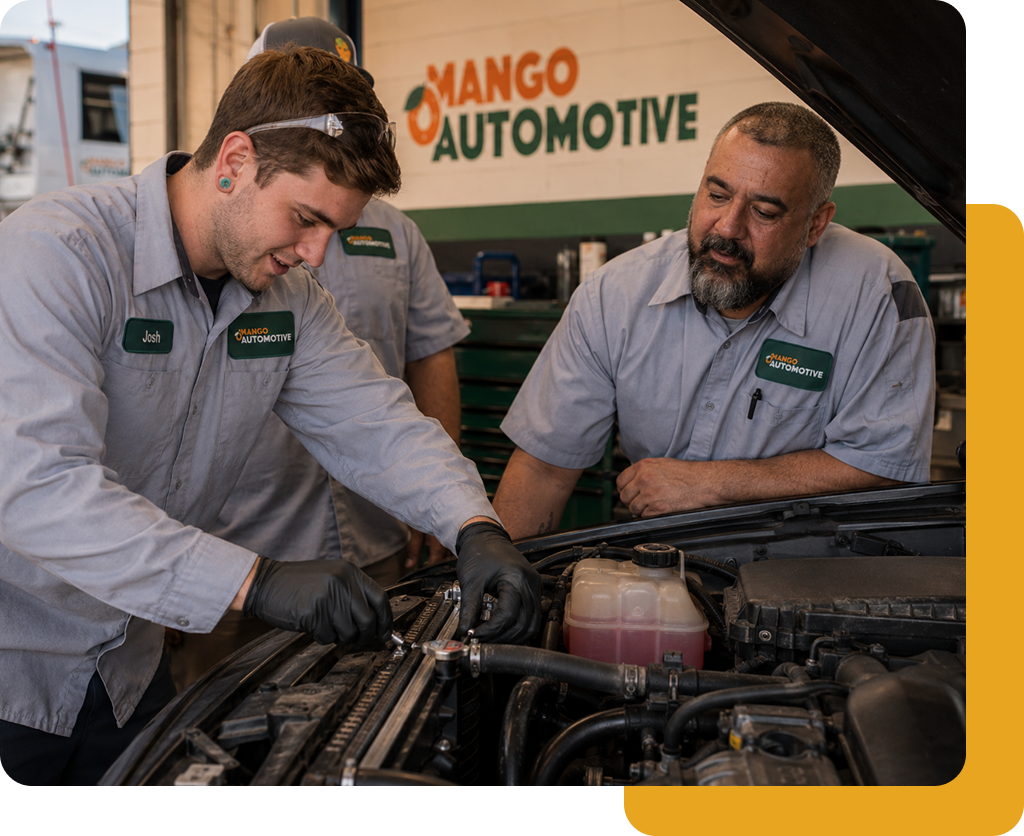
Uncommon Engine Hesitation Causes: Insights from Certified Mechanics in Albuquerque
Engine hesitation in modern vehicles stems from unexpected sources beyond traditional fuel and ignition problems. Modern cars use interconnected electronic systems, advanced emissions controls, and precise sensor networks that create unique hesitation problems not found in older vehicles.
Your vehicle's onboard computer manages dozens of sensors and parts simultaneously. When any component in this network malfunctions, your engine may stumble during acceleration or idle. Knowing about these less obvious issues helps you identify when it's time to visit a
mechanic shop near you that can properly diagnose and fix ongoing hesitation problems.
At
Mango Automotive, our experienced technicians specialize in diagnosing these modern vehicle issues that often confuse even seasoned drivers. In the following sections, we'll walk through the lesser-known reasons your engine might hesitate, breaking down each issue in simple terms so you understand what's happening under the hood.

Electronic Throttle Control Problems
Modern vehicles replaced mechanical throttle cables with electronic systems. Instead of a direct cable connection from your gas pedal to the engine, these systems use sensors and motors to manage engine speed. Electronic throttle control failures cause delayed acceleration response, jerky power delivery, and noticeable hesitation when you press the gas pedal.
Accelerator Pedal Position Sensor Issues
The accelerator pedal position sensor tells your engine control module how far you've pressed the gas pedal. A failing sensor sends incorrect information, causing the engine to hesitate while the module struggles to figure out how much power you actually want. These sensors develop electrical wear or physical damage that creates problems.
For example, a worn sensor might report that you've pressed the pedal halfway when you've actually floored it. The engine then delivers less power than you need, creating noticeable hesitation. Dirt buildup on sensor contacts causes unstable signals. When dirt accumulates, the sensor generates erratic readings that confuse the engine control module and cause jerky acceleration.
Throttle Body Motor Problems
The electric motor that controls your throttle can develop wear or electrical problems that cause jerky acceleration. Throttle body motor failures prevent smooth opening in response to your gas pedal, creating hesitation during acceleration. Motor parts wear down over time, reducing how well the motor responds. As internal components wear, motor response becomes sluggish and delayed.
Dirt and carbon deposits accumulate inside the throttle body, creating friction that prevents smooth operation. This buildup causes the motor to struggle, resulting in delayed response and hesitation.
Safety Sensor Conflicts
Modern cars use two separate sensors in the accelerator pedal for safety. When one sensor fails or provides conflicting information compared to the other, your car enters a safety mode that limits power and causes severe hesitation.
When the two pedal sensors disagree, the engine control module assumes something is wrong and limits your throttle to about 30% maximum, regardless of how hard you press the pedal. This safety feature prevents problems but causes engine hesitation.
Water damage affects pedal sensor electronics. Moisture from floor mats or cleaning can seep into the pedal assembly, creating electrical problems that cause unpredictable hesitation.
Variable Valve Timing Failures
Variable valve timing systems adjust engine timing to optimize performance at different speeds. Variable valve timing failures cause hesitation during acceleration when the engine cannot adjust properly for increased power demands.
Control Valve Problems
Electronic valves open and close to send pressurized oil to parts that adjust your engine's timing. Clogged screens, electrical failures, or mechanical damage prevent proper oil flow, causing hesitation when the engine needs quick timing changes.
Each control valve contains a small filter that protects internal parts from contamination. When this screen becomes clogged with debris from skipped oil changes, oil flow reduces drastically. This prevents proper operation.
Dirt deposits or old oil buildup can cause the internal valve to stick in one position. A stuck valve prevents the engine from adjusting timing during acceleration, causing noticeable power loss and hesitation.
Timing Adjuster Issues
The adjusters physically rotate internal engine parts to change valve timing. When adjusters stick, leak oil pressure, or fail mechanically, your engine hesitates because valve timing cannot match power demands.
Timing adjusters contain internal moving parts that develop wear over time, allowing oil to leak internally. This leakage prevents the adjuster from holding the correct positions accurately.
Many adjusters use spring-loaded pins that lock components in a default position when you turn off the engine. If these pins stick due to carbon buildup, the adjuster cannot move, eliminating timing adjustment entirely.
Oil Quality Effects
Variable valve timing systems need clean oil at the right thickness to function correctly. Using incorrect oil, extending oil change intervals beyond recommendations, or operating with dirty oil causes components to malfunction. The hesitation that it creates disappears after proper oil service.
These systems rely on thin oil that flows quickly through small passages. When you use thicker oil than specified, the fluid moves more slowly, delaying timing changes and creating noticeable hesitation during rapid acceleration.
Oil that stays in service too long creates sticky buildup that coats internal parts and valves. A professional mechanic shop near you can inspect oil condition and recommend service intervals appropriate for your driving conditions.
Turbocharger System Issues
Many modern gasoline engines use turbochargers to boost power and efficiency. Turbocharged engines use exhaust gases to force more air into the engine, providing excellent power. However, they can develop unique hesitation problems. Turbocharger system failures cause inconsistent power delivery, delayed response, and noticeable hesitation during acceleration from low speeds.
Pressure Control Problems
The pressure control system regulates how much boost the turbocharger creates. Stuck controls, failed parts, or leaks prevent proper boost regulation, causing noticeable hesitation when accelerating or during partial throttle operation.
Control linkages develop wear in connection points, allowing components to flutter or stick partially open. This reduces available boost pressure, causing hesitation.
Most factory turbo systems use pressure-operated parts with rubber diaphragms. These diaphragms develop small tears that allow pressure to leak, preventing proper operation under acceleration.
Pressure Sensor Problems
The engine control module relies on accurate boost pressure information to calculate fuel delivery and timing. Faulty pressure sensors cause the control module to limit power or provide incorrect fuel delivery. This creates engine hesitation that feels like sudden power loss during acceleration.
Pressure sensors generate electrical signals based on measured pressure. As sensors age, their readings drift, causing them to report pressures different from actual values. This error causes the control module to miscalculate fuel requirements.
Cooler System Leaks
Intercoolers cool compressed air from the turbocharger to increase power. Cracks, loose connections, or impact damage cause pressure leaks that reduce available power and create hesitation, especially during hard acceleration.
The end components on intercoolers are typically made from plastic that connects to metal cores. Repeated temperature changes cause these plastic components to crack, creating leaks that worsen over time.
Front-mounted intercoolers are vulnerable to stone impacts that create small holes. These holes allow pressure to escape before reaching the engine, reducing power output and causing hesitation during acceleration.
Transmission-Related Problems
While not technically engine issues, certain transmission problems create symptoms that drivers often mistake for engine hesitation. Understanding these helps you communicate the right symptoms to your mechanic.
Lockup Clutch Issues
The lockup clutch connects the engine directly to the transmission at cruising speeds to improve fuel economy. A failing lockup clutch causes noticeable shaking or shuddering during light acceleration or when maintaining steady speeds. These symptoms are often confused with engine problems.
When the clutch engages at the wrong time, your engine bogs down and creates hesitation during acceleration. This hesitation typically disappears when the transmission shifts to a different gear.
Shift Valve Failures
Electronic shift valves control when your transmission changes gears. When these valves stick or fail, gear changes become delayed or rough, causing what feels like engine hesitation as your RPM stays too high or too low for your current speed.
As these valves age or become contaminated by dirty transmission fluid, they respond more slowly to commands. This creates noticeable delays during shifting that many drivers mistake for engine performance problems.
Fuel System Problems
Modern fuel systems include specialized components that can cause engine hesitation when they malfunction. High-pressure fuel pumps and pressure regulators introduce unique failure modes that create hesitation during acceleration.
High-Pressure Pump Failures
Some modern engines use high-pressure fuel pumps to deliver fuel more efficiently. When these pumps start to fail, fuel pressure drops during acceleration, and your engine cannot get enough fuel. This creates noticeable hesitation until the pump catches up.
These pumps have internal parts that wear down over time from constant use and high stress. As they wear, the pump cannot maintain proper pressure, especially when you need quick acceleration or extra power.
Pressure Regulator Issues
Pressure regulators keep fuel pressure steady as your engine’s needs change. When regulators get stuck or fail, fuel pressure drops during acceleration, causing your engine to hesitate.
Some regulators adjust pressure based on how hard your engine is working. When connecting lines break or internal parts fail, the regulator cannot adjust properly. This causes hesitation when you switch between idling, cruising, and accelerating.
Check valves keep fuel pressure in the system after you turn off your engine. When these valves fail, pressure drops to zero. This causes hard starting and hesitation when you first start your car until the system builds pressure back up.
Sensor Failures
Modern engines rely on numerous sensors. Knock sensors and barometric pressure sensors monitor conditions that affect fuel delivery and timing. Incorrect information from the sensors creates engine hesitation.
Knock Sensor Problems
Knock sensors detect harmful engine vibrations. Failed knock sensors force engines into protection mode, where the engine control module reduces timing, causing noticeable power loss and hesitation during acceleration.
These sensors contain crystals that generate an electrical voltage when vibrated. Crystal deterioration changes sensor sensitivity, causing them to detect normal engine vibrations as problems.
These sensors bolt directly to the engine block. Loose mounting prevents accurate vibration detection, while overtightened sensors can crack internal crystals. Both scenarios create timing reduction and hesitation.
Atmospheric Pressure Sensor Issues
Modern engines use environmental sensors to calculate proper fuel delivery for current atmospheric conditions. In Albuquerque’s high-altitude environment, atmospheric pressure sensors become critical for proper operation.
Engines adjust fuel delivery based on atmospheric pressure, and failed sensors cause the engine control module to calculate incorrect air amounts, resulting in an improper fuel mixture that causes hesitation during acceleration.
Many modern vehicles use combination sensors that measure multiple conditions. The
certified mechanics in Albuquerque can diagnose these sensors. When partially failed, they provide mixed correct and incorrect information.
When to Seek Professional Help
Recognizing when hesitation problems require professional expertise prevents wasted time and incorrect repairs. Modern vehicles require specialized equipment and training to identify the hesitation causes accurately.
Signs You Need Expert Diagnosis
- Multiple Warning Lights - Several dashboard lights appearing at the same time indicate system-wide problems that require thorough diagnosis.
- Weather-Related Issues - Hesitation that changes with temperature or weather conditions suggests environmental sensor problems.
- Random Performance Problems - Issues that appear and disappear unpredictably point toward intermittent electrical failures.
- Unpredictable Hesitation Patterns - Hesitation with no clear pattern often results from failing sensors or control module problems that require professional electrical diagnosis.
Benefits of Advanced Equipment
Modern vehicles store extensive information that basic code readers cannot access. Professional scan tools access manufacturer-specific data and tests, performing advanced diagnostics that command individual components and view real-time sensor information.
Many hesitation problems result from outdated computer programming. A professional mechanic shop near you can install manufacturer software updates, reset values, and recalibrate systems to factory specifications.
Complete Engine Diagnostic Services at Mango Automotive
Mango Automotive provides complete diagnostic services for engine hesitation problems affecting modern vehicles throughout Albuquerque and nearby areas. Our ASE-certified technicians use advanced diagnostic equipment to identify uncommon hesitation causes accurately, making us one of the best mechanics in The Heights for complex diagnostics.
Our Approach to Diagnosing Engine Hesitation Causes
- Comprehensive System Analysis - We examine engine management, transmission operation, fuel delivery, and emissions controls to identify all contributing factors, not just surface symptoms.
- Real-World Testing - Our diagnostic process includes test driving under conditions that replicate your hesitation complaints, combined with data logging to capture intermittent problems.
- Ongoing Technical Training - Our certified mechanics in Albuquerque receive continuous training on the latest modern vehicle systems and diagnostic techniques.
- Clear Communication - At Mango Automotive, we explain findings in everyday language and provide detailed repair recommendations you can understand, no confusing jargon.
- Comfortable Waiting Experience - Our convenient Comanche Road location offers comfortable waiting areas with refreshments while we diagnose and repair your vehicle.
- Quality You Can Trust - At Mango Automotive, we combine technical expertise with genuine concern for getting you back on the road safely.

Solve Complex Engine Issues with Certified Mechanics in Albuquerque
Is your modern vehicle experiencing unexplained hesitation during acceleration or idle? Don't let confusing symptoms leave you stranded. Trust the best mechanics in The Heights to identify uncommon causes accurately with advanced diagnostic equipment. Call Mango Automotive at (505) 299-5011 for professional engine diagnosis and expert repairs.