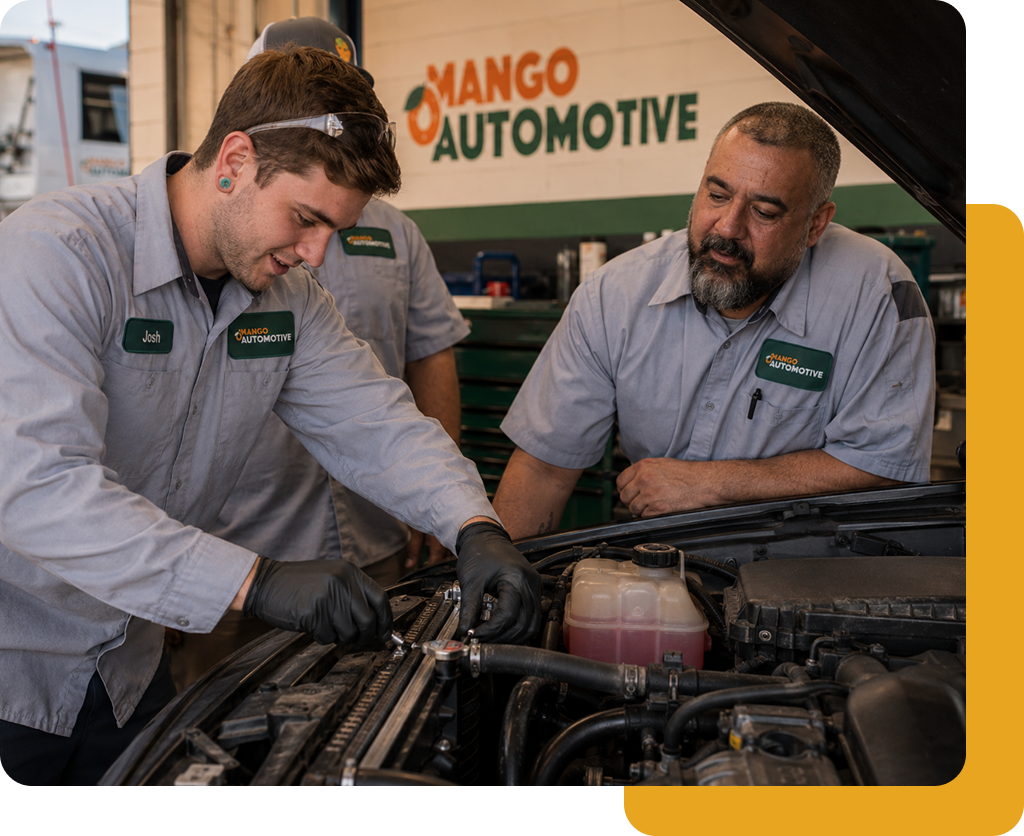
Common Transmission Misdiagnosis Issues: Insights from Auto Mechanics in Albuquerque

Jesse Jackson • January 13, 2026

When a transmission warning light appears on your dashboard, it doesn't always mean your transmission needs repair. Transmission warning lights and symptoms may be triggered by non-transmission issues like faulty sensors, engine problems, or electrical malfunctions that create symptoms identical to actual transmission failure.


At
Mango Automotive, our experienced team understands that accurate diagnostics require more than reading a dashboard warning. The transmission warning light connects to your vehicle's onboard diagnostic system, which monitors dozens of sensors and components. When any monitored component sends abnormal data, the warning light activates, but the actual problem may originate far from the transmission itself. Our auto mechanics in Albuquerque specialize in identifying the true source of these warnings. This article examines the common reasons transmission warning lights get misdiagnosed and explains how different vehicle systems can trigger false warnings.

The Connection Between Warning Lights and Multiple Vehicle Systems

Modern vehicles use interconnected electronic systems where engine performance directly affects transmission operation. The check engine light and transmission warning light often illuminate together because the powertrain control module (PCM) monitors both systems simultaneously. The PCM is your vehicle's main computer that coordinates engine and transmission functions.


When engine misfires occur, they create irregular power delivery to the transmission. This irregular power confuses the
transmission control module (TCM), which then stores fault codes and triggers warning lights. The driver experiences symptoms like rough shifting or hesitation, leading to the assumption of transmission failure when the spark plugs, ignition coils, or fuel injectors actually need attention.


Engine performance issues also affect transmission fluid temperature. A misfiring engine runs less efficiently, generating excess heat that transfers to the transmission. Temperature sensors detect this abnormal heat and activate warning systems, even though the transmission components themselves function normally.


Sensor Failures That Mimic Transmission Problems

Transmission speed sensors rank among the most common sources of misdiagnosis. These sensors monitor how fast your transmission is working and send that information to the PCM. When speed sensors malfunction, they send incorrect information that triggers transmission warnings and creates driving symptoms identical to actual transmission failure.


A faulty speed sensor can cause several problems. Your transmission may shift roughly, hesitate when changing gears, or suddenly limit your vehicle to only second or third gear. This limited operation, called limp mode, is a safety feature that prevents further damage when your computer detects problems. Drivers experience these symptoms and naturally think their transmission is failing, when simply replacing a sensor would fix the issue.


Transmission Range Sensors and Position Monitoring

The transmission range sensor tells your vehicle's computer which gear you've selected. When this sensor fails, the vehicle may not start, may start in the wrong gear, or display an incorrect gear position on the dashboard. An auto mechanic near you who is unfamiliar with this sensor's behavior might diagnose internal transmission damage and recommend expensive repairs.


Mass Airflow Sensor Issues

Mass airflow sensors measure incoming air volume for proper fuel mixture calculations. A failing mass airflow sensor causes poor acceleration and rough running that drivers mistake for transmission slipping. The vehicle struggles to gain speed, the engine revs higher than normal, and shifting feels delayed. All these symptoms suggest transmission trouble, but actually indicate air intake measurement problems.


Engine and Mechanical Issues Mistaken for Transmission Failure

Engine mount failure creates symptoms that perfectly mimic transmission problems. Worn engine mounts allow excessive engine movement during acceleration, causing clunking noises and vibrations that drivers attribute to transmission issues. The engine literally shifts position within the engine bay, creating mechanical sounds and sensations similar to transmission gear engagement problems.


When acceleration produces a loud clunk or bang, most drivers suspect transmission trouble. However, broken or deteriorated engine mounts cause this exact symptom. The engine rocks forward during acceleration and backward during deceleration, slamming against its mounting points and producing sounds that seem to originate from the transmission area.


Catalytic Converter Restrictions

Catalytic converter restriction produces another frequently misdiagnosed condition. A partially clogged catalytic converter restricts exhaust flow, reducing engine power and creating symptoms identical to transmission slipping. The vehicle struggles to accelerate, feels sluggish at highway speeds, and may seem unable to shift into higher gears properly.


The connection between exhaust restriction and transmission symptoms isn't obvious. As backpressure builds in the exhaust system, the engine produces less power. The transmission responds to this reduced power by holding gears longer or downshifting more frequently. Drivers feel the lack of acceleration and assume transmission failure, when exhaust system testing would reveal the true problem.


Fuel Delivery System Problems

Fuel delivery system problems also create transmission-like symptoms. A weak fuel pump, clogged fuel filter, or failing fuel pressure regulator reduces engine power output. The transmission cannot compensate for insufficient fuel delivery, resulting in poor acceleration that feels like gear slippage.


Electrical System Problems That Trigger False Warnings

Vehicle electrical systems have grown increasingly complex. Electrical problems can trigger transmission warning lights through voltage irregularities, corroded connections, or failing control modules. These electrical issues create symptoms ranging from erratic shifting to complete transmission failure modes.


Battery voltage problems affect transmission operation more than most drivers realize. When battery voltage drops below normal levels, the transmission control module receives insufficient power for proper operation. The TCM may store fault codes, trigger warning lights, and cause irregular shifting patterns due to low battery voltage rather than mechanical transmission problems.


Wiring and Connection Issues

Wiring harness damage represents another common source of electrical misdiagnosis. Common wiring and connection problems that trigger false transmission warning lights include:


  • Damaged Wiring Harnesses:
    Transmission wiring harnesses run along the vehicle undercarriage, exposed to road debris, moisture, and temperature extremes. Damaged wiring creates intermittent connections that trigger warning lights and cause unpredictable transmission behavior.

  • Corroded Electrical Connectors:
    Moisture infiltration corrodes connector pins and disrupts signal transmission between sensors and control modules. The intermittent nature of corrosion-related problems makes diagnosis challenging without proper testing equipment and experience.

  • Failed Transmission Control Module:
    The transmission control module itself can fail, triggering warning lights despite healthy transmission components. A failed TCM requires replacement rather than transmission rebuilding, making proper diagnosis critical for appropriate repairs.


As this shows, transmission warning lights and transmission-like symptoms can result from sensors, electrical problems, engine issues, mechanical failures, or actual transmission damage. Without proper diagnostic procedures, even experienced auto mechanics in Albuquerque can misidentify the true cause and recommend unnecessary repairs.


Facilities specializing in
transmission repair at The Heights in Albuquerque should have the training and equipment to distinguish between actual transmission failure and the many other conditions that trigger warning lights or create transmission-like symptoms.


Proper Diagnostic Procedures for Accurate Problem Identification

Professional transmission diagnosis requires systematic testing rather than assumption-based repairs. Qualified auto mechanics in Albuquerque begin with OBD-II (On-Board Diagnostics II) scanning to retrieve stored fault codes, then verify those codes through component testing and system analysis. The OBD-II scanner connects to the vehicle's diagnostic port and communicates with all control modules.


Fault code retrieval provides starting points for diagnosis, but never complete answers. A code indicating "transmission slipping" might result from low fluid, worn clutches, faulty solenoids, or sensor problems. At Mango Automotive, our experienced mechanics interpret codes within context, considering vehicle history, symptoms, and test results before recommending repairs.


Visual Inspection and Physical Testing

Visual inspection follows code retrieval. Mechanics check transmission fluid level and condition, inspect for leaks, examine electrical connections, and assess related components. Component testing verifies suspected failures. These tests confirm whether retrieved codes accurately identify failed components or simply reflect symptoms of other problems.


Modern vehicles require bidirectional testing capabilities, where mechanics command specific components to operate through the scan tool. This testing isolates electrical versus mechanical problems. If a solenoid responds to computer commands but doesn't produce pressure changes, the solenoid functions electrically but fails mechanically. This is the kind of information that guides accurate repairs.


The Importance of Specialized Transmission Diagnostics

Generic automotive repair facilities often lack the specialized equipment and training for accurate transmission diagnosis. Transmission-specific diagnostic tools include pressure gauges, flow meters, and advanced scan tools with transmission control module access. General repair shops may not possess these advanced tools.


Professional transmission repair requires mechanics trained specifically in transmission systems. This training teaches mechanics to interpret test results and distinguish between electrical and mechanical failures.


Experience with specific transmission types also affects diagnostic accuracy. Modern vehicles use traditional automatic transmissions, continuously variable transmissions (CVTs), and dual-clutch transmissions (DCTs). Each one requires different diagnostic approaches. An
auto mechanic near you with experience across all transmission types identifies problems faster and more accurately.


Professional Transmission Diagnosis at Mango Automotive

At Mango Automotive, our approach to transmission warning lights begins with thorough information gathering. We document the exact symptoms, driving conditions when problems occur, maintenance history, and any recent repairs. This information guides our diagnostic process, helping us focus testing on the most probable causes. When you need transmission repair at The Heights in Albuquerque, this systematic approach makes sure that we identify the real problem before recommending any work.


Our diagnostic process uses manufacturer-level scan tools that access all vehicle control modules, not just basic OBD-II data. These tools retrieve pending codes, freeze frame data, and live data streams showing real-time sensor readings. We monitor transmission temperature, gear position, shift solenoid operation, and dozens of other parameters while test driving your vehicle.


Complete System Analysis

Physical inspection accompanies electronic diagnosis. Our technicians check transmission fluid condition and level, inspect the transmission pan for metal particles indicating internal wear, examine electrical connectors for corrosion, and assess engine mounts and driveline components. This hands-on approach identifies problems that electronic scanning might miss.


When initial testing suggests transmission problems, we perform transmission-specific diagnostics. These tests distinguish between hydraulic problems, mechanical wear, and electrical failures.


Our computer diagnostics capabilities extend beyond basic code reading. We analyze live data streams, perform component activation tests, and use our extensive training to interpret results accurately. This systematic approach prevents misdiagnosis and ensures you receive only the necessary repairs.


Trust Mango Automotive for Accurate Transmission Diagnosis

At Mango Automotive, we understand that transmission problems create anxiety and financial concern. Our commitment to accurate diagnosis protects you from unnecessary repairs while addressing the actual problems affecting your vehicle. We invest in advanced diagnostic equipment, ongoing training, and systematic testing procedures that identify root causes rather than treating symptoms. When you need reliable transmission repair at The Heights in Albuquerque, our team delivers the expertise you deserve.


Call Mango Automotive today at
(505) 299-5011 to schedule a thorough diagnostic. Our skilled technicians will identify the real problem and recommend only the repairs your vehicle actually needs. As your trusted auto mechanic near you, we're committed to honest diagnostics and transparent service.


mechanics in Downtown Albuquerque
By Jesse Jackson January 14, 2026
Fleet vehicles have higher failure rates than personal vehicles due to continuous use, diverse driver habits, and demanding schedules. Most issues involve brake wear, tire degradation, engine overheating, transmission problems, and electrical failures. Preventing these problems requires scheduled inspections, proactive maintenance, and targeted driver training for commercial operations. Business owners who manage delivery trucks, service vans, and commercial fleets in Albuquerque face additional challenges from desert climate conditions. High temperatures accelerate fluid breakdown and increase stress on cooling systems. Dust infiltration clogs filters faster than in humid regions. Stop-and-go traffic patterns in urban areas generate excessive brake heat and reduce component lifespan. Understanding these common problems and implementing targeted prevention strategies reduces repair expenses and vehicle downtime. Mango Automotive (Downtown) specializes in fleet maintenance services designed for the operating conditions in the region. Our certified mechanics in Downtown Albuquerque examine commercial vehicles using diagnostic equipment that identifies issues before they cause breakdowns.
auto shops in Albuquerque
By Jesse Jackson January 14, 2026
Hard shifting damages your transmission and creates dangerous driving conditions. Your automatic transmission should change gears smoothly without jerking, clunking, or delays. When shifts become rough or abrupt, internal components experience excessive wear that leads to expensive repairs. Automatic transmissions rely on precise hydraulic pressure, electronic controls, and mechanical components working together. When any part of this system fails, you feel the effects immediately through harsh gear changes. The problem rarely fixes itself and typically worsens over time, causing additional damage to related components. At Mango Automotive (Downtown) , we deliver reliable transmission service in Downtown Albuquerque , addressing hard shifting and performance concerns before they become major problems. Understanding what causes hard shifting helps you recognize problems early and take action.
auto mechanics in Albuquerque
By Jesse Jackson January 14, 2026
Winter mornings in Albuquerque bring more than just frost on windshields. As temperatures plummet below freezing, your vehicle's electrical system faces serious stress that can leave you stranded. The battery loses much of its power while the engine demands more energy to turn over thickened oil. This imbalance between reduced electrical output and increased starting requirements explains why dead batteries rank among the most common winter vehicle problems across New Mexico. At Mango Automotive , we help drivers prepare their vehicles for cold weather challenges before breakdowns occur. Understanding how temperature affects your battery and charging system allows you to recognize warning signs early and take preventive action. From professional battery testing to complete electrical system diagnostics, our mechanics in Eagle Ranch provide the services needed to keep your vehicle starting reliably throughout the coldest months.
Eagle Ranch auto repair
By Jesse Jackson January 14, 2026
Coolant protects engines from freezing during Albuquerque's winter months, when temperatures drop to 25°F or below. While the terms antifreeze and coolant are often used interchangeably, antifreeze refers to the concentrated chemical, and coolant is the diluted mixture that circulates through your engine. This fluid mixture prevents ice formation in engine components and maintains proper operating temperatures throughout the year. Albuquerque experiences winter temperatures averaging between 25°F and 47°F from December through February, with occasional cold snaps dropping nighttime lows below 20°F. At 5,312 feet, the city's environment creates specific challenges for vehicle cooling systems that many drivers overlook until problems develop. Many local drivers assume their vehicles need attention only during summer heat. However, cooling system failures occur year-round, with winter freeze damage accounting for a significant portion of repairs at Eagle Ranch auto repair facilities. At Mango Automotive , we help drivers understand how winter conditions affect their vehicles and what steps protect against cold-weather damage. This guide explains coolant protection, the different fluid types available, and maintenance schedules appropriate for our regional climate.
diesel mechanic near you
By Jesse Jackson January 13, 2026
Diesel engines in Las Cruces face unique challenges from desert heat, dust, and heavy-duty use. The EGR valve controls emissions and engine performance, but when it fails, you'll notice reduced power, rough idling, and black exhaust smoke. Understanding how this component works and recognizing failure symptoms can prevent expensive engine damage and keep your truck compliant with emissions standards. At Mango Automotive & Diesel , we repair EGR valves and related exhaust system components for diesel trucks throughout southern New Mexico. Our team understands how local driving conditions affect emissions systems and provides targeted diesel repair in Cruces that restores performance and prevents future breakdowns.
auto repair in Las Cruces
By Jesse Jackson January 13, 2026
Poor acceleration affects vehicle safety, fuel economy, and driving comfort. When your car struggles to speed up or responds slowly to the gas pedal, multiple systems could be at fault. These problems can stem from issues in the fuel system, air intake, ignition components, transmission, or engine sensors.  This article covers the warning signs of acceleration problems, the vehicle systems that affect performance, and when to visit an auto repair shop for professional diagnosis. At Mango Automotive & Diesel in Las Cruces, our technicians use advanced diagnostic methods
Albuquerque automotive repair
By Jesse Jackson January 13, 2026
Every vehicle depends on multiple fluids working together to keep systems running smoothly. Each fluid plays a distinct role in protecting your car from damage. When fluid drops to low levels or becomes contaminated, components wear faster, and failures occur without warning. Simple monthly checks take just minutes but can save you from expensive automotive repair bills and inconvenient breakdowns. Albuquerque's intense summer heat, exceeding 95°F, low humidity at 5,300 feet elevation, and temperature swings between day and night create conditions that accelerate fluid evaporation and breakdown. At Mango Automotive , we help local drivers understand that regular fluid monitoring is necessary for preventing the kinds of problems that turn into major auto repairs in Albuquerque's climate.
diesel mechanic near you
By Max Boswell January 13, 2026
Heavy-duty diesel truck brakes operate under extreme conditions that standard vehicle brakes never experience. These braking systems handle vehicles weighing up to 80,000 pounds, generate immense heat during operation, and rely on compressed air rather than hydraulic fluid. Brake-related issues remain among the most common vehicle factors in large truck accidents, making proper brake maintenance a critical safety priority. The braking demands on diesel trucks exceed those of passenger vehicles by orders of magnitude. A fully loaded tractor-trailer requires more distance to stop than a standard car. This extended stopping requirement places extraordinary stress on brake components, particularly during frequent stops, long descents, or when hauling maximum payload.  At Mango Automotive & Diesel , we specialize in maintaining and repairing heavy-duty brake systems. Our diesel mechanics understand the unique demands these systems face and provide maintenance services that prevent failures before they compromise safety or lead to expensive repairs.
automotive repair services
By Jesse Jackson January 13, 2026
Every time you start your vehicle, hundreds of precisely timed events occur inside the engine to convert fuel into motion. This complex process of combustion, compression, and exhaust depends on every component working in harmony. When just one part falls out of sync, your engine burns more fuel to produce less power. Yuma's desert climate makes this balance even harder to maintain. Extreme heat stresses cooling systems. Fine dust works its way past worn seals. Extended highway drives demand peak performance from engines that may have skipped routine care. The result? Drivers notice their fuel economy dropping, power fading, and maintenance costs climbing. At Mango Automotive & Diesel , we specialize in restoring engine efficiency through targeted automotive repair services in Yuma. Our technicians understand how desert conditions affect vehicle performance and know which services deliver the biggest improvements for local drivers. Whether your engine suffers from neglected maintenance or normal wear, professional service brings back the performance and fuel economy you expect.
By Jesse Jackson December 22, 2025
Proper maintenance of your car’s timing belt is critical for keeping your engine running smoothly. Mango Automotive , a trusted service provider in El Paso, TX, helps drivers protect their vehicles from avoidable engine issues. The timing belt controls the movement of essential engine components, and when it wears out, it can lead to costly damage if not addressed promptly. Drivers searching for a certified auto repair shop can benefit from professional service to detect issues early and maintain engine performance. Timely attention helps prevent engine failure and keeps vehicles running safely and reliably for years.
More Posts