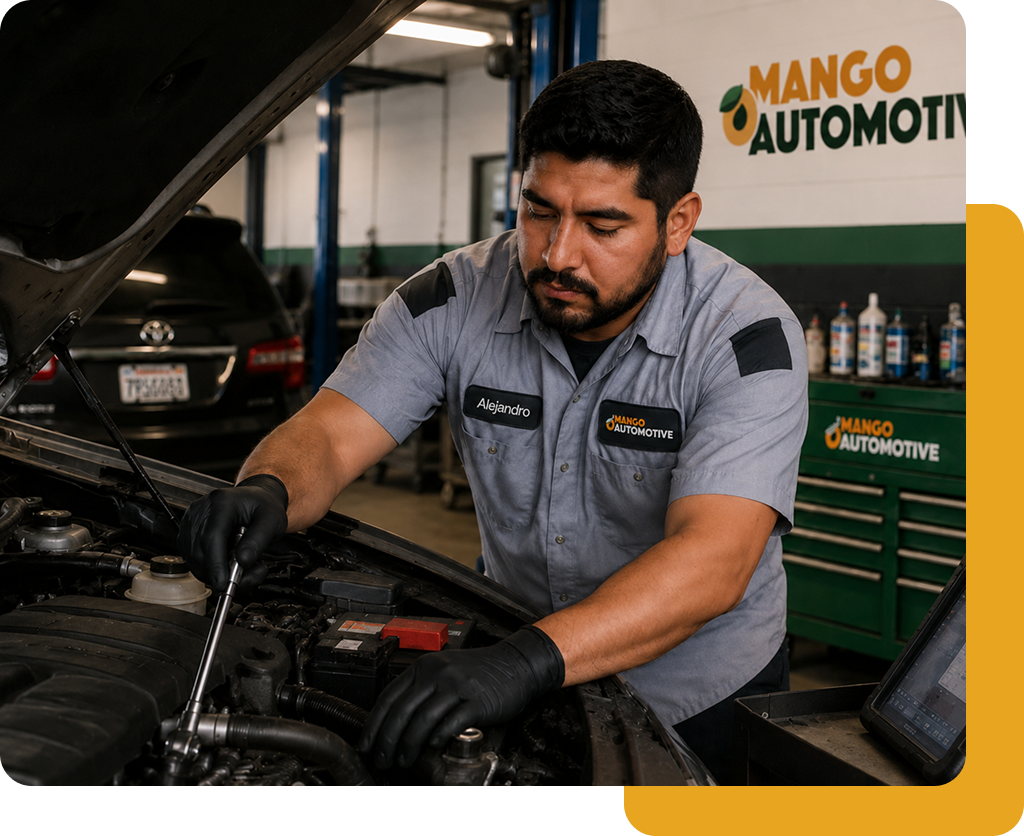
Old and New Vehicle Maintenance Differences, Explained by the Best Mechanic in The Heights, Albuquerque

Jesse Jackson • June 15, 2026

A vehicle built in 2003 and one built in 2023 may both need regular servicing, but what that service looks like is very different. Older vehicles rely on mechanical components that wear down gradually over time, while newer ones depend on electronic systems, software controls, and advanced sensors that require specialized tools and training to service correctly. Knowing the difference helps you avoid under-servicing your vehicle and paying for repairs your car does not actually need.


Mango Automotive serves drivers across Albuquerque and nearby areas with service that accounts for exactly these differences. Whether your vehicle is a high-mileage older model or a late-model car loaded with driver assistance technology, our certified mechanics in Albuquerque have the training and diagnostic equipment to service it correctly. This guide breaks down what changes between older and newer vehicles, what stays the same, and what to look for in any mechanic shop near you.

electronic recalibration for new vehicles in Heights Albuquerque

How Vehicle Design Changed Maintenance Requirements

Vehicles built before the early 2000s were primarily mechanical. Major service items included timing belts, distributor caps, carburetors, and spark plug wires. These components were visible, testable, and replaceable with standard shop tools.


Modern vehicles replaced nearly all of those parts with electronic equivalents. Fuel injection replaced carburetors. Coil-on-plug ignition systems eliminated distributor caps and plug wires. Electric power steering replaced hydraulic pumps and lines.


According to S&P Global Mobility, the average
age of vehicles on U.S. roads reached 12.6 years in 2024, which means most drivers are managing vehicles that sit somewhere between fully mechanical and fully electronic.


Each change improved performance and fuel economy, but it also made maintenance more software-dependent and less visible to the naked eye.


Maintenance Priorities for Older Vehicles

Older vehicles, generally those built before 2008, have longer, more predictable maintenance histories. Age introduces specific vulnerabilities that require proactive attention.


Timing Belt Service

Many older engines use rubber timing belts that must be replaced on a fixed schedule, typically every 60,000 to 100,000 miles, depending on the manufacturer. The timing belt keeps the engine's internal components synchronized. A failed timing belt causes immediate, severe engine damage in most vehicles that use an interference engine design.


Newer vehicles largely moved to metal timing chains, which are designed to last the life of the engine. Timing chains still rely on clean, properly viscous oil to function without premature wear. If you own an older vehicle and are unsure whether the timing belt has been replaced on schedule, a
mechanic shop near you can inspect it before the issue becomes a costly engine repair.


Cooling System Service

Coolant, the fluid that regulates engine temperature, becomes acidic over time. Acidic coolant corrodes internal aluminum and metal components. Flushing and replacing coolant every two to three years is a standard recommendation for older vehicles.


Water boils at a lower temperature at high altitudes, and Albuquerque's elevation of approximately 5,300 feet above sea level puts it squarely in that category. Proper coolant concentration matters more here than in lower-elevation cities, where cooling systems operate under less thermal stress.


Physical Component Inspection

Rubber components in older vehicles, including hoses, gaskets, drive belts, and seals, degrade with age regardless of mileage. A vehicle that sat unused for several years may show dry rot in hoses and belts, even with low odometer readings.


Brake lines, fuel lines, and exhaust components on older vehicles are more susceptible to corrosion. Visual inspections during routine service catch these issues before they result in fluid leaks or unexpected failures on the road.


Oil Type and Change Intervals

Most older vehicles were designed to run on conventional motor oil, which degrades more quickly than synthetic alternatives. Conventional oil typically requires changes every 3,000 to 5,000 miles. Using the manufacturer-specified oil weight and adhering to the correct change interval slows internal engine wear on high-mileage vehicles.


Maintenance Priorities for Newer Vehicles

Vehicles built from roughly 2010 onward generally come with longer factory‑recommended service intervals and fewer routinely scheduled replacement parts than older models. They also introduce new maintenance categories tied to electronic systems, software calibration, and advanced safety components.


Synthetic Oil and Extended Change Intervals

Newer vehicles typically specify full synthetic oil with change intervals ranging from 7,500 to 15,000 miles, depending on the manufacturer and driving conditions.


Using the wrong oil viscosity in a newer engine creates real problems. Variable valve timing (VVT) systems are electronic mechanisms that adjust when the engine's intake and exhaust valves open and close to improve efficiency. These systems rely on precise oil pressure and viscosity to operate. Incorrect oil thickness delays VVT response and causes hesitation during acceleration.


For example, a turbocharged engine that specifies 0W-20 full synthetic oil will not perform the same with 5W-30 conventional oil. The difference affects both VVT performance and turbocharger lubrication.


Electronic System Calibration After Repairs

Modern vehicles require software recalibration as part of regular service. After replacing a battery, completing brake work, or servicing the suspension, multiple electronic systems often need to be reset or recalibrated before they operate correctly.


Common examples include:


  • Tire Pressure Monitoring Systems (TPMS): Sensors in each wheel communicate with the vehicle's computer. After tire rotation or replacement, the system must be recalibrated to assign the correct sensor to each wheel position.
  • Steering Angle Sensors: After wheel alignment, the steering angle sensor, which tells the vehicle's stability control system where the wheels are pointed, requires a reset.
  • Advanced Driver Assistance Systems (ADAS): Features like lane departure warning and automatic emergency braking use cameras and radar sensors. These must be recalibrated after windshield replacement or front-end repairs.


A mechanic shop near you that invests in manufacturer-specific diagnostic equipment can perform these calibrations accurately. Generic scan tools cannot access the calibration functions built into these systems.


Battery and Electrical System Testing

Modern vehicles carry a heavier electrical load than older ones. Multiple control modules, electric power steering motors, active safety systems, and infotainment hardware all draw from the battery and charging system simultaneously.


Standard voltage testing is not sufficient for newer vehicles. Battery testing must include load testing, which measures how the battery performs under actual demand conditions
.


Vehicles equipped with stop-start technology use AGM (Absorbent Glass Mat) or EFB (Enhanced Flooded Batteries) batteries. Stop-start technology automatically shuts off the engine at traffic stops to reduce fuel consumption and restarts it when the brake is released. Many models require AGM batteries specifically due to their higher cycling demands. Installing a standard flooded lead-acid battery in a stop-start vehicle results in premature battery failure.


Some manufacturers also require the battery to be registered through the vehicle's computer after replacement, so the charging system adjusts its output correctly.


Brake Fluid Maintenance in Electronic Braking Systems

Modern ABS (Anti-lock Braking System) units, traction control systems, and electronic stability control all process brake fluid through hydraulic control modules with tight internal tolerances.


Brake fluid absorbs moisture from the atmosphere over time. Absorbed moisture lowers the fluid's boiling point and promotes internal corrosion inside hydraulic components.
Replacing brake fluid every two to three years protects ABS modules and related components from premature wear.


Cabin Air Filter Replacement

Older vehicles typically only require engine air filter replacement. Newer vehicles add a cabin air filter, a secondary filter located in the HVAC (Heating, Ventilation, and Air Conditioning) duct system. This filter removes dust, pollen, and debris before air enters the passenger cabin.


A clogged cabin air filter reduces airflow through the heating and cooling system and forces the blower motor to work harder, shortening the motor's service life.
Cabin air filter replacement is generally recommended every 15,000 to 25,000 miles, depending on driving conditions.


Each of these service categories requires equipment and training that goes beyond what a basic shop provides. That is why drivers with newer vehicles benefit from working with certified mechanics in Albuquerque who understand modern vehicle systems at a technical level.


Maintenance Items That Apply to Both Old and New Vehicles

Some service categories remain consistent regardless of vehicle age. These are the fundamentals that keep any vehicle running reliably.


Tire Rotation and Wheel Alignment

Uneven tire wear reduces handling capability and shortens tire life. Rotating tires every 5,000 to 7,500 miles distributes wear more evenly across all four tires.


Wheel alignment affects both tire wear and steering stability. Hitting a pothole or curb can knock alignment out of specification on any vehicle. Certified mechanics use computerized alignment equipment and checks for worn suspension components before making adjustments.


Brake System Inspection

Brake pads, rotors, and calipers wear at different rates based on vehicle weight, driving habits, and terrain. Albuquerque's hilly roads and frequent mountain driving create higher-than-average braking demands.


A thorough brake inspection covers pad thickness, rotor surface condition, caliper operation, and the condition of brake lines and hoses. Annual inspection is appropriate for most drivers in this area.


Transmission Fluid Service

Both older and newer transmissions benefit from periodic fluid changes. Older automatic transmissions typically use a dipstick to check fluid level and condition. Many newer transmissions are sealed from the factory and labeled as requiring lifetime fluid. Most manufacturers still recommend fluid replacement at intervals between 60,000 and 100,000 miles under normal operating conditions.


Degraded transmission fluid causes sluggish shifting, rough gear changes, and accelerated internal wear in both older and newer vehicles.


Mango Automotive handles all of these maintenance categories under one roof. For drivers searching for the
best mechanic in The Heights, our Comanche Road location offers the full range of routine and preventive services your vehicle needs.


Choosing the Right Shop for Your Vehicle

Older and newer vehicles require different equipment, training, and diagnostic approaches. A shop equipped only for basic oil changes and tire rotations cannot recalibrate ADAS sensors, register a new battery through a vehicle's control module, or diagnose a failing VVT system on a modern turbocharged engine. Working with certified mechanics in Albuquerque who are equally trained on older mechanical systems and newer electronic platforms makes a measurable difference in how accurately your vehicle is diagnosed and serviced.


What Sets Mango Automotive Apart

At Mango Automotive, our technicians service both older high-mileage vehicles and late-model cars with advanced electronic systems. Jesse Jackson, the owner, built this woman-owned business around clear answers, honest recommendations, and work that stands behind a warranty. Our customers notice the difference. A recent customer shared her experience:


"
Ladies! (and Gents) A Women-Owned and Operated vehicle repair shop! What a great experience. I was welcomed warmly and in such a cute shop. I recently bought a used car and wanted Mango to look at the transmission. Howie and his crew did a thorough check and performed an automatic transmission adaptive relearn for a reasonable price. Feels so good to go to an automotive shop where I feel safe as a woman, respected as a customer, given excellent service and a reasonable price as well as education regarding my vehicle. And let's not forget about the complimentary Lyft rides! Thank you, Mango!" - Joanne M.


Our Repair Warranty

We back qualified repairs with a warranty of up to 60 months or 60,000 miles (36 months/36,000 miles nationwide, plus an additional 24 months/24,000 miles at Mango Automotive locations). The warranty begins at the initial repair date. Exclusions apply, including engines, transmissions, brake pads, rotors, tires, control modules, and alignments. Parts warranty follows the manufacturer's policy.

software calibration for vehicles in the Heights Albuquerque

Schedule Service with Our Team

Whether your vehicle has 50,000 miles or 200,000 miles on it, the right maintenance plan keeps it running reliably and prevents avoidable repairs. Drivers looking for the best mechanic in The Heights can find Mango Automotive at our Comanche Road location. Call (505) 299-5011 to schedule service. We serve drivers throughout Albuquerque and nearby areas.


professional exhaust diagnostics and repair
By Jesse Jackson June 15, 2026
Albuquerque's altitude, UV exposure, and heat cycles wear exhaust systems fast. Learn the warning signs and get expert repairs at Mango Automotive The Heights.
pre-summer inspection Mango Automotive
By Jesse Jackson June 2, 2026
Prepare your diesel truck for Albuquerque's summer heat. Expert inspection tips for cooling, fuel, turbo, and drivetrain systems from Mango Automotive The Valley.
By Jesse Jackson June 2, 2026
Desert summers in The Valley don't mess around. When temperatures regularly climb past 100°F, your vehicle's air conditioning system becomes more than a comfort feature—it's a safety necessity. Understanding what goes into proper AC Maintenance in Albuquerque helps you avoid breakdowns during the hottest months and keeps repair costs manageable. Whether you're searching for reliable auto service and repair in The Valley, NM, or trying to understand why your cooling system needs attention before summer arrives, this guide walks through the inspection points, common failure modes, and maintenance timeline professionals follow to keep your cooling system running strong. At Mango Automotive (The Valley) , we've seen firsthand how early preparation prevents the frustration of a failed AC system during Albuquerque's most brutal weather.
By Jesse Jackson May 29, 2026
Albuquerque's climate puts vehicles through conditions that most maintenance schedules were never built to handle. High elevation, intense summer heat, low humidity, and strong UV radiation work on your vehicle simultaneously, creating wear patterns that drivers in moderate climates rarely deal with. At Mango Automotive , we have been servicing vehicles in Albuquerque since 2021, and the same weather-driven problems come up repeatedly. Batteries degrade ahead of schedule. Cooling systems push past their limits in summer. Air filters clog well before standard service intervals suggest they should. If you have been searching for a mechanic shop near you with firsthand knowledge of Albuquerque's climate, our team has been working with local vehicles long enough to know what this environment consistently does to them.
By Jesse Jackson May 29, 2026
Summer in Albuquerque is hard on vehicles. Temperatures push past 90 degrees, dust fills the air, and the A/C runs almost constantly. When the system stops blowing cold, it is easy to assume a recharge will fix it. But that quick assumption, without a proper inspection, often results in a temporary fix, a return visit, and a larger repair bill than necessary. Mango Automotive is a trusted auto repair shop in Albuquerque built around one standard: fix the actual problem, not just the symptom. Our team serves drivers throughout the Eagle Ranch and Westside areas with accurate diagnostics, experienced technicians, and repairs backed by industry-leading warranty coverage. That commitment to accuracy is what sets a reliable A/C service apart from a temporary fix, and it is the standard every driver deserves when bringing their vehicle in for care.
mango automotive precise diagnosis
By Jesse Jackson May 26, 2026
A check engine light needs more than a code scan. Mango Automotive's ASE-certified mechanics in Downtown Albuquerque diagnose the root cause and fix it right.
By Jesse Jackson May 26, 2026
Driving at high speeds puts every vehicle system under pressure, and the brake system feels it most. When brakes are applied repeatedly or held under sustained load, heat builds faster than it can escape. For anyone navigating the elevation changes and highway speeds common around Albuquerque, understanding this risk is a practical part of staying safe on the road. Mango Automotive (Downtown) has been providing auto repair in Downtown Albuquerque since 2021, with a team built around straightforward service and skilled technicians committed to getting every vehicle back on the road in safe condition. Highly trained technicians at our auto shop bring the same standard of care to every vehicle, whether it comes in for a quick inspection or a full brake service.
By Jesse Jackson May 26, 2026
If you drive an electric vehicle in Albuquerque, summer heat is one of the biggest threats to your battery's health. Temperatures in The Heights and across the city regularly climb past 90°F, with afternoon highs exceeding 100°F from late spring through September. That kind of sustained heat puts real stress on your EV's cooling system, the component responsible for keeping your battery at a safe operating temperature. When that system starts to fail, the effects show up as reduced range, slower charging speeds, and warning lights that seem to come out of nowhere. That is where having a trusted mechanic shop near you makes all the difference. At Mango Automotive , our mechanics are trained to diagnose and service EV thermal management systems. We have built a reputation as the best mechanic in The Heights for electric vehicle owners who want honest service backed by real technical expertise. From cooling system inspections to full thermal diagnostics, we are here to keep your EV running reliably through every New Mexico summer.
By Jesse Jackson May 26, 2026
Most major vehicle repairs do not start as major problems. They start as a noise, a warning light, or a fluid spot that gets put off one week, then another, until a manageable issue becomes a costly one. The right move is not to wait until something breaks down completely. Catching a problem early and bringing it to a qualified auto repair shop is always the lower-cost, lower-risk decision. Mango Automotive has served Albuquerque drivers since 2021, built around one simple principle: honest, quality auto repair that puts the customer first. Our technicians are trained to catch developing issues early, communicate findings clearly, and complete repairs that last. For drivers in The Heights and surrounding areas, we are the auto repair shop that treats every vehicle with the same level of care and attention, regardless of the size of the job.
By Jesse Jackson May 26, 2026
Diesel engines generate more combustion heat than gasoline engines due to their higher compression ratios. Those same ratios that give diesel vehicles their power and torque place continuous thermal demand on the cooling system with every drive. When cooling components begin to wear down, the engine is at risk of overheating, one of the most damaging mechanical failures a diesel vehicle can experience. Truck owners and fleet operators across Las Cruces know that a diesel engine is only as dependable as the systems that support it. At Mango Automotive & Diesel , our team has built a reputation for helping drivers stay ahead of the failures that come from deferred maintenance. Through years of hands-on diesel repair experience, we have seen cooling system neglect take engines from a minor service need to a full breakdown. This guide walks through how heat affects each major cooling component, what symptoms deserve immediate attention, and how staying ahead of wear protects the engine long term.
More Posts