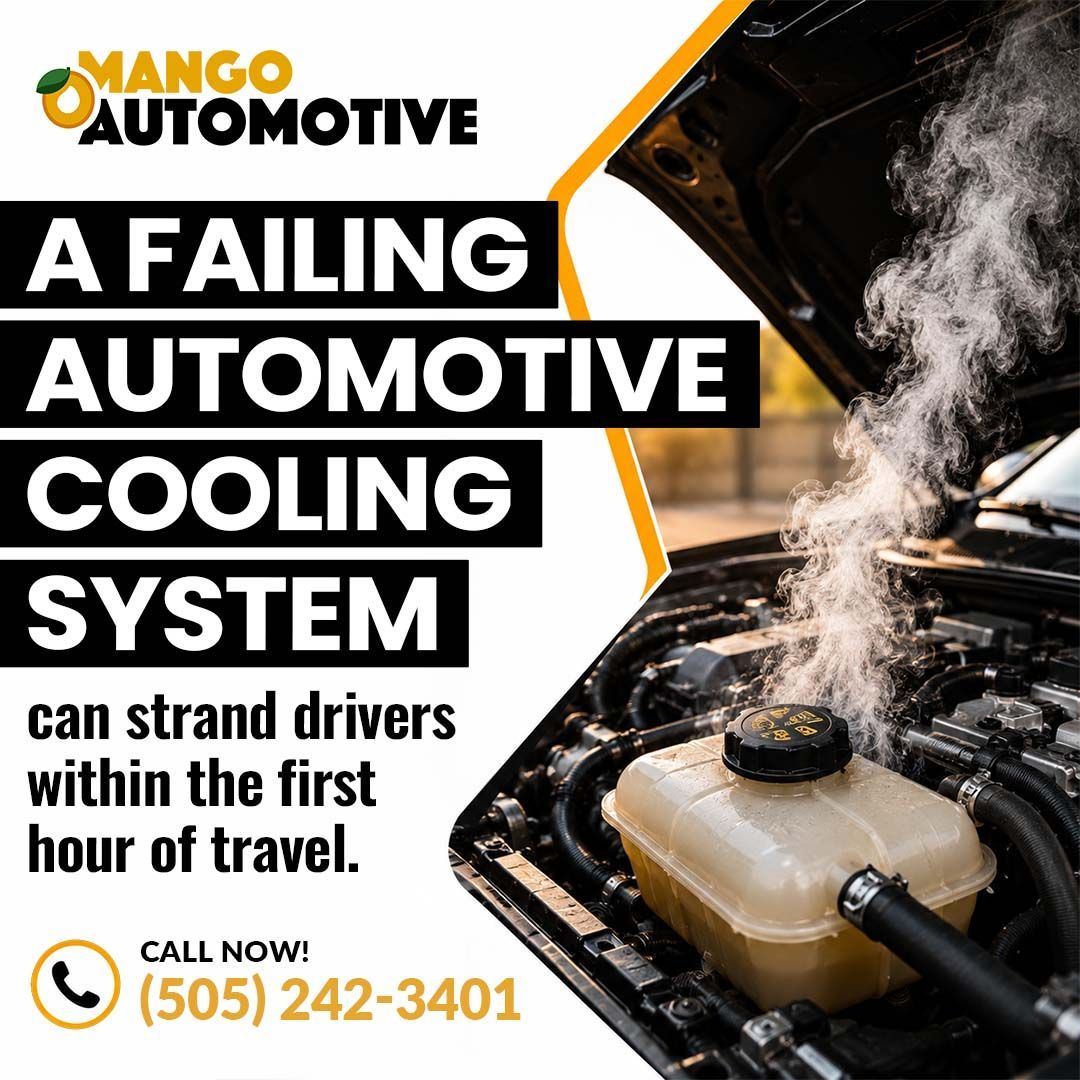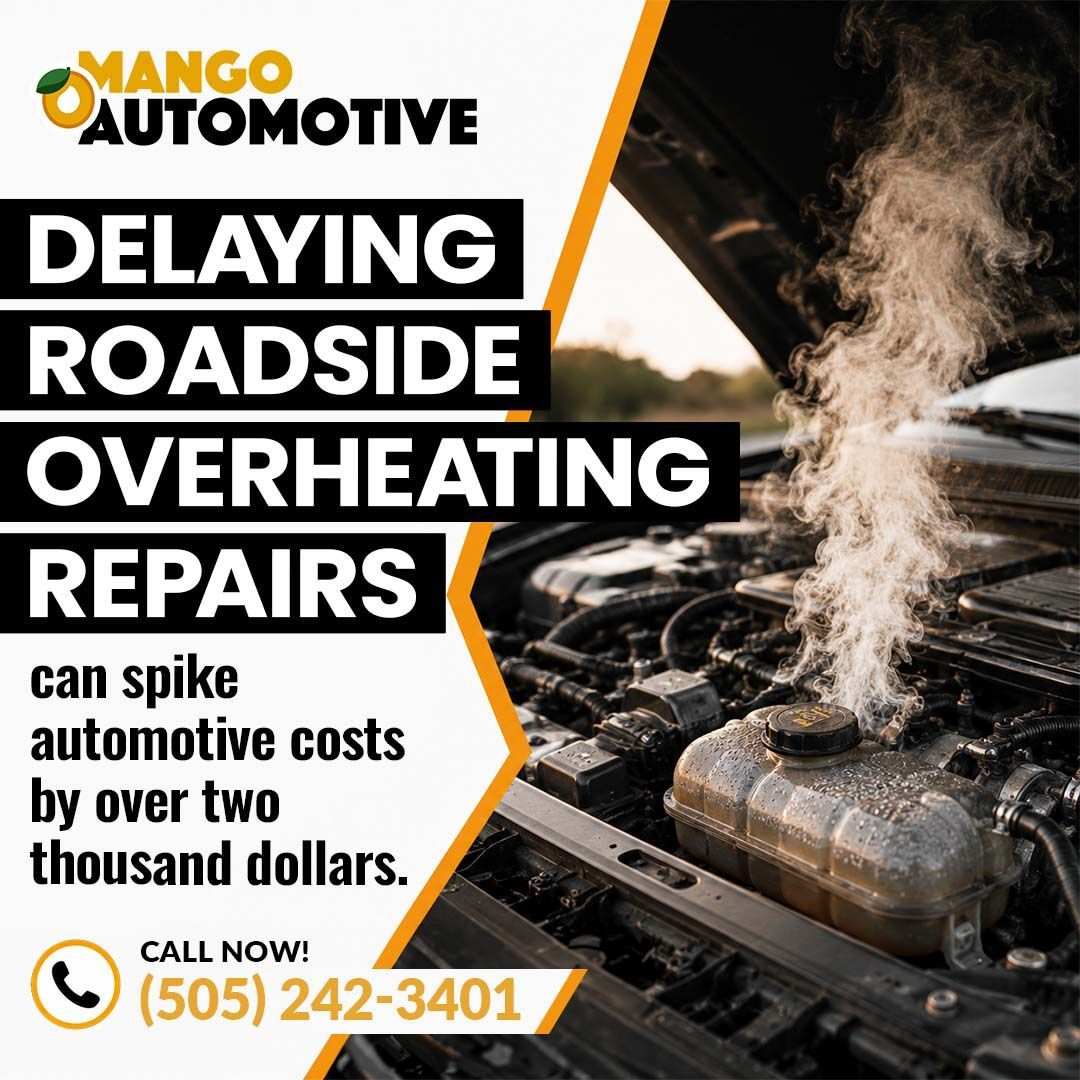
How Do I Know If My Highway Driving in East El Paso Is Quietly Overworking My Engine?
Long highway stretches put your engine under sustained heat and load that short trips never create. For East El Paso commuters driving toward Horizon City, that steady high-speed demand strains your cooling system, belts, and hoses over time. At
Mango Automotive, we see this pattern regularly and recommend long commute maintenance as the best way to stay ahead of it.

Why Does Highway Driving Put More Strain on My Engine Than I Realize?
Long commute maintenance starts with understanding what your engine actually goes through on a highway drive. Most drivers assume highway driving is easy in a vehicle. Still, sustained high-speed driving keeps your engine running at elevated temperatures for longer periods than stop-and-go trips ever do.
Your cooling system works continuously to manage that heat, and every component involved, including the water pump, radiator hoses, and serpentine belt, carries that load for the entire duration of your drive.
What Parts of My Engine Are Most at Risk During Long Highway Drives?
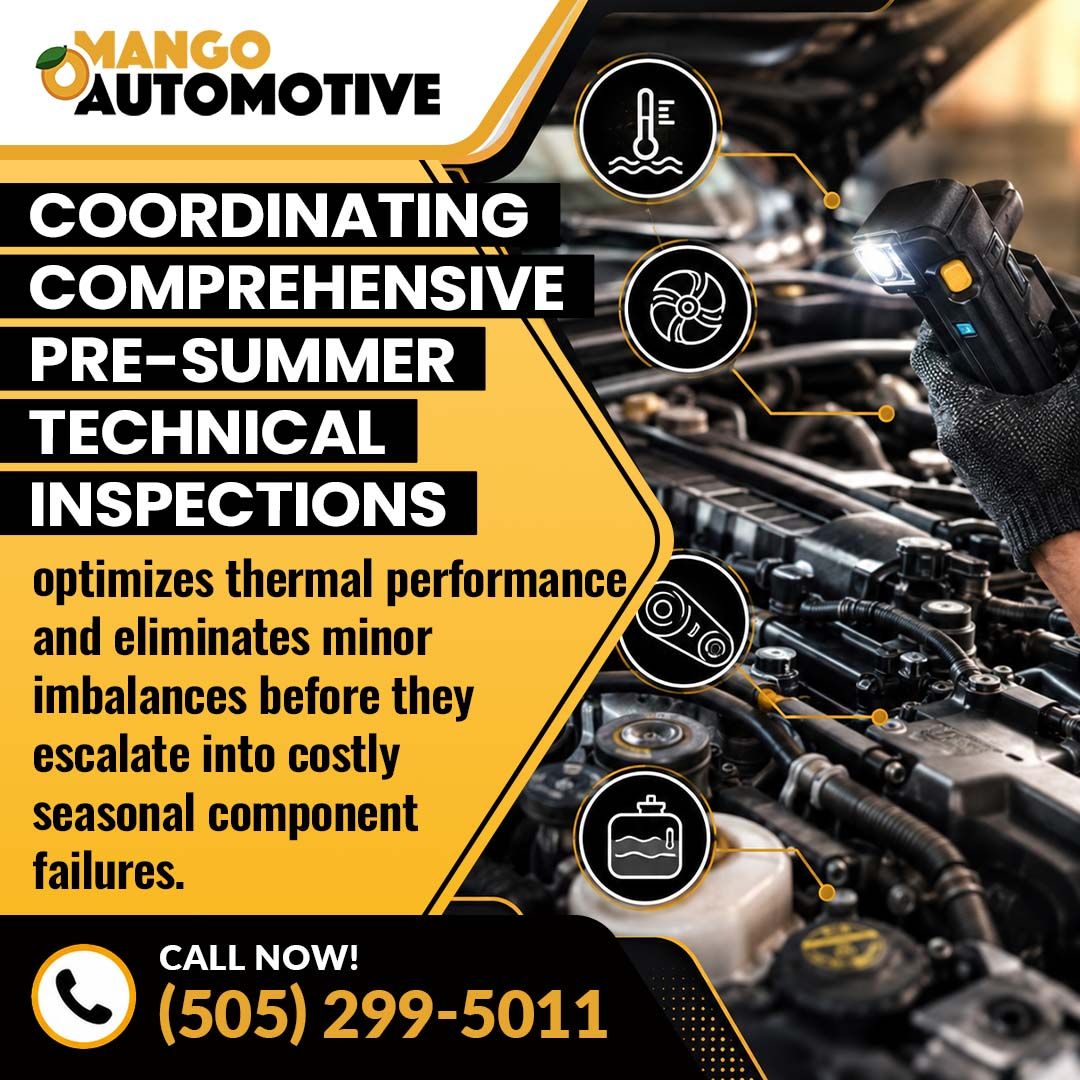
Drivers covering long highway stretches put specific parts under the most stress. Our team at Mango Automotive focuses on these during every inspection:
What We Check Every Time
- Serpentine belt: Heat and age cause rubber to crack and fray, which cuts cooling efficiency when your engine needs it most.
- Coolant hoses: Debris buildup or cracks prevent coolant from flowing freely, pushing engine temperatures into a dangerous range.
- Water pump: A worn pump loses the capacity to circulate coolant fast enough to keep up with sustained highway heat.
- Engine coolant: Fluid that has broken down can no longer transfer heat effectively, leaving your engine exposed during long drives.
What Warning Signs Tell Me My Engine Is Being Overworked on My Commute?
Watch for these signals, particularly after or during long highway drives:
- The temperature gauge climbing higher than normal or sitting near the red zone
- A sweet smell coming from under the hood, which can indicate a coolant leak
- Squealing or chirping sounds from the engine bay are often a sign of belt wear
- White smoke from the exhaust after a long drive
- The engine is taking longer than usual to cool down after parking
Any of these warrants a visit to an
auto repair shop before your next long commute.
Will Staying Current on Auto Repair Actually Protect My Engine?
Yes, AAA recommends checking belts and hoses as part of routine vehicle maintenance and identifies them as primary contributors to engine overheating when neglected. For drivers covering long highway distances daily, staying current on auto repair in East El Paso keeps those components from becoming a roadside emergency.
Frequently Asked Questions
How often should I have my cooling system checked if I commute long distances?
A cooling system inspection once a year is a reasonable baseline for highway commuters. If you drive in extreme heat regularly, leaning toward every six months gives you better protection against heat-related failures.
Can I damage my engine by ignoring a small coolant leak?
Yes. A slow leak at idle can become a fast leak under highway pressure. Low coolant levels leave your engine without adequate heat protection and can lead to warped cylinder heads or a blown head gasket, both of which are significantly more expensive repairs.
How do I know if my serpentine belt needs replacing?
Look for visible cracking, fraying, or a shiny glazed surface on the ribbed side of the belt. Any of these signs means the belt is close to failure and should be replaced before it leaves you stranded on the highway.
Get Your Engine Inspected at Mango Automotive
Your engine works harder than you think on a long East El Paso highway commute. Our team at Mango Automotive is ready to check your cooling system, belts, hoses, and water pump before small wear turns into a costly breakdown. Call us today at
(915) 594-8221 to find out what your engine needs before your next long drive.