How Neglecting Minor Repairs Leads to Expensive Auto Repair Shop Visits in Albuquerque
Most major vehicle repairs do not start as major problems. They start as a noise, a warning light, or a fluid spot that gets put off one week, then another, until a manageable issue becomes a costly one. The right move is not to wait until something breaks down completely. Catching a problem early and bringing it to a qualified auto repair shop is always the lower-cost, lower-risk decision.
Mango Automotive
has served Albuquerque drivers since 2021, built around one simple principle: honest, quality auto repair that puts the customer first. Our technicians are trained to catch developing issues early, communicate findings clearly, and complete repairs that last. For drivers in The Heights and surrounding areas, we are the
auto repair shop that treats every vehicle with the same level of care and attention, regardless of the size of the job.
How Minor Repairs Grow Into Major Problems
A vehicle is a network of connected systems. When one part begins to fail, it puts added stress on the components around it. That stress accelerates wear across the entire system, turning a single neglected repair into a chain reaction.
A worn brake pad damages the rotor. Low oil strains the engine. A deferred alignment accelerates tire wear and stresses suspension components. Each delay creates a new problem layered on top of the original one.
Bald tires, a check engine light, and sluggish brakes are among the most
frequently ignored warning signs
on the road. For most drivers, the delay comes down to a packed schedule, concern about cost, or the belief that the problem is not serious enough to address right away. That assumption is exactly what turns a straightforward service visit into a major repair job.
Minor Repairs That Commonly Escalate
Worn Brake Pads
Brake pads are consumable parts designed to wear down with regular use. As they thin out, they trigger a built-in warning: a high-pitched squealing sound when braking. That sound comes from a metal wear indicator, a small tab engineered into the pad specifically to alert the driver that replacement is needed.
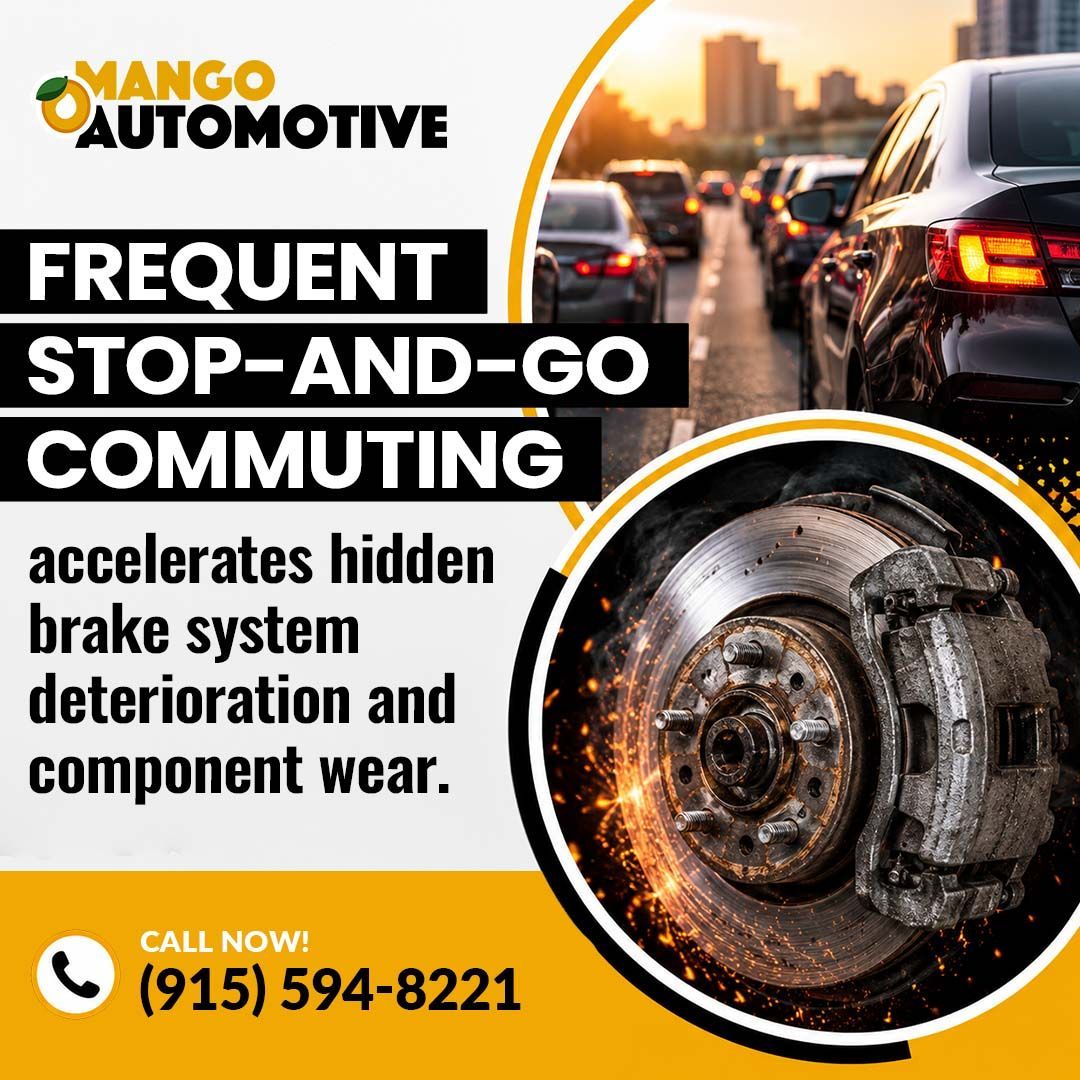
When brake pads are ignored past this point, the metal backing contacts the rotor directly.
Metal-on-metal contact gouges the rotor surface and often requires rotor replacement in addition to pad replacement. In more advanced cases, caliper damage follows. What begins as a straightforward pad swap becomes a multi-component brake system repair.
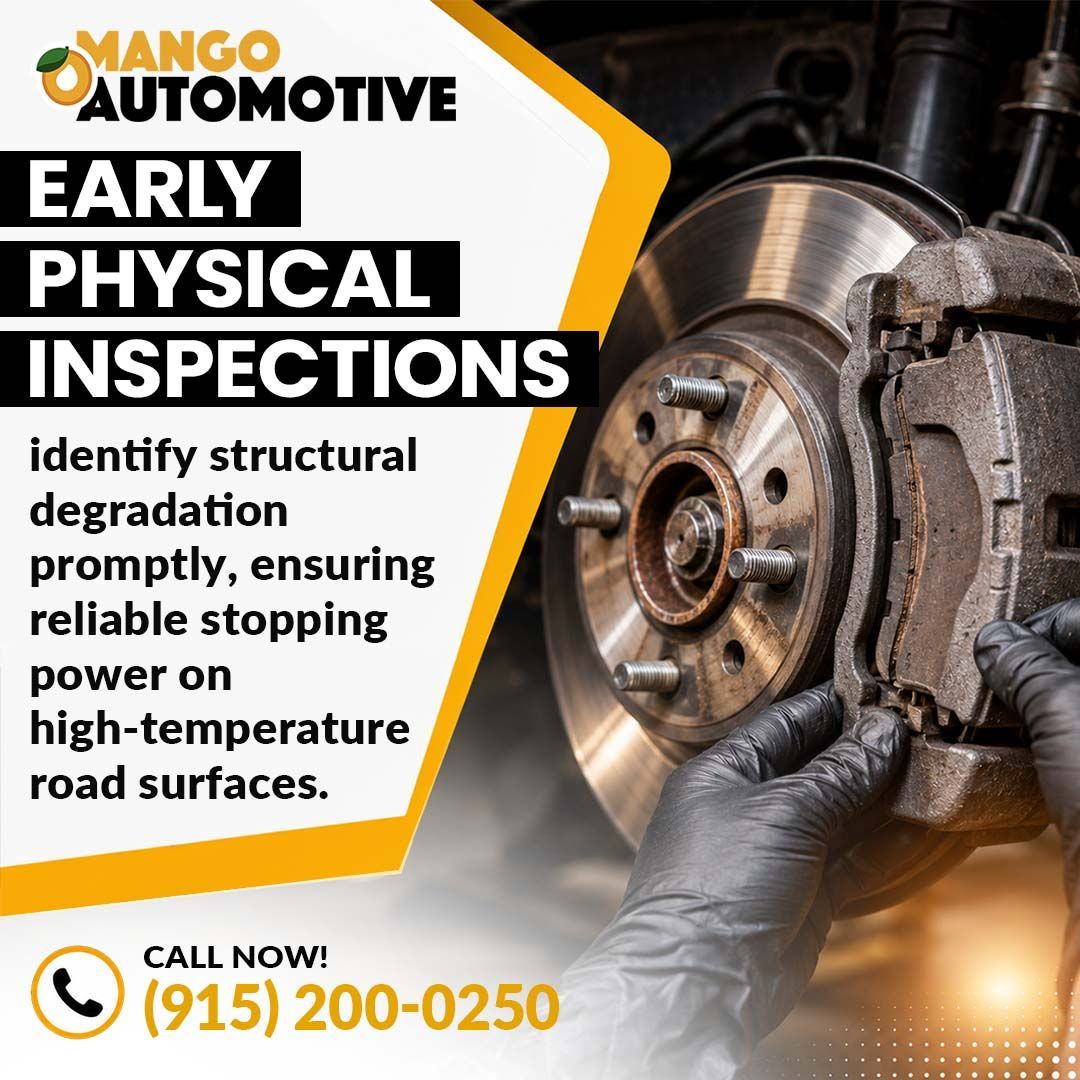
Routine brake checks at a car repair shop near you can catch this before it reaches that stage. Addressing the squeal promptly keeps the repair focused on the pads alone.
Deferred Oil Changes
Engine oil lubricates moving metal parts and regulates heat inside the engine. Oil loses its ability to protect the engine as it accumulates heat, dirt, and wear particles over time. When it runs low or becomes too degraded, metal components grind against each other, generating friction and heat that cause lasting internal damage.
Delaying an oil change does not just reduce engine performance. It accelerates internal wear that leads to serious engine damage over time.
Oil changes are one of the most routine services any auto repair shop provides. Keeping up with the recommended interval on your vehicle's maintenance schedule is one of the most effective ways to protect the engine long-term.
Neglected Coolant and Fluid Maintenance
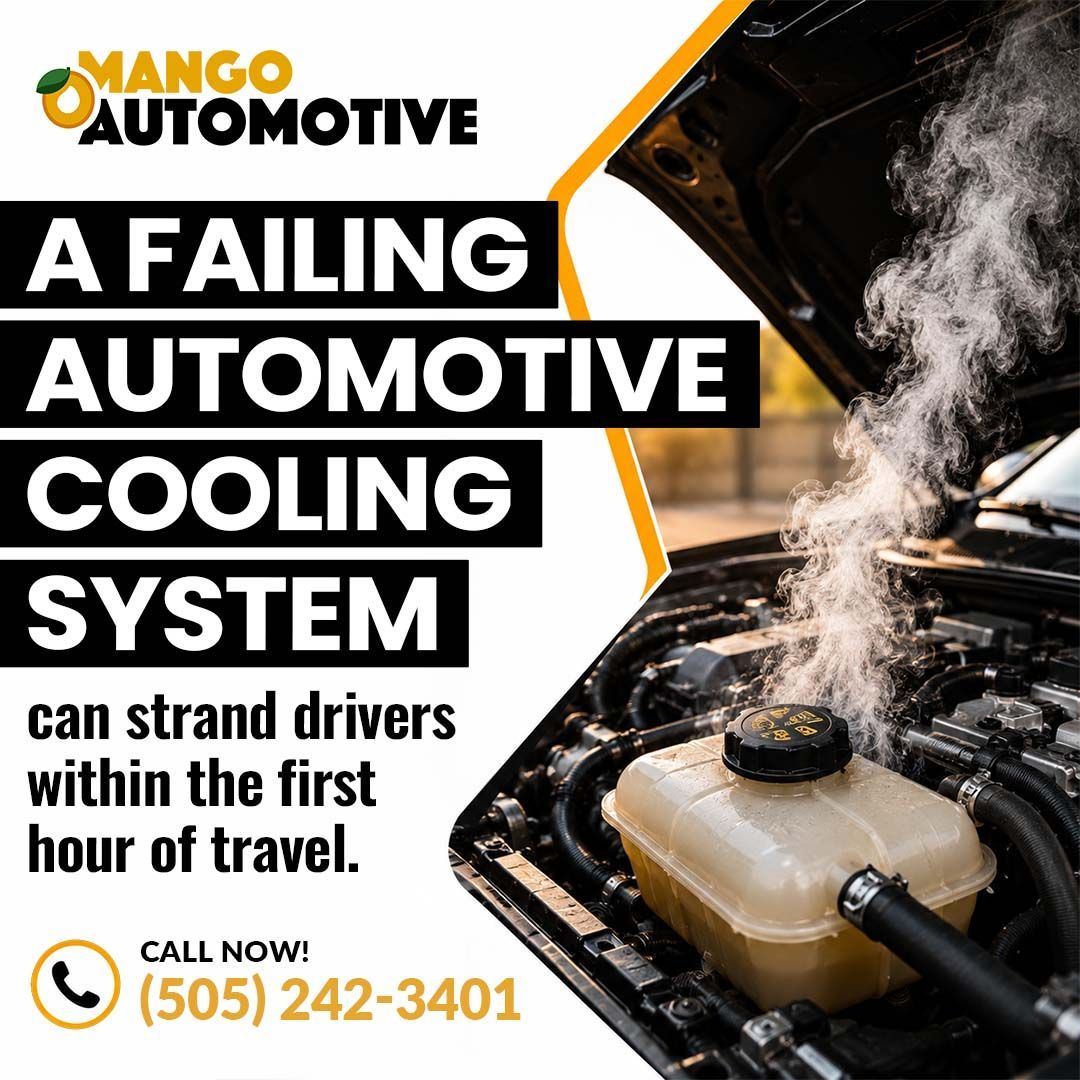
Coolant, also called antifreeze, regulates engine temperature and prevents overheating. Over time, it degrades and becomes less effective at regulating heat. Other fluids follow the same pattern. Transmission fluid, brake fluid, and power steering fluid all serve protective functions, and all break down with age and use.
When these fluids are overlooked, the systems they protect begin to deteriorate.
Low or degraded transmission fluid, for example, fails to lubricate and cool the transmission properly. This leads to accelerated wear inside the transmission, which is one of the most labor-intensive repairs a vehicle can require. A coolant flush or fluid exchange performed on schedule prevents the kind of damage that results from running systems on old, ineffective fluid.
Ignoring Dashboard Warning Lights
Dashboard warning lights exist to flag developing problems before they cause serious damage. Each light represents a specific sensor or system alert built into the vehicle's onboard diagnostic system, the network of computers that monitors engine, transmission, emissions, and safety functions.
The check engine light is one of the most frequently ignored warnings on the road, yet it is one of the most important to address promptly.
An engine misfire, for example, can trigger the check engine light. Left unaddressed, that misfire can damage the catalytic converter, the component responsible for filtering harmful exhaust emissions. Catalytic converter replacement is a far more involved repair than resolving the original misfire would have been.
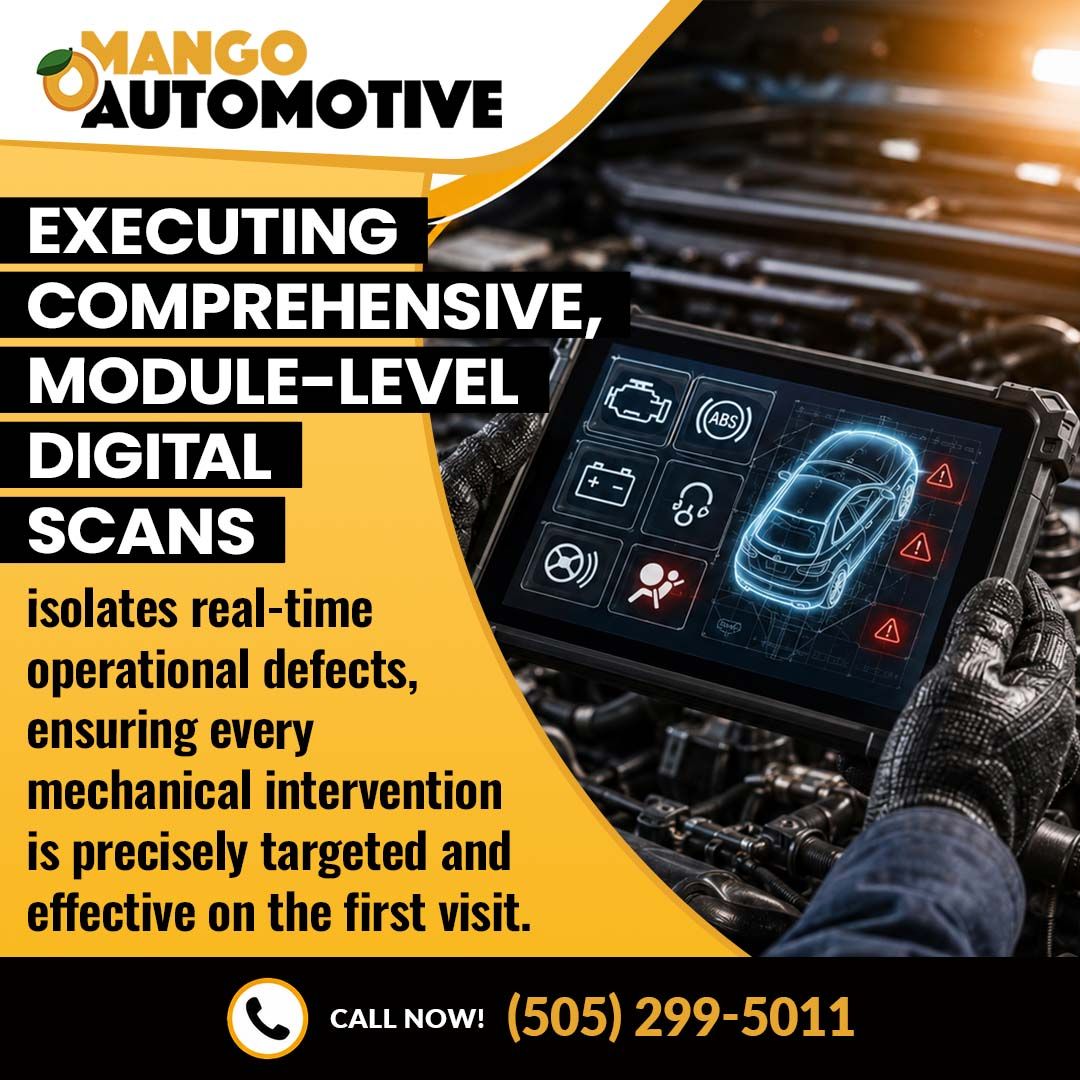
A diagnostic scan, where a technician connects a computer tool to the vehicle to read error codes from the onboard system, is a quick service. It identifies exactly what triggered the warning and allows the problem to be resolved before it compounds into something larger.
Deferred Wheel Alignments
Wheel alignment refers to the calibration of a vehicle's wheels so they sit perpendicular to the road and parallel to each other. When alignment is off due to a pothole, curb impact, or gradual wear, tires begin to wear unevenly, and the vehicle pulls to one side during driving.
Misalignment wears through tires faster than normal and puts consistent stress on shocks and struts, the suspension components responsible for absorbing road impact.
A routine alignment service, when deferred long enough, can lead to a repair that also involves new tires and suspension work.
Tire rotation is the process of repositioning each tire on the vehicle at scheduled intervals to promote even wear across all four tires. This distributes wear evenly across all four tires and extends their usable life. When rotations are skipped, certain tires wear down faster than others, reducing traction and increasing the risk of a blowout.
Uneven tire wear also throws off wheel balance, which places additional strain on steering and suspension components. A tire rotation is a brief, routine service. Skipping it accelerates the need for full tire replacement and can lead to added suspension repairs.
Small repairs become large ones when they are consistently pushed aside. Having a car repair shop near you that performs thorough inspections and communicates findings clearly is the most reliable way to stay ahead of issues before they grow.
Warning Signs That Warrant a Visit to a Car Repair Shop
Each of these signs points to a developing issue that will worsen without attention. None of them requires a breakdown before they are worth addressing.
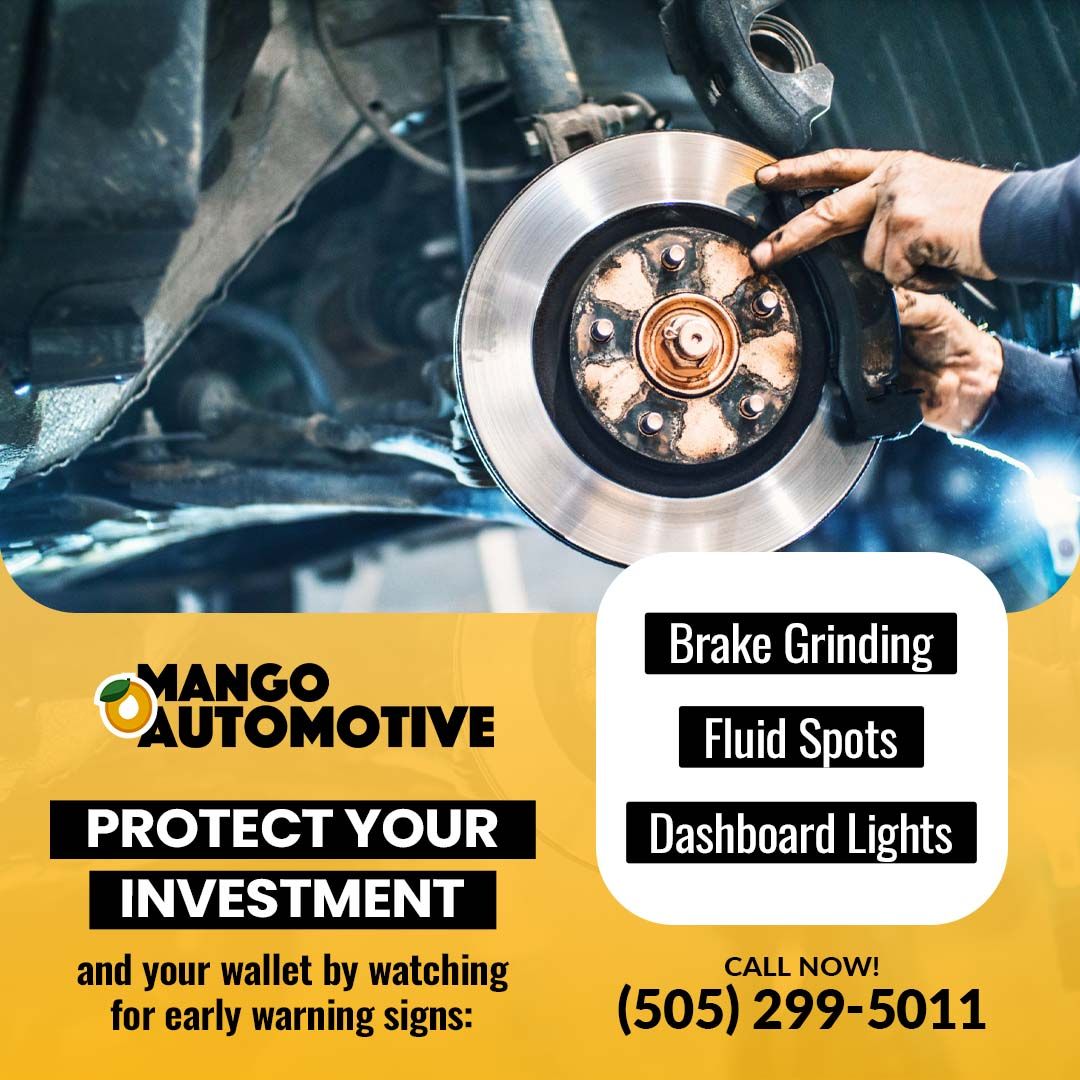
- Fluid spots under the vehicle, even small drips, signal a leak in the oil, coolant, or brake system.
- Squealing or grinding when braking indicates brake pad wear or rotor contact.
- The vehicle pulling to one side points to an alignment or tire pressure issue.
- Vibrations at highway speed are often related to tires, wheel balance, or suspension.
- A drop in fuel efficiency often points to spark plug wear, a restricted air filter, or a developing issue within the fuel system.
- Any illuminated dashboard warning light represents a specific system or sensor alert.
Addressing these warning signs early is the most direct way to prevent a minor issue from growing into a larger one. Mango Automotive provides auto repair in The Heights, Albuquerque, with the kind of thorough inspections and clear communication that keep small problems from becoming major repairs.
Frequently Asked Questions
How Often Should I Bring My Vehicle in for a Routine Inspection?
Most manufacturers recommend a general vehicle inspection at least once a year. However, if your vehicle is older, has higher mileage, or is driven in demanding conditions like Albuquerque's high desert climate, more frequent checkups are advisable. A routine inspection catches wear and developing issues before they affect other systems.
Does My Vehicle Still Need Servicing if It Seems to Be Running Fine?
Yes. Many developing issues do not produce noticeable symptoms in the early stages. Internal wear, fluid degradation, and component fatigue can all progress without any obvious sign until the damage is already done. Regular servicing at a trusted auto repair shop is the only reliable way to confirm your vehicle's condition.
What Is the Difference Between Scheduled Maintenance and a Repair?
Scheduled maintenance refers to services performed at set intervals to keep the vehicle in good working condition, such as oil changes, fluid exchanges, tire rotations, and filter replacements. A repair addresses a specific component that has already failed or is failing. Staying current on scheduled maintenance is what reduces the frequency and severity of repairs.
Will Skipping One Service Interval Really Make a Difference?
It depends on the service and the condition of the vehicle. For some services, a single missed interval has minimal immediate impact. For others, such as an oil change on a high-mileage engine or a brake inspection on worn pads, one missed interval can be the difference between a minor fix and a major repair.
How Do I Know if a Repair Is Urgent or Can Wait?
Any issue affecting braking, steering, or visibility should be addressed immediately, as these directly impact safety. Warning lights, fluid leaks, and unusual noises also warrant a prompt visit to a car repair shop near you. If you are unsure, the safest approach is always to have the vehicle inspected rather than waiting to see if the issue resolves on its own.
Auto Repair in The Heights, Albuquerque
Mango Automotive opened in 2021 with a clear purpose: to change how auto repair is done in Albuquerque. That means honest diagnostics, plain-language explanations, and repairs recommended only when they are genuinely required.
What to Expect at Our Shop
Our technicians perform thorough vehicle inspections and explain their findings before any work begins. Customers receive written estimates and a full breakdown of what was found, what it means, and what the available options are. No pressure. No surprises.
Auto repairs completed at our shop are backed by our warranty: 60 months/ 60,000 miles of total coverage, including 36 months/36,000 miles of nationwide protection plus an additional 24 months/24,000 miles exclusively at Mango Automotive locations. Heavy-duty vehicles receive a dedicated 24-month/24,000-mile local warranty. Exclusions apply, including engines, transmissions, brake pads, rotors, tires, and alignments.
Services We Provide
At Mango Automotive, our trained technicians handle a full range of vehicle needs, including A/C service, brake and suspension work, alignments, engine repairs, transmission services, and diagnostic work. We service domestic and foreign vehicles across gasoline, hybrid, and electric models.
From routine maintenance to more involved repairs, our team serves drivers looking for dependable
auto repair in The Heights,
Albuquerque.
Protecting Your Vehicle Starts With Acting Early
The most preventable auto repairs are the ones that began as minor issues. Every vehicle sends early signals when something needs attention. Responding to those signals promptly keeps repairs manageable, keeps your vehicle reliable, and protects your long-term investment.
If your vehicle has been showing any of the warning signs covered in this article, or if routine maintenance is overdue, the next step is simple.
Call Mango Automotive at
(505) 299-5011.
Our team serves drivers throughout The Heights, Albuquerque, and nearby areas. Schedule your service appointment today.