

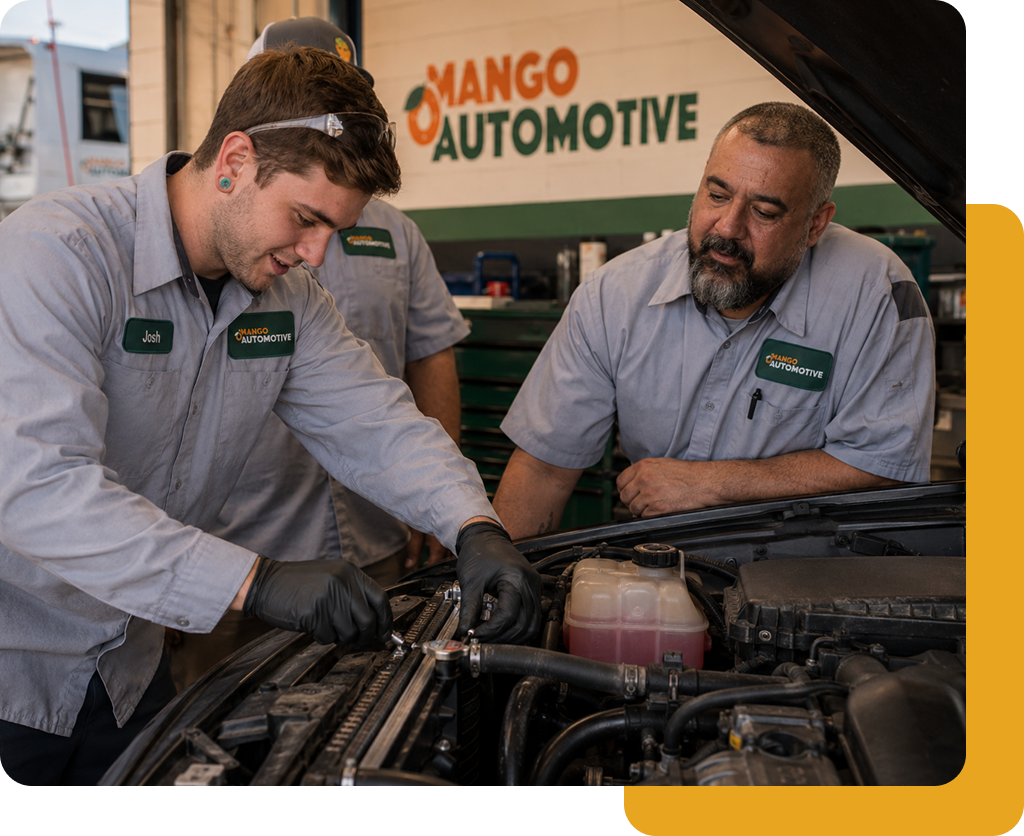
How a diesel repair shop goes from trouble codes to a confirmed cause: scan data, compression, fuel pressure, and injector tests before any repair.
Questions to ask a diesel repair shop about pricing, estimates, diagnostic fees, technician experience, and warranty terms before you book.
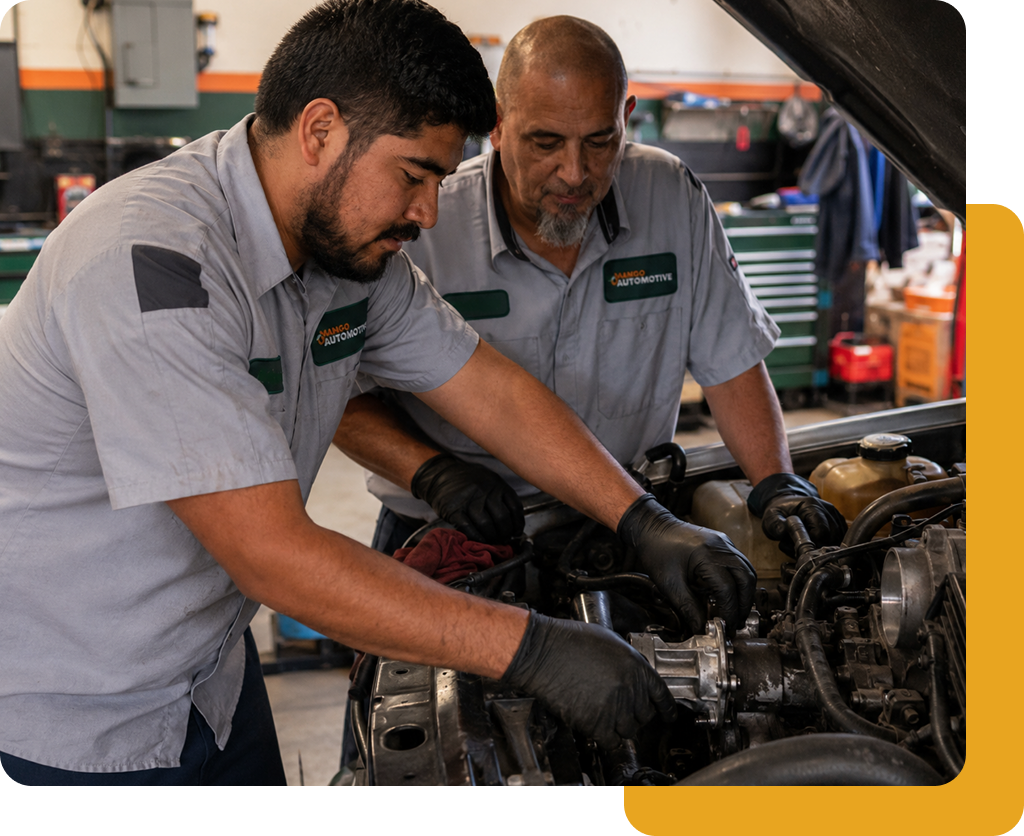
Detergent additives can limit injector deposits but can't fix wear. What deposits do, what additives can and can't help, and injector warning signs.
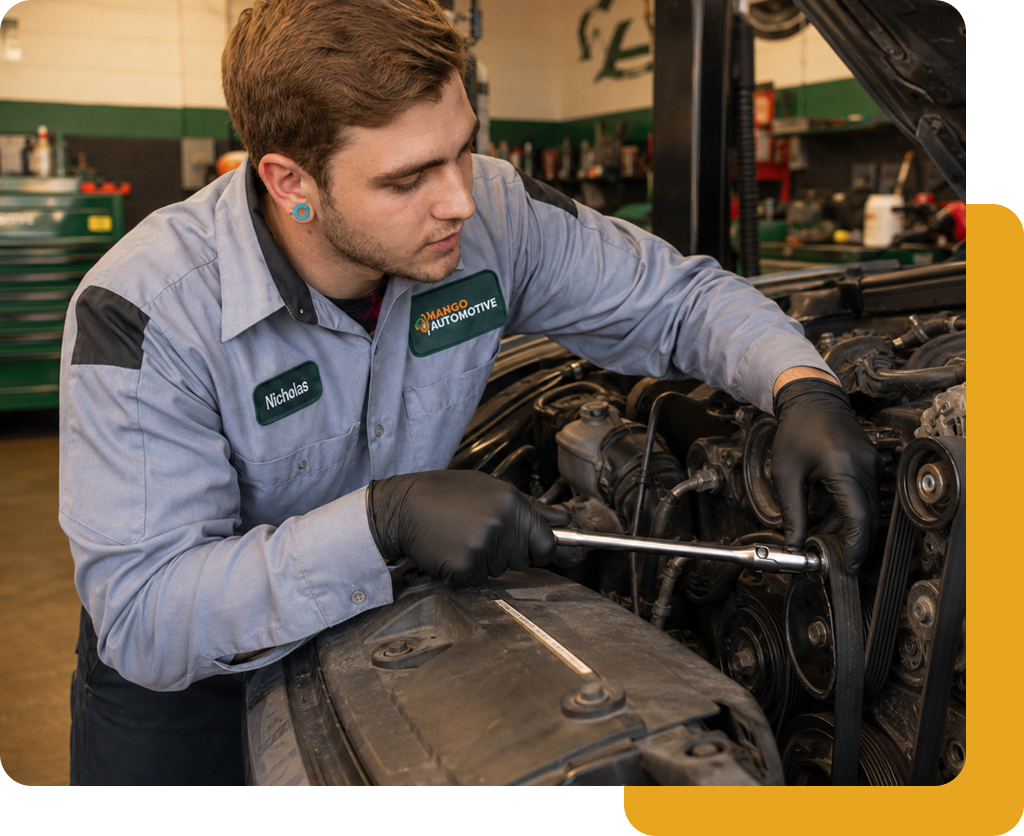
Which diesel fuel additives help, what the research shows, how Yuma's heat changes the picture, and when to see a diesel mechanic instead.
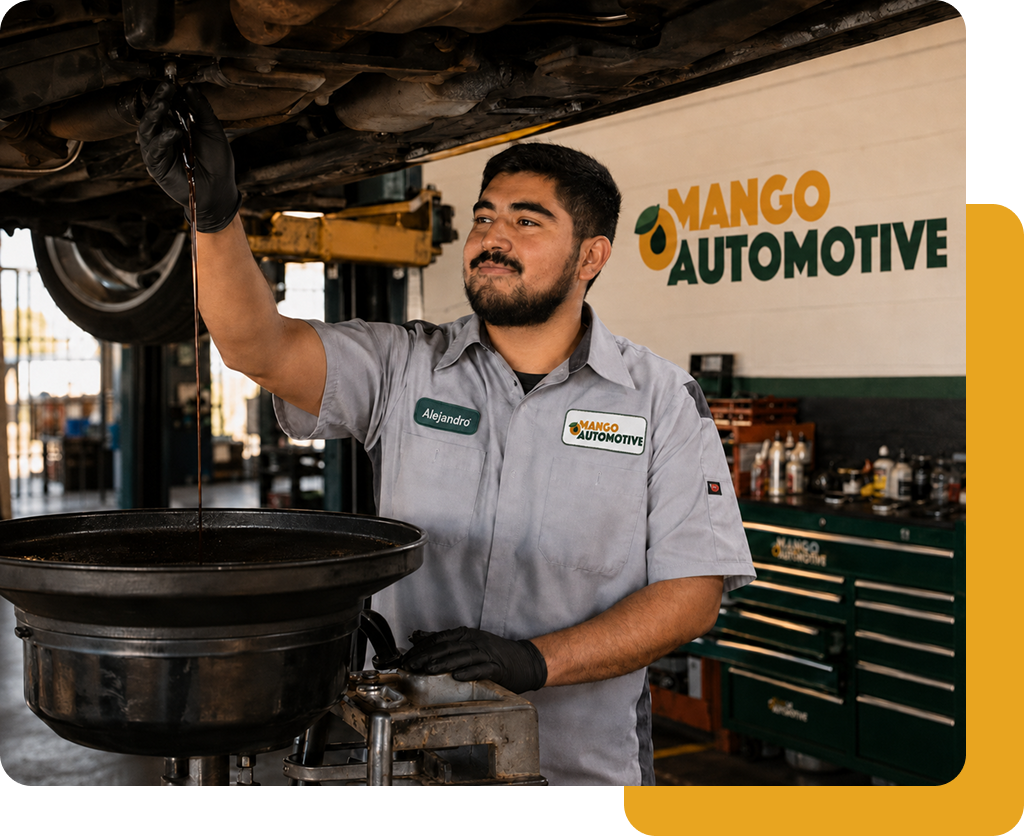
Why a diesel pickup leaks fuel only after a fill-up: fuel expansion, filler neck seals, cap gaskets, or a stuck vent valve. What to check first.
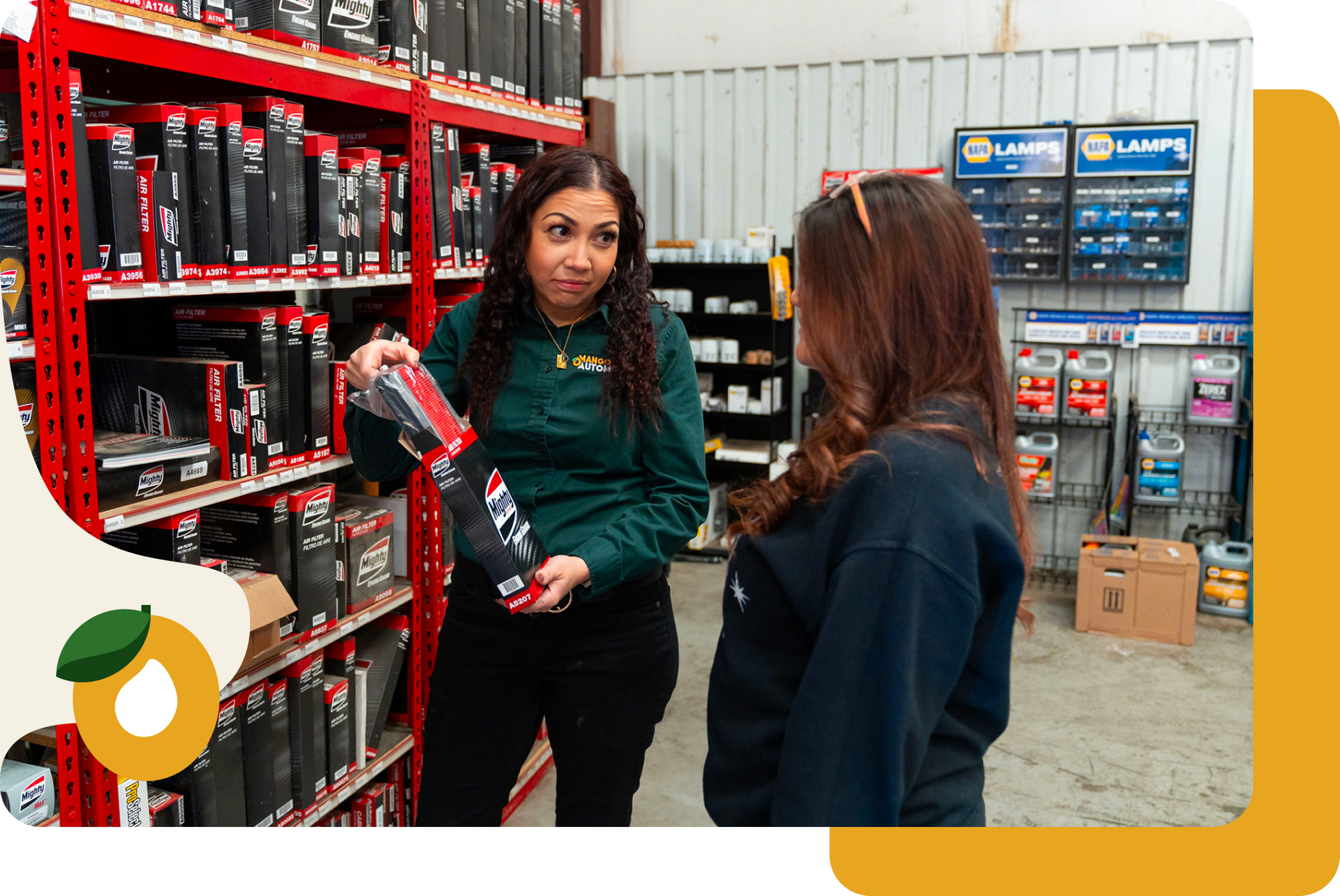
How to tell an electrical A/C fault from a refrigerant problem, why the two get confused, and how a proper A/C inspection in Las Cruces sorts it out.
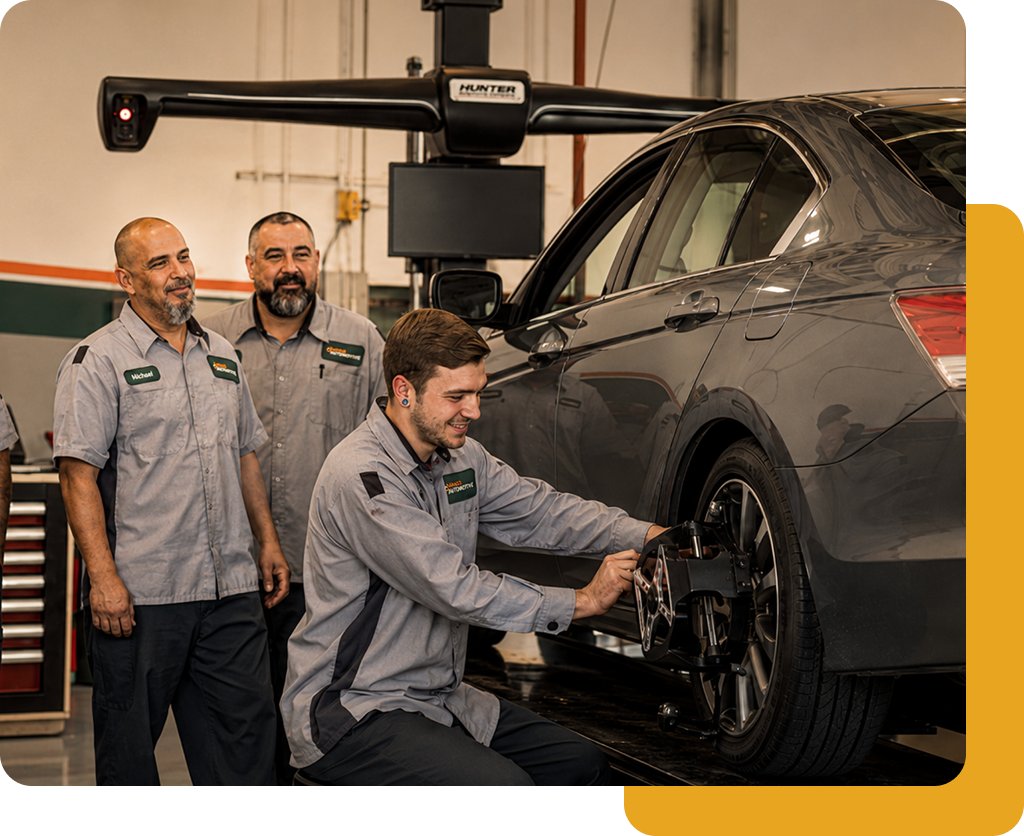
Identify a car fluid leak by color, texture, smell, and location: coolant, oil, brake, transmission, or power steering fluid. Checks in NW Albuquerque.
Power steering repair ranges from a fluid service to pump, belt, or rack replacement. How the right repair is diagnosed at our NW Albuquerque shop.
Stiff steering usually means low fluid, a failing pump, a slipping belt, or an electric power steering fault. How to tell fluid from pump problems.
How a diesel repair shop goes from trouble codes to a confirmed cause: scan data, compression, fuel pressure, and injector tests before any repair.
Questions to ask a diesel repair shop about pricing, estimates, diagnostic fees, technician experience, and warranty terms before you book.
Detergent additives can limit injector deposits but can't fix wear. What deposits do, what additives can and can't help, and injector warning signs.
Which diesel fuel additives help, what the research shows, how Yuma's heat changes the picture, and when to see a diesel mechanic instead.
Why a diesel pickup leaks fuel only after a fill-up: fuel expansion, filler neck seals, cap gaskets, or a stuck vent valve. What to check first.
How to tell an electrical A/C fault from a refrigerant problem, why the two get confused, and how a proper A/C inspection in Las Cruces sorts it out.
Identify a car fluid leak by color, texture, smell, and location: coolant, oil, brake, transmission, or power steering fluid. Checks in NW Albuquerque.
Power steering repair ranges from a fluid service to pump, belt, or rack replacement. How the right repair is diagnosed at our NW Albuquerque shop.
Stiff steering usually means low fluid, a failing pump, a slipping belt, or an electric power steering fault. How to tell fluid from pump problems.