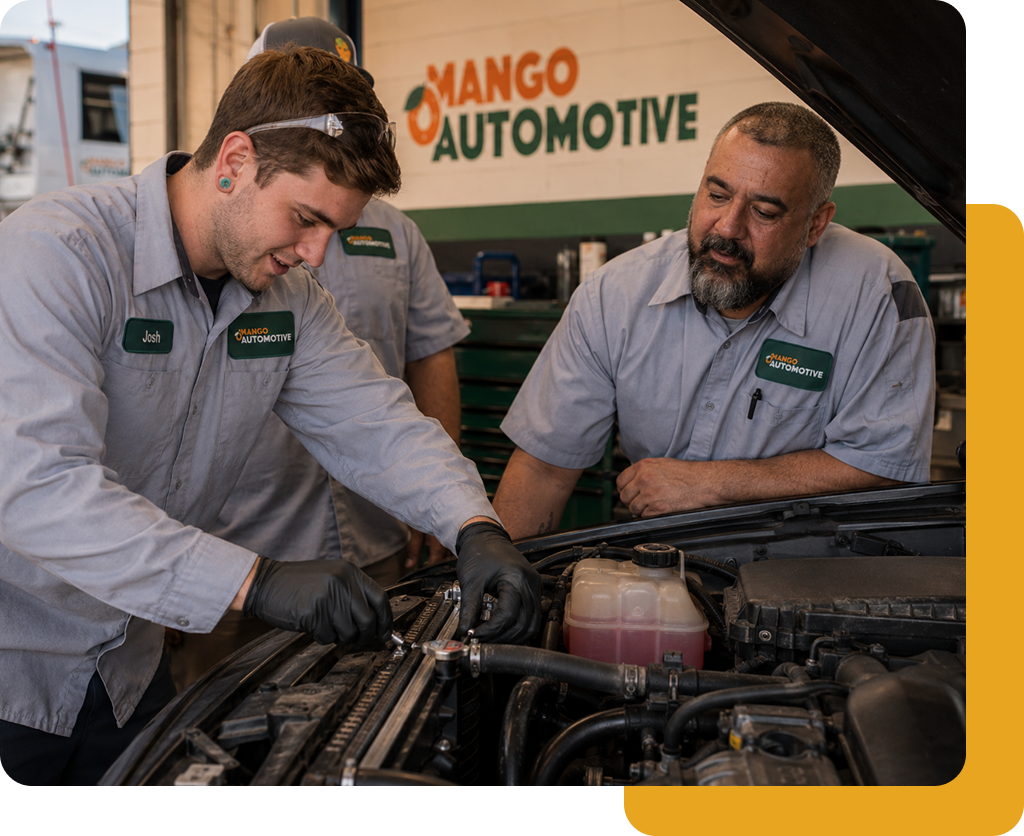
Catch Engine Problems Early with Professional Diagnostics at Car Repair Shops
Engine diagnostics represent one of the most valuable tools for preventing breakdowns and expensive repairs. Modern vehicles contain sophisticated computer systems that monitor hundreds of components in real time. When diagnostic testing is performed regularly, technicians can identify developing issues before they cause complete system failures, saving vehicle owners both time and money.
At
Mango Automotive & Diesel, we use advanced diagnostic equipment to detect engine problems in their earliest stages. Our Las Cruces team translates complex diagnostic data into clear repair recommendations. This article explains common engine problems detected through testing, and the benefits of catching issues early at a
car repair shop.

Modern Vehicle Diagnostic Systems Explained
Modern vehicles rely on Engine Control Units (ECU) that monitor engine performance through dozens of sensors. These sensors continuously measure temperature, pressure, airflow, emissions, and hundreds of other variables that affect how the engine runs.
When sensor readings fall outside normal parameters, the ECU stores Diagnostic Trouble Codes (DTC). These codes indicate which system is experiencing problems and provide technicians with starting points for testing.
OBD-II Systems and Data Collection
Since 1996, most vehicles have included OBD-II ports that allow diagnostic equipment to communicate with the ECU. This standardized system makes it possible for technicians to retrieve codes and monitor live data from any vehicle manufacturer.
OBD-II systems track engine operations continuously while driving. They record both current problems and intermittent issues that may not be actively occurring when the vehicle arrives for service.
Professional diagnostic equipment goes far beyond basic code readers. Advanced scan tools can monitor multiple sensors simultaneously, command individual components to activate for testing, and compare live data against manufacturer specifications.
Live Data Analysis and System Testing
At Mango Automotive & Diesel, our diagnostic process includes real-time monitoring of sensor data while the engine is operating. This live analysis detects problems that stored codes cannot identify on their own.
Our auto repair technicians observe how sensors respond under different conditions, like acceleration, idling, and load changes. Abnormal readings during specific operations point to components that function properly at rest but fail under stress.
Bi-directional communication allows our equipment to command various components to activate. This capability lets our
auto repair shop in Las Cruces test fuel injectors, ignition coils, and other parts without disassembly.
Common Engine Problems Detected Through Diagnostics
Diagnostic testing identifies problems across all major engine systems. Early detection prevents minor issues from damaging other components and causing chain reactions that lead to complete engine failure.
Ignition System Failures
Ignition problems cause misfires, rough idling, and reduced power. Diagnostic equipment pinpoints which cylinders are misfiring and whether the problem stems from spark plugs, ignition coils, or wiring.
Worn spark plugs: Create weak sparks that cannot properly ignite the air-fuel mixture. Diagnostic data shows misfire patterns that indicate spark plug condition across all cylinders.
Failing ignition coils: Produce intermittent misfires that worsen as components heat up during operation. Technicians use live data to monitor coil performance under various temperatures and loads.
Fuel System Problems
Fuel delivery problems affect engine performance, efficiency, and emissions. Diagnostic testing reveals issues with fuel injectors, fuel pumps, and pressure regulators before they cause engine damage.
Clogged fuel injectors: Create uneven fuel distribution across cylinders. Diagnostic equipment measures fuel trim values that indicate how the ECU compensates for these imbalances.
Weak fuel pumps: Cannot maintain proper pressure, especially during acceleration. Pressure readings from diagnostic tests identify pumps that still start the engine but cannot deliver adequate fuel under load conditions.
Sensor Malfunctions
Modern engines depend on accurate sensor data to adjust fuel delivery, ignition timing, and emissions control. Failed sensors send incorrect information that causes the ECU to make poor decisions about engine operation.
Mass airflow sensors: Measure incoming air volume and density. Dirty or failing sensors report inaccurate airflow, causing the engine to run too rich or too lean.
Oxygen sensors: Monitor exhaust gases to verify proper combustion. These sensors degrade over time, losing sensitivity and response speed. Diagnostic testing measures sensor performance against specifications.
Coolant temperature sensors: Tell the ECU when the engine is cold or hot. Incorrect temperature readings cause improper fuel enrichment and can result in overheating problems.
Emissions Control System Issues
Emissions systems include components like catalytic converters, EGR valves, and evaporative emissions controls. Problems in these systems trigger check engine lights and cause vehicles to fail emissions testing.
Catalytic converters: Break down over time, losing efficiency. Diagnostic equipment monitors converter performance by comparing oxygen sensor readings before and after the converter.
EGR systems: Recirculate exhaust gases to reduce combustion temperatures and emissions. Diagnostic testing measures EGR flow rates and valve operation to identify blockages or mechanical failures.
Regular diagnostic testing at a
mechanic shop near you helps catch engine problems early and avoid the inconvenience of unexpected breakdowns.
Early Warning Signs That Require Diagnostic Testing
The check engine light represents the most common indicator that diagnostic testing is needed. This light activates when the ECU detects problems with emissions, engine performance, or sensor operation.
Steady check engine light: Indicates stored codes that need investigation at an auto repair shop.
Flashing check engine light: Signals severe misfires that can damage the catalytic converter and require immediate attention.
Other warning lights: Oil pressure, temperature, and battery indicators also warrant diagnostic testing. Diagnostic equipment can identify the root cause of these warnings.
Performance Changes
Noticeable changes in engine performance indicate developing problems that diagnostic testing can identify. These changes may be gradual or sudden, depending on which components are failing.
Reduced acceleration or power: Suggests problems with fuel delivery, ignition, or air intake systems. Diagnostic data shows which system is underperforming and guides auto repair technicians toward the failing component.
Rough idling: Occurs when cylinders fire unevenly or when the air-fuel mixture is incorrect. Live data monitoring reveals misfire patterns and fuel trim adjustments that point to specific causes.
Unusual Engine Behavior
Strange noises, odors, or operational characteristics signal problems that need investigation. Diagnostic testing combined with physical inspection identifies issues that may not trigger warning lights.
Knocking or pinging sounds: Indicate abnormal combustion caused by improper ignition timing or carbon buildup. Diagnostic equipment monitors knock sensors and timing adjustments to determine causes.
Excessive exhaust smoke: Different colors point to specific problems. Blue smoke indicates oil burning, white smoke suggests coolant entering combustion chambers, and black smoke means a rich fuel mixture.
Benefits of Regular Diagnostic Testing
Scheduled diagnostic testing at your mechanic shop near you provides advantages beyond simply fixing current problems. This proactive vehicle maintenance approach prevents future issues and reduces total ownership expenses.
Preventing Major Repairs
Minor problems identified through diagnostic testing can be repaired before they cause damage to other components. This prevention saves money and avoids the inconvenience of unexpected breakdowns.
A failing oxygen sensor can be addressed before it damages a catalytic converter. Ignition problems that cause misfires can damage spark plug threads, ignition coils, and catalytic converters if left unaddressed. Cooling system problems detected through temperature sensor monitoring prevent overheating that can warp cylinder heads or blow head gaskets.
Maintaining Vehicle Performance
Regular diagnostic testing keeps engines running at peak efficiency. Small problems that reduce performance can go unnoticed until diagnostic data shows developing issues.
Fuel economy suffers when sensors drift out of calibration or when minor mechanical problems develop. Diagnostic testing identifies these efficiency losses and guides repairs that restore optimal fuel consumption.
Power output decreases gradually as components wear. Baseline diagnostic data provides comparison points that help identify when performance begins to decline.
Extending Engine Life
Catching problems early through diagnostic testing prevents the accumulation of damage that shortens engine life. This preventive strategy allows engines to achieve their expected operational lifespan.
Oil contamination detected through sensor monitoring indicates problems before they cause bearing wear or sludge buildup. Timing system problems identified through diagnostic codes allow for correction before components fail.
Overheating prevention through temperature monitoring protects critical engine components from heat damage. Diagnostic testing identifies cooling problems before temperatures reach destructive levels.
Combining Regular Service with Advanced Diagnostics
Diagnostic testing integrates with preventive maintenance programs to provide complete vehicle care. This combination catches existing problems while preventing future issues through regular service.
Scheduled Diagnostic Intervals
Regular diagnostic testing should occur at specific intervals based on vehicle age, mileage, and usage patterns. These scheduled checks identify developing problems between major service appointments.
Vehicles driven in severe conditions like stop-and-go traffic, extreme temperatures, or dusty environments benefit from more frequent diagnostic testing. Older vehicles with higher mileage need diagnostic testing more often as components age and wear.
At car repair shops that offer complete maintenance services, diagnostic testing is included with major service intervals. This integration provides both current problem identification and preventive maintenance in one visit.
Maintenance-Related Diagnostics
Routine maintenance procedures create opportunities for diagnostic testing that reveals problems unrelated to the original service reason. This expanded inspection prevents future breakdowns.
Oil changes include diagnostic scans that check for engine codes and monitor sensor operation. Problems detected during these quick scans can be addressed before they worsen. Similarly, tire rotations and brake inspections provide opportunities to check ABS and traction control systems through diagnostic equipment. Air filter replacement service includes checking the mass airflow sensor operation and intake system integrity.
Finding a mechanic shop near you that combines routine maintenance with diagnostic testing provides the most effective approach to preventing engine problems and extending vehicle life.
Mango Automotive & Diesel: Las Cruces Engine Diagnostic Specialists
Mango Automotive & Diesel provides complete diagnostic services using the latest equipment and trained technicians. Our auto repair shop in Las Cruces serves drivers throughout southern New Mexico with accurate problem identification and repair.
Advanced Diagnostic Equipment
Our professional-grade diagnostic tools provide capabilities beyond basic code readers. These tools connect to all vehicle systems and monitor hundreds of data parameters simultaneously.
Manufacturer-specific software allows our technicians to access all features and systems in domestic and foreign vehicles. Regular equipment updates keep our diagnostic tools current with new vehicle technologies.
Experienced Technician Training
Our auto repair team receives ongoing education on diagnostic procedures and new vehicle technologies. This training means technicians understand how to interpret diagnostic data and apply it to solve problems.
Diagnostic skills develop through experience with different vehicle makes, models, and problem types. Continuing education programs keep our staff current with changes in automotive technology.
Complete Repair Capabilities
Beyond diagnosis, we perform all necessary repairs to address identified problems. This integrated service eliminates the need to take vehicles to multiple facilities for diagnosis and repair.
Our parts inventory and supplier relationships provide access to quality components for repairs. Warranty coverage on parts and labor protects customers from defects and verifies that repairs are performed correctly.

Get Professional Diagnostics in Las Cruces
Diagnostic testing forms the foundation of modern vehicle maintenance and repair. Early problem detection through professional diagnostics prevents major repairs, maintains performance, and extends engine life. The systematic approach used at car repair shops combines electronic data with physical inspection to identify root causes rather than symptoms.
Regular diagnostic testing integrates with preventive maintenance to provide complete vehicle care. This approach helps drivers avoid unexpected breakdowns and expensive repairs while keeping vehicles running reliably. At Mango Automotive & Diesel, we combine advanced diagnostic equipment with experienced technicians to deliver accurate problem identification and quality repairs.
Call us at
(575) 221-9941 to schedule your diagnostic appointment today. Our auto repair shop in Las Cruces helps to keep your vehicle running smoothly with professional diagnostic services and expert repairs. Mango Automotive & Diesel serves drivers throughout southern New Mexico with honest service and clear communication about your vehicle's needs.