
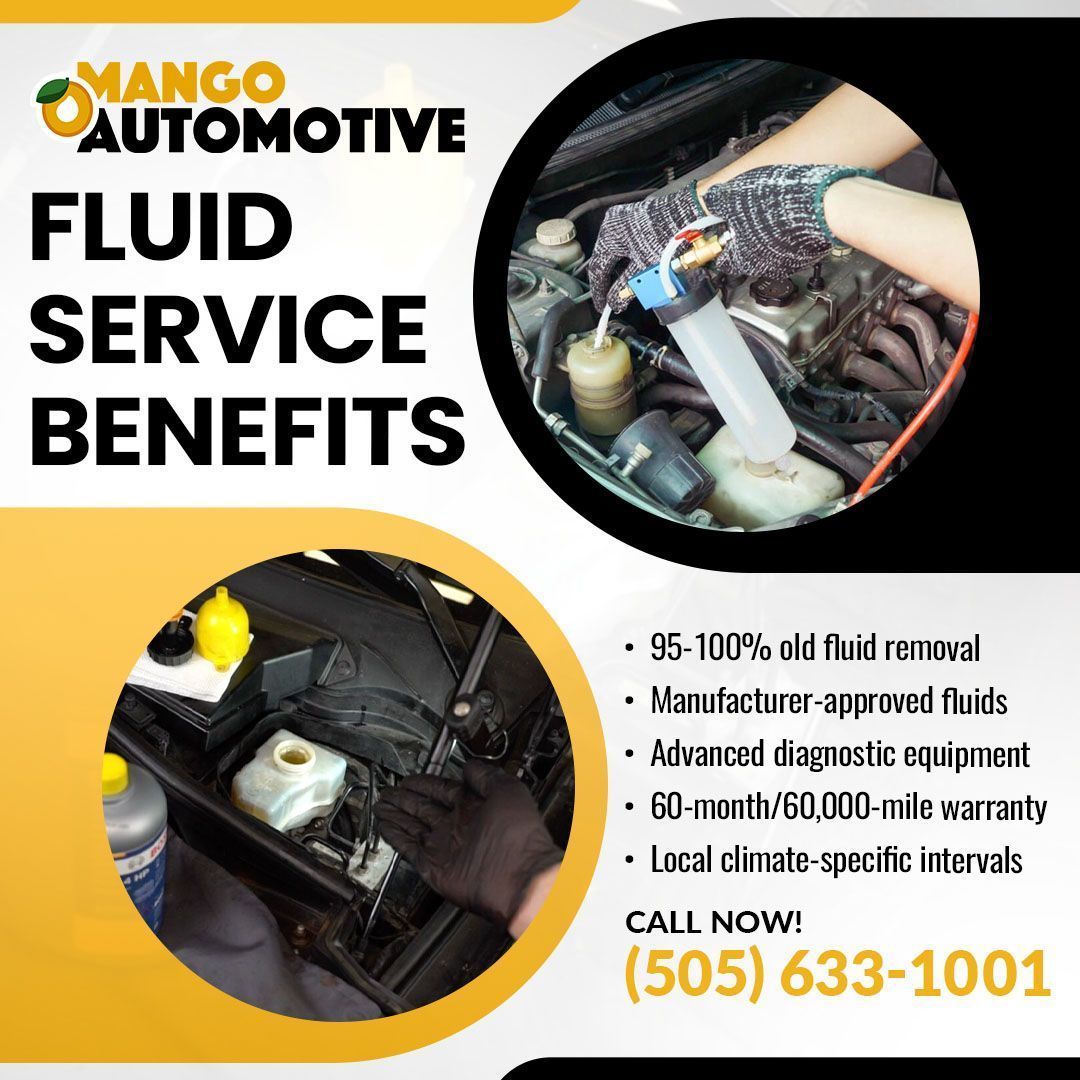
Car leaking fluid? Color is a first clue to brake fluid, coolant, fuel or oil. Which leaks are urgent, and where to get help near Eagle Ranch.

Slipping, late shifts or fluid leaks from a diesel transmission? Why it isn't safe to keep driving and when to call a diesel mechanic in Las Cruces, NM.
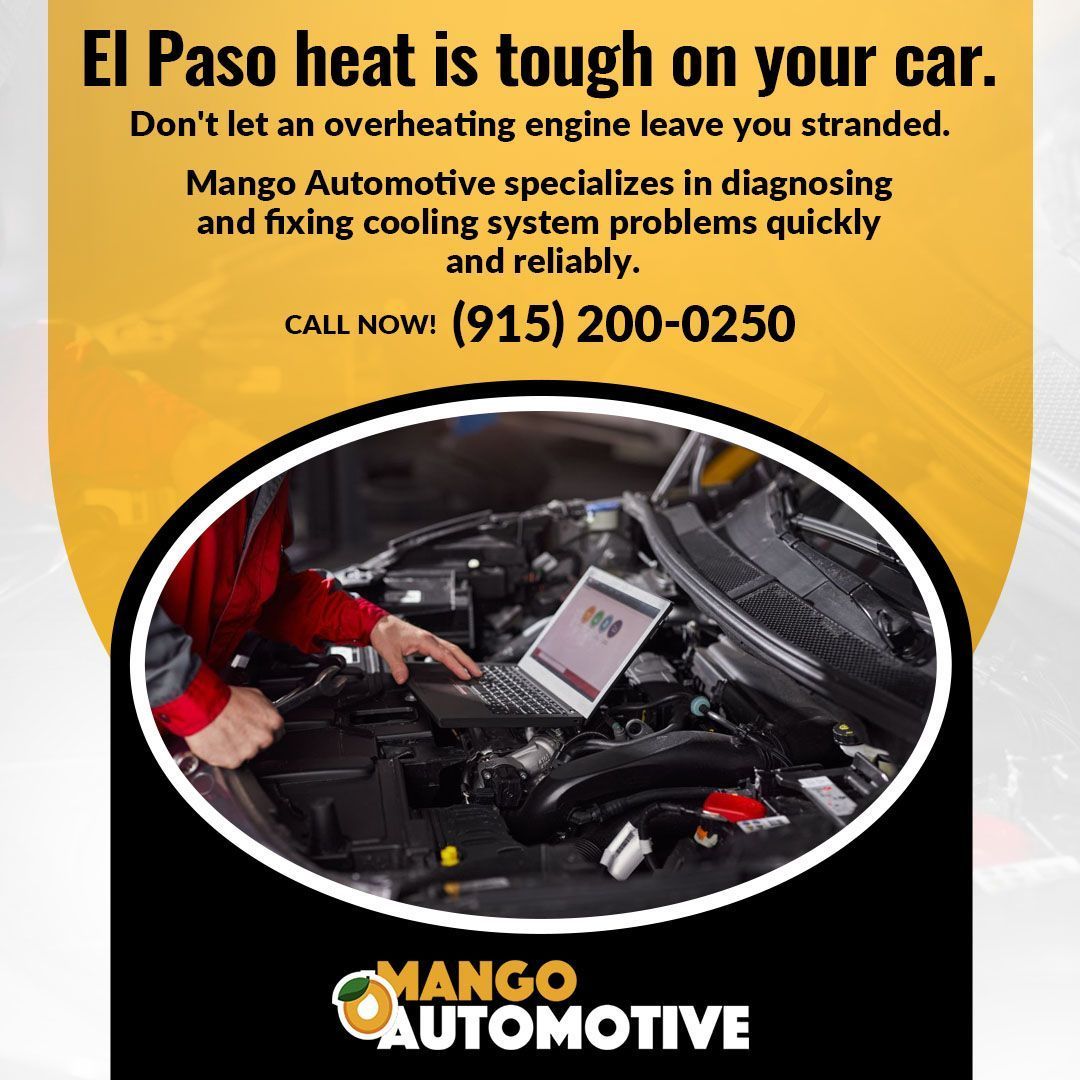
Bad alternator symptoms: dim lights, a battery that keeps dying, a whine that follows engine speed. How to tell it from a bad battery in El Paso.

Still overheating after adding coolant? A stuck thermostat, failing water pump, clogged radiator or hidden leak may be why. How East El Paso shops check.

Get your car's A/C ready before the heat hits: simple checks and service tips from Mango Automotive's mechanics in the North Valley.

How Albuquerque's sun, monsoon dust and winter swings affect your car, and what to check, from the mechanics at Mango Automotive Eagle Ranch.
How failing MAF, MAP, crankshaft and NOx sensors change diesel engine performance, the symptoms to watch for, and where to get diagnostics in Las Cruces.
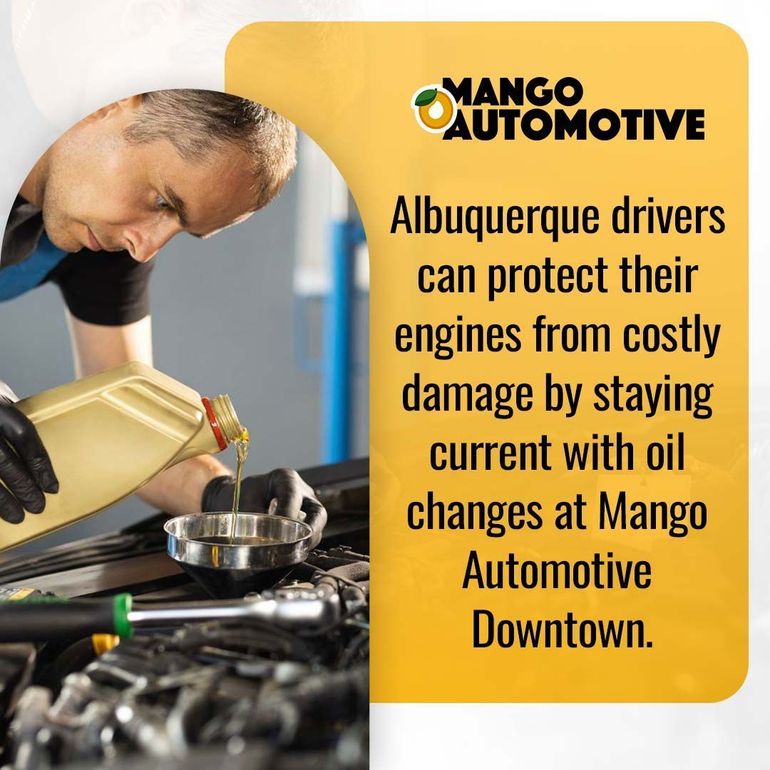
Dark gritty oil, an oil light, ticking at start-up: the signs an oil change is overdue, how often to change it, and what waiting costs your engine.

Whining, clunking or groaning when you turn: what each steering noise means, which ones are dangerous, and when to book an inspection near Central Ave SW.
Car leaking fluid? Color is a first clue to brake fluid, coolant, fuel or oil. Which leaks are urgent, and where to get help near Eagle Ranch.
Slipping, late shifts or fluid leaks from a diesel transmission? Why it isn't safe to keep driving and when to call a diesel mechanic in Las Cruces, NM.
Bad alternator symptoms: dim lights, a battery that keeps dying, a whine that follows engine speed. How to tell it from a bad battery in El Paso.
Still overheating after adding coolant? A stuck thermostat, failing water pump, clogged radiator or hidden leak may be why. How East El Paso shops check.
Get your car's A/C ready before the heat hits: simple checks and service tips from Mango Automotive's mechanics in the North Valley.
How Albuquerque's sun, monsoon dust and winter swings affect your car, and what to check, from the mechanics at Mango Automotive Eagle Ranch.
How failing MAF, MAP, crankshaft and NOx sensors change diesel engine performance, the symptoms to watch for, and where to get diagnostics in Las Cruces.
Dark gritty oil, an oil light, ticking at start-up: the signs an oil change is overdue, how often to change it, and what waiting costs your engine.
Whining, clunking or groaning when you turn: what each steering noise means, which ones are dangerous, and when to book an inspection near Central Ave SW.