
Rumbling, hissing, cabin fumes, poor fuel economy, or a check engine light may signal a need for exhaust system repair in downtown Albuquerque.
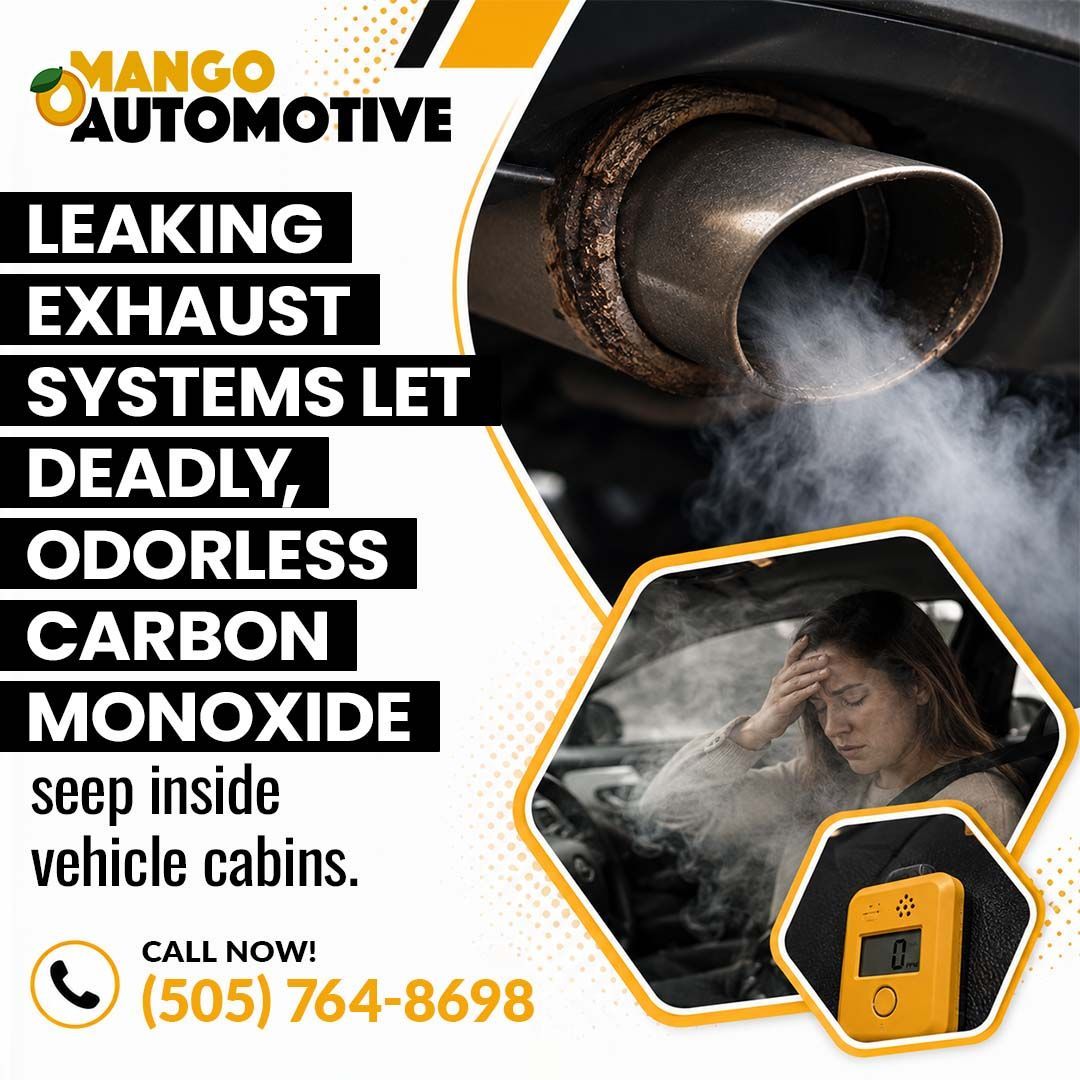
Exhaust leaks can expose occupants to carbon monoxide, reduce performance, and waste fuel. Know when to stop driving and visit a downtown Albuquerque mechanic.

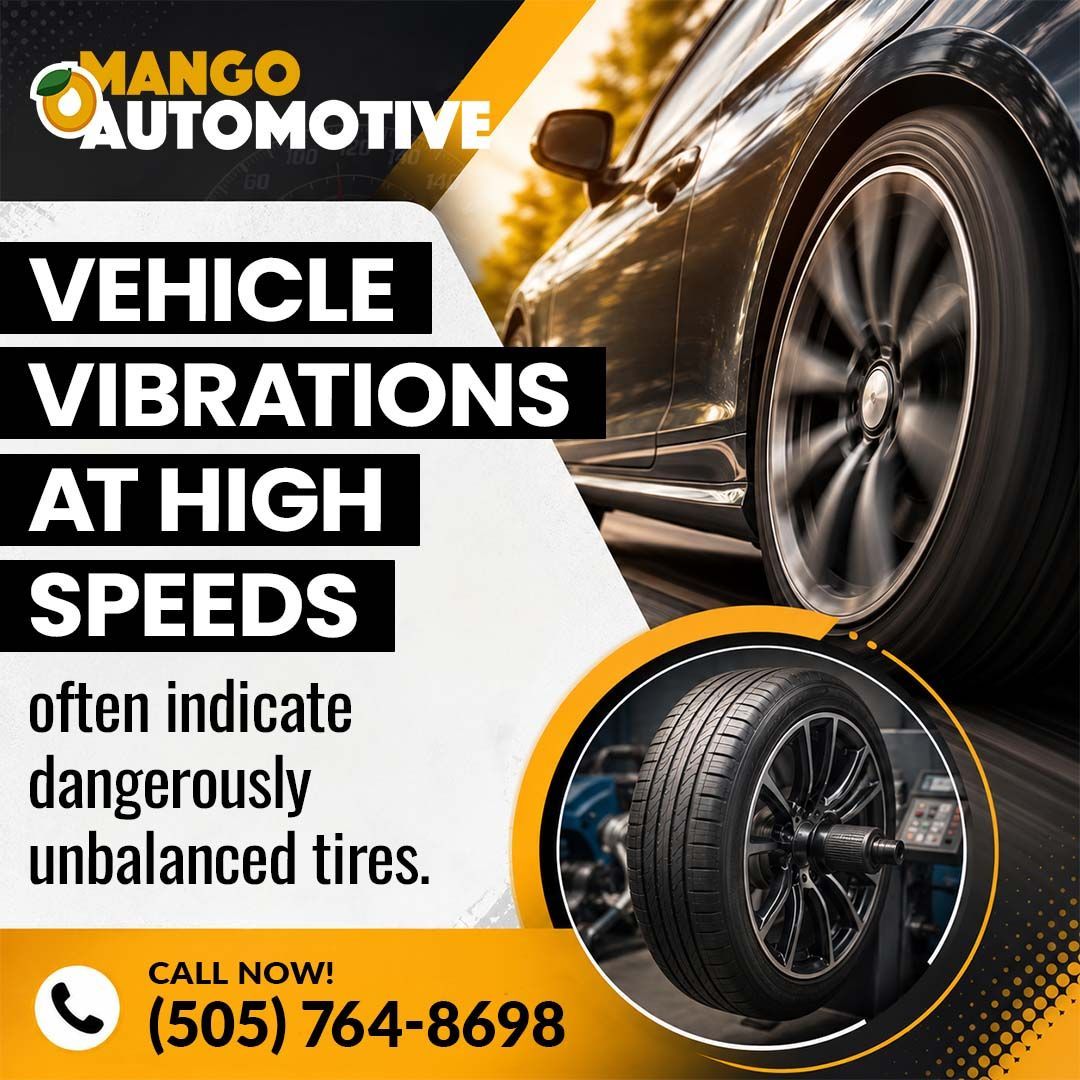
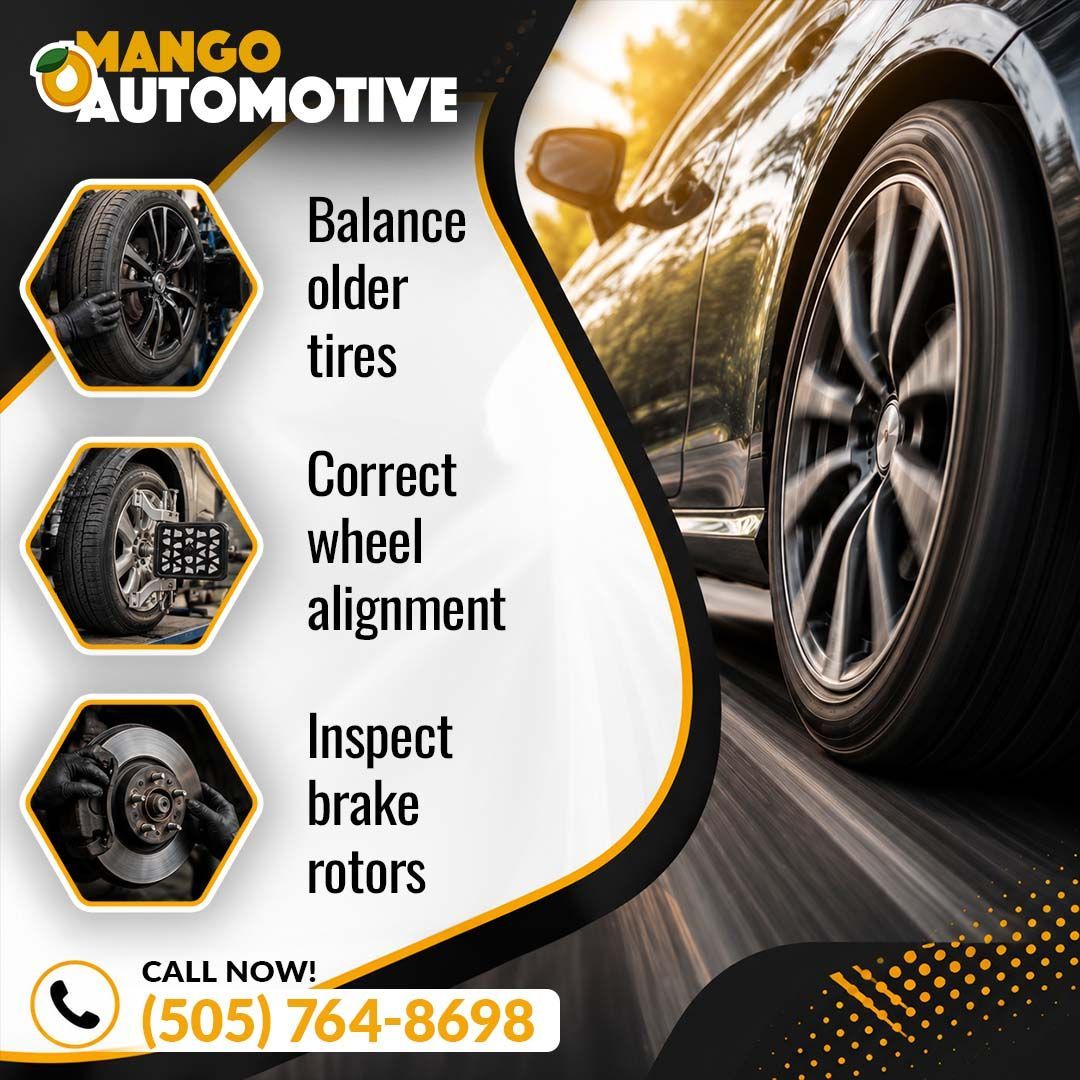
A high-speed vibration can signal tire, wheel, brake, or suspension trouble. Limit driving and schedule auto repair in downtown Albuquerque promptly.
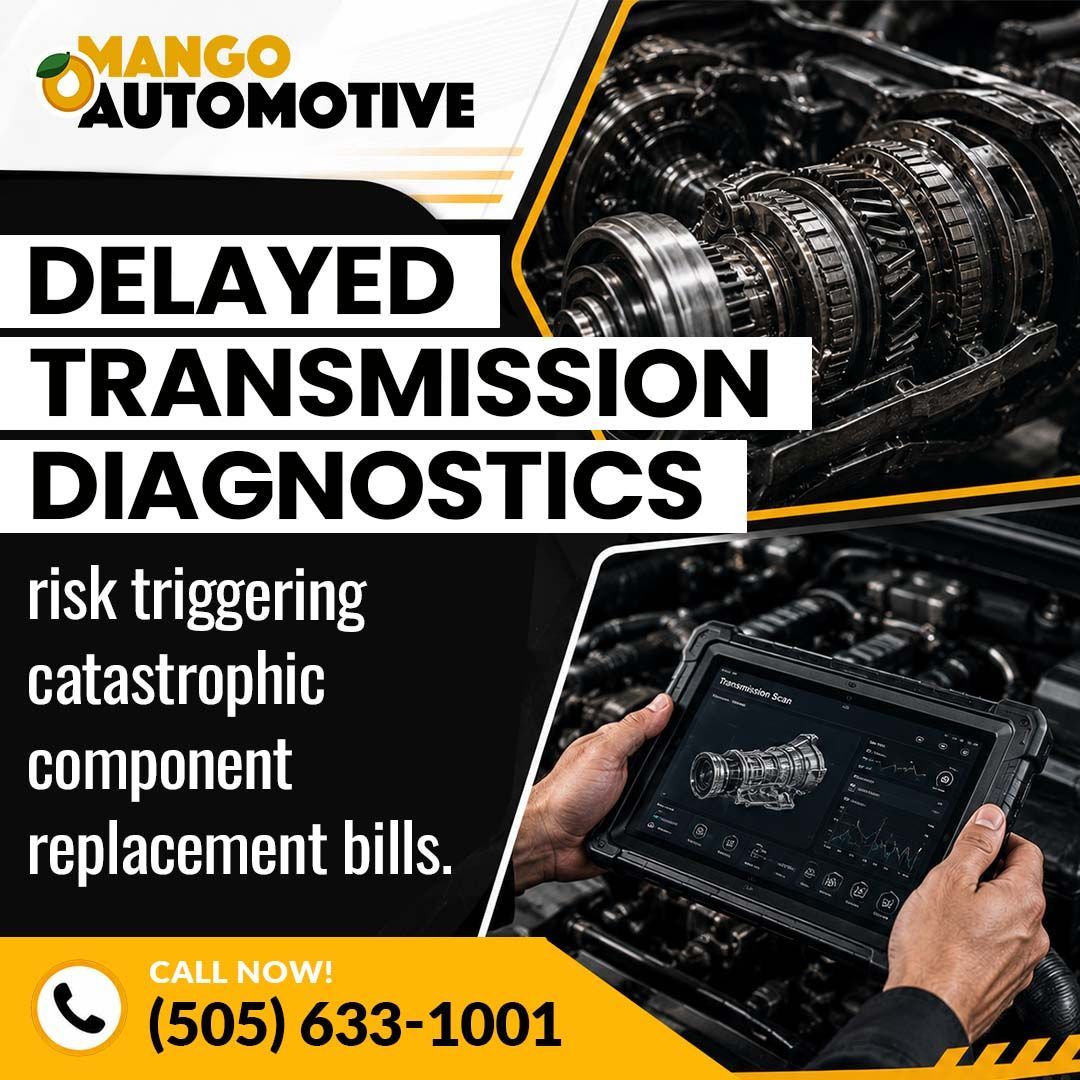
Grinding during shifts, delayed engagement, slipping, burnt fluid, or rising engine revs can signal transmission trouble that needs prompt diagnosis.

Grinding during acceleration may point to worn CV joints, wheel bearings, brakes, transmission parts, or the differential. Get it checked near Eagle Ranch.
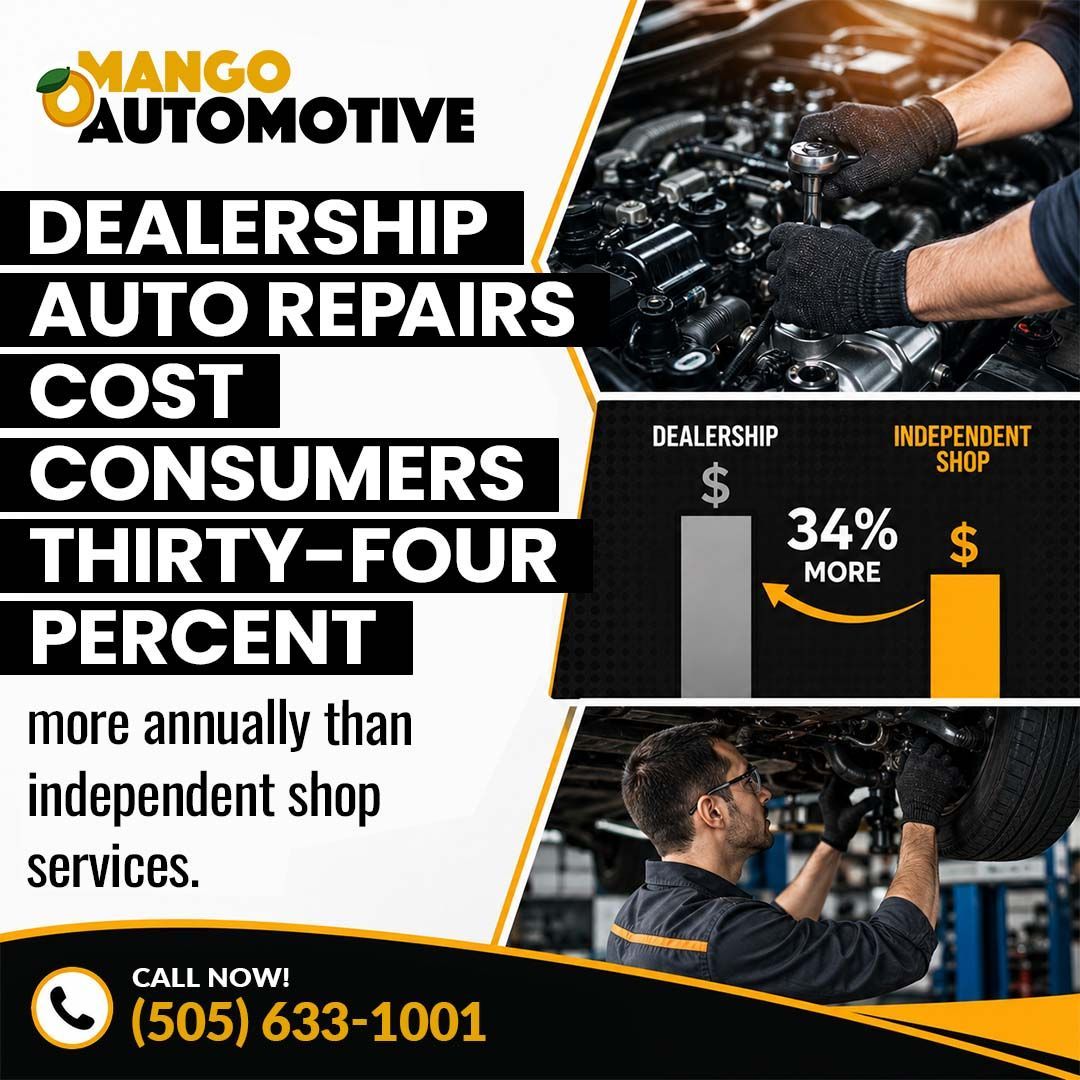
See why dealership repairs often carry higher labor and parts costs, and when an independent auto repair shop in Eagle Ranch may save you money.
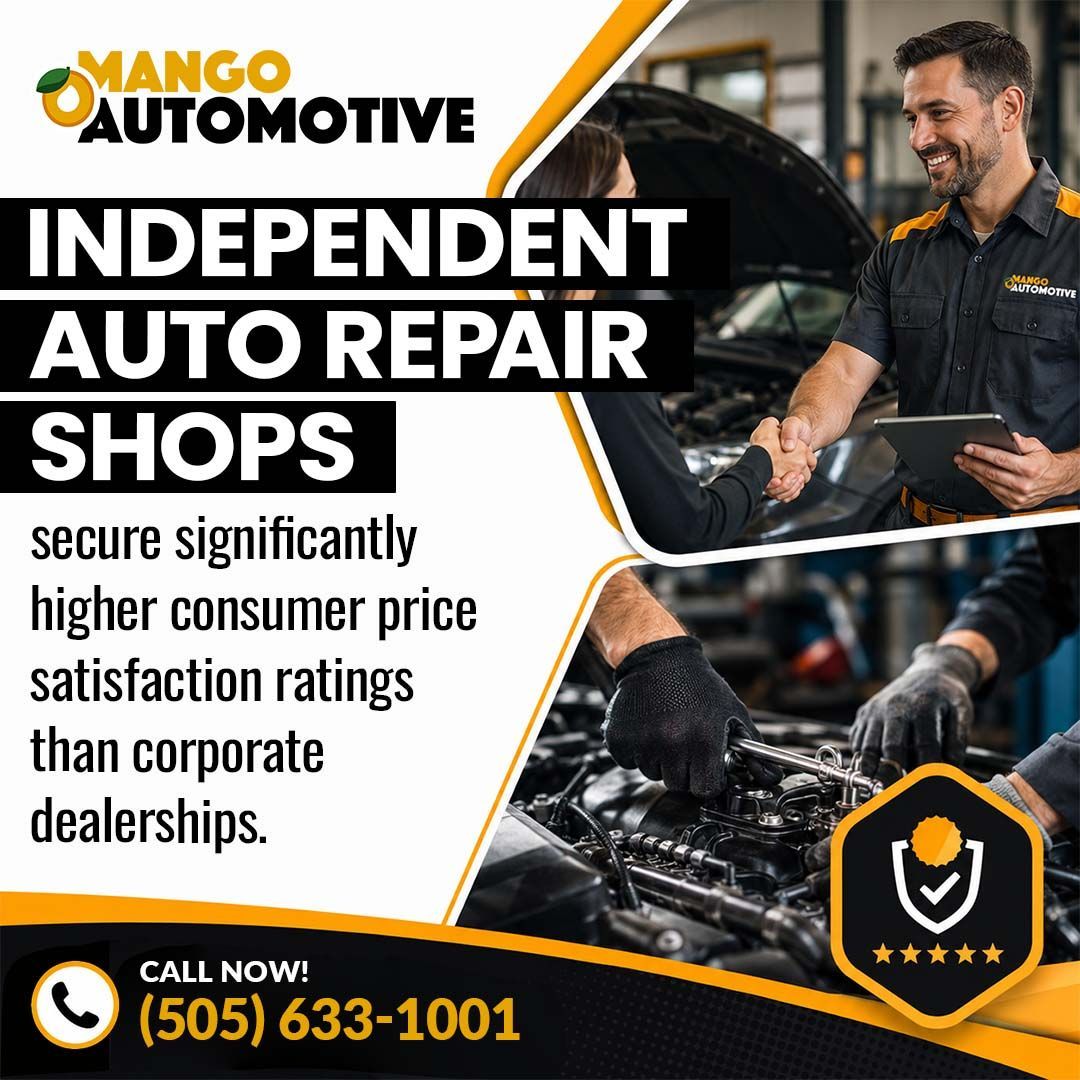
Choose a dealership for recalls or factory warranty work. For most other repairs, a local auto repair shop in Eagle Ranch may offer better value
Water-in-fuel light back after draining? Condensation, bad fuel, a filter that's due or a sensor fault may be why. What to do, from a Las Cruces diesel shop.

Diesel surging at cruising speed often traces to the fuel supply: a restricted filter, air in the lines, bad fuel or injectors. How a Yuma diesel shop checks.
Rumbling, hissing, cabin fumes, poor fuel economy, or a check engine light may signal a need for exhaust system repair in downtown Albuquerque.
Exhaust leaks can expose occupants to carbon monoxide, reduce performance, and waste fuel. Know when to stop driving and visit a downtown Albuquerque mechanic.
A high-speed vibration can signal tire, wheel, brake, or suspension trouble. Limit driving and schedule auto repair in downtown Albuquerque promptly.
Grinding during shifts, delayed engagement, slipping, burnt fluid, or rising engine revs can signal transmission trouble that needs prompt diagnosis.
Grinding during acceleration may point to worn CV joints, wheel bearings, brakes, transmission parts, or the differential. Get it checked near Eagle Ranch.
See why dealership repairs often carry higher labor and parts costs, and when an independent auto repair shop in Eagle Ranch may save you money.
Choose a dealership for recalls or factory warranty work. For most other repairs, a local auto repair shop in Eagle Ranch may offer better value
Water-in-fuel light back after draining? Condensation, bad fuel, a filter that's due or a sensor fault may be why. What to do, from a Las Cruces diesel shop.
Diesel surging at cruising speed often traces to the fuel supply: a restricted filter, air in the lines, bad fuel or injectors. How a Yuma diesel shop checks.