

A shake when braking usually starts at the front brakes: uneven rotors, pad deposits or a sticking caliper. Where you feel it and what to check first.

A history report lists what was reported. A pre-purchase inspection checks the car as it is today: leaks, codes, brakes, rust and past collision repair.

P0300 means random or multiple cylinder misfires. What it feels like, why a flashing check engine light is urgent, the common causes and how it's tested.

Heater warm only while driving, or cold with the gauge climbing? What low coolant, a stuck thermostat or blend door means, and when to stop driving.
Falling fuel economy, an engine that runs more, charge swings or a hybrid warning: the signs of a failing hybrid battery, and why testing comes first.
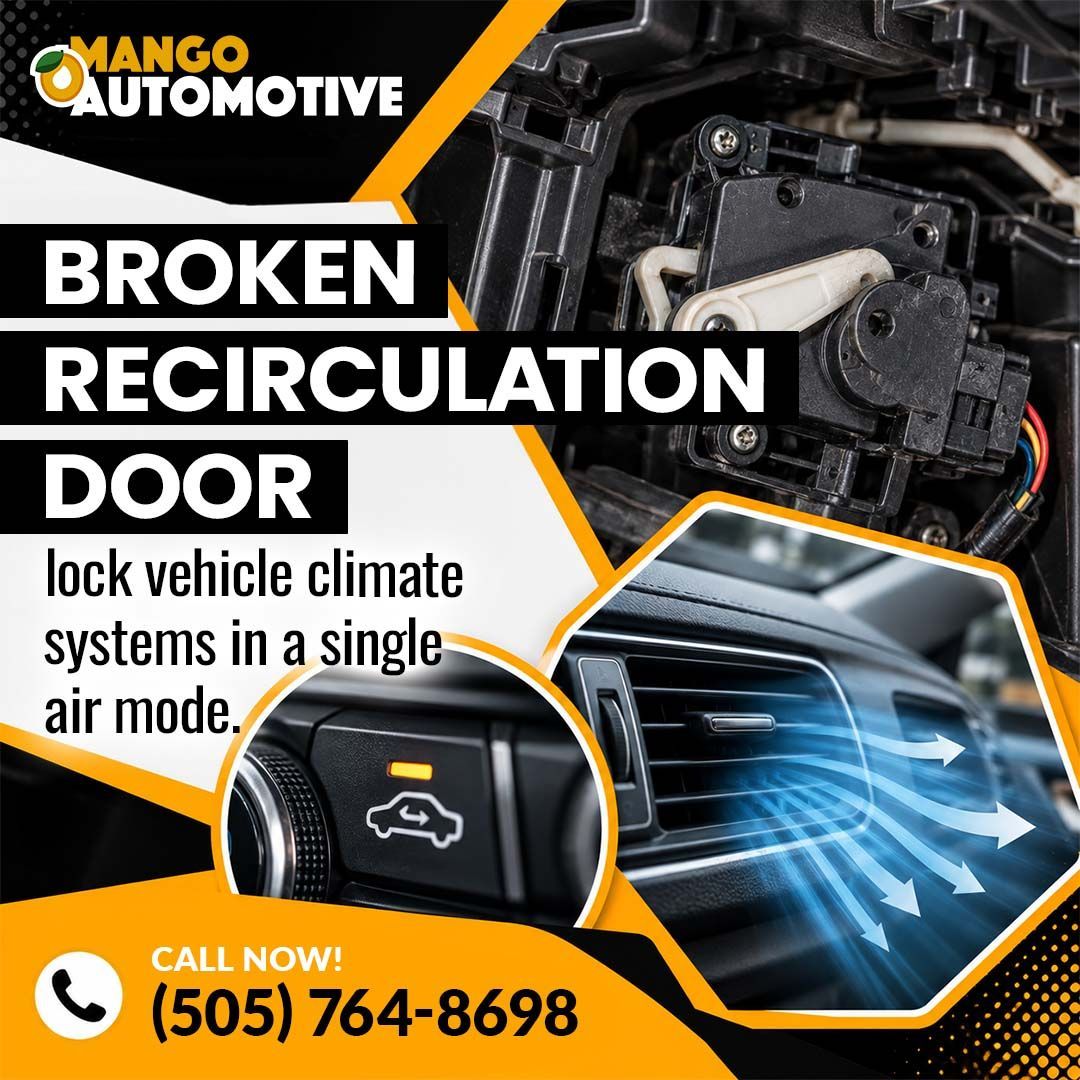
Why a car AC won't switch between fresh-air and recirculation: actuator, stuck door, wiring, or normal defrost behavior. Diagnosis in Downtown ABQ.
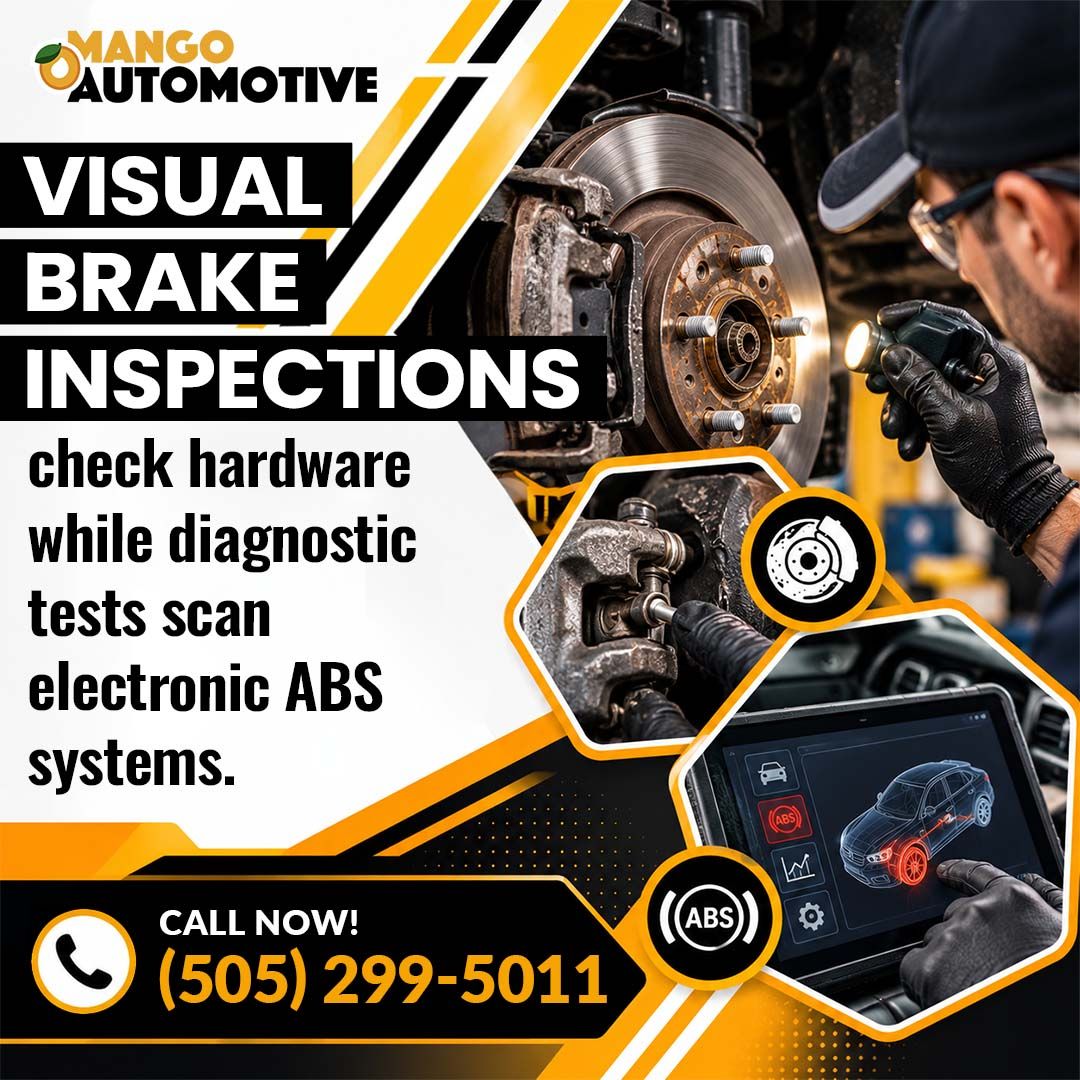
A brake inspection checks pads, rotors, calipers and fluid. A brake diagnostic test reads ABS codes. When you need each, and where in Albuquerque's Heights.

A diesel pickup leaking fuel when the tank is full may signal a damaged seal or fuel line. Learn the causes and warning signs. Get expert help today!
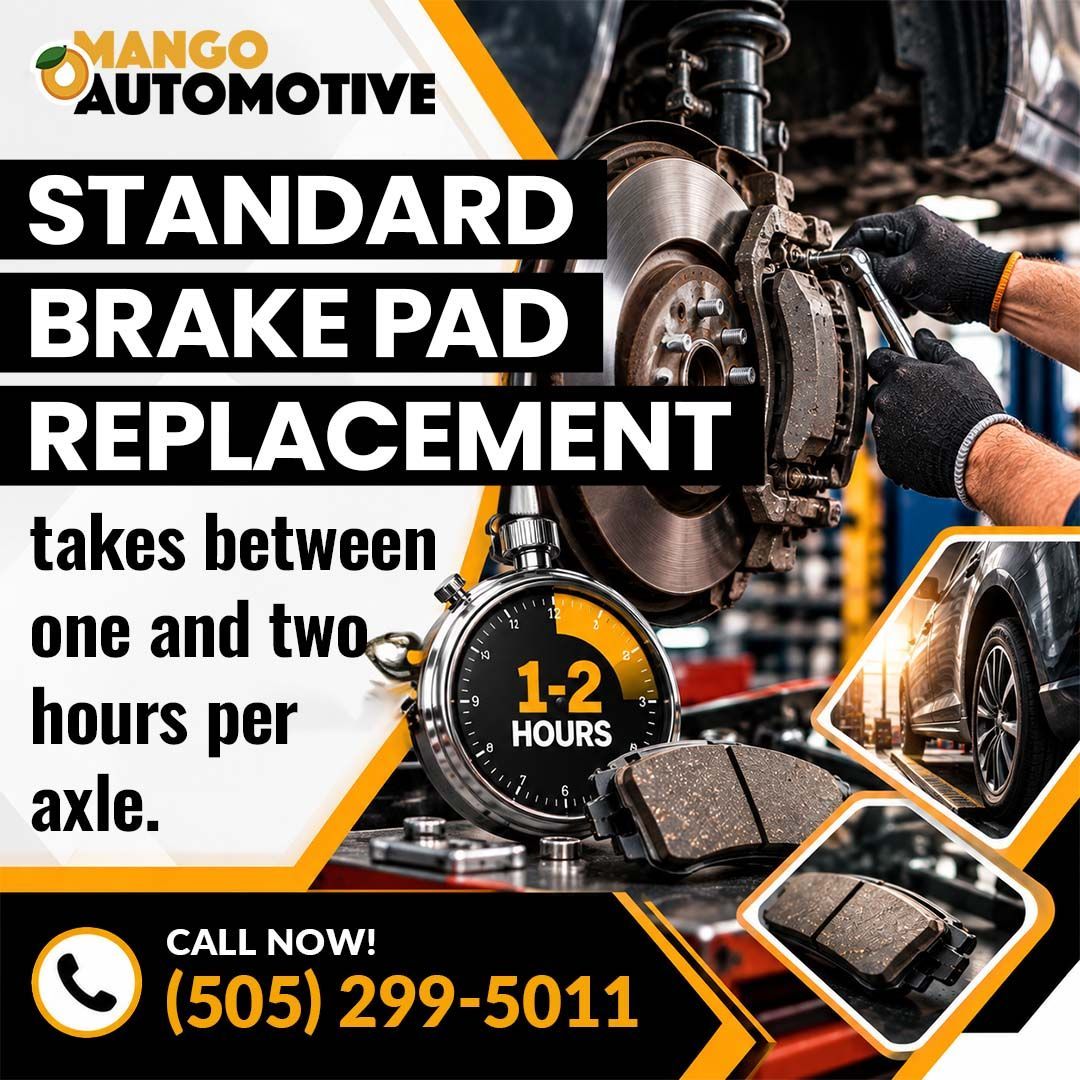
Typical brake repair times: pads, rotors, fluid flush, and caliper work, plus what makes a brake job take longer. Brake service in the NE Heights.
A shake when braking usually starts at the front brakes: uneven rotors, pad deposits or a sticking caliper. Where you feel it and what to check first.
A history report lists what was reported. A pre-purchase inspection checks the car as it is today: leaks, codes, brakes, rust and past collision repair.
P0300 means random or multiple cylinder misfires. What it feels like, why a flashing check engine light is urgent, the common causes and how it's tested.
Heater warm only while driving, or cold with the gauge climbing? What low coolant, a stuck thermostat or blend door means, and when to stop driving.
Falling fuel economy, an engine that runs more, charge swings or a hybrid warning: the signs of a failing hybrid battery, and why testing comes first.
Why a car AC won't switch between fresh-air and recirculation: actuator, stuck door, wiring, or normal defrost behavior. Diagnosis in Downtown ABQ.
A brake inspection checks pads, rotors, calipers and fluid. A brake diagnostic test reads ABS codes. When you need each, and where in Albuquerque's Heights.
A diesel pickup leaking fuel when the tank is full may signal a damaged seal or fuel line. Learn the causes and warning signs. Get expert help today!
Typical brake repair times: pads, rotors, fluid flush, and caliper work, plus what makes a brake job take longer. Brake service in the NE Heights.