New Paragraph
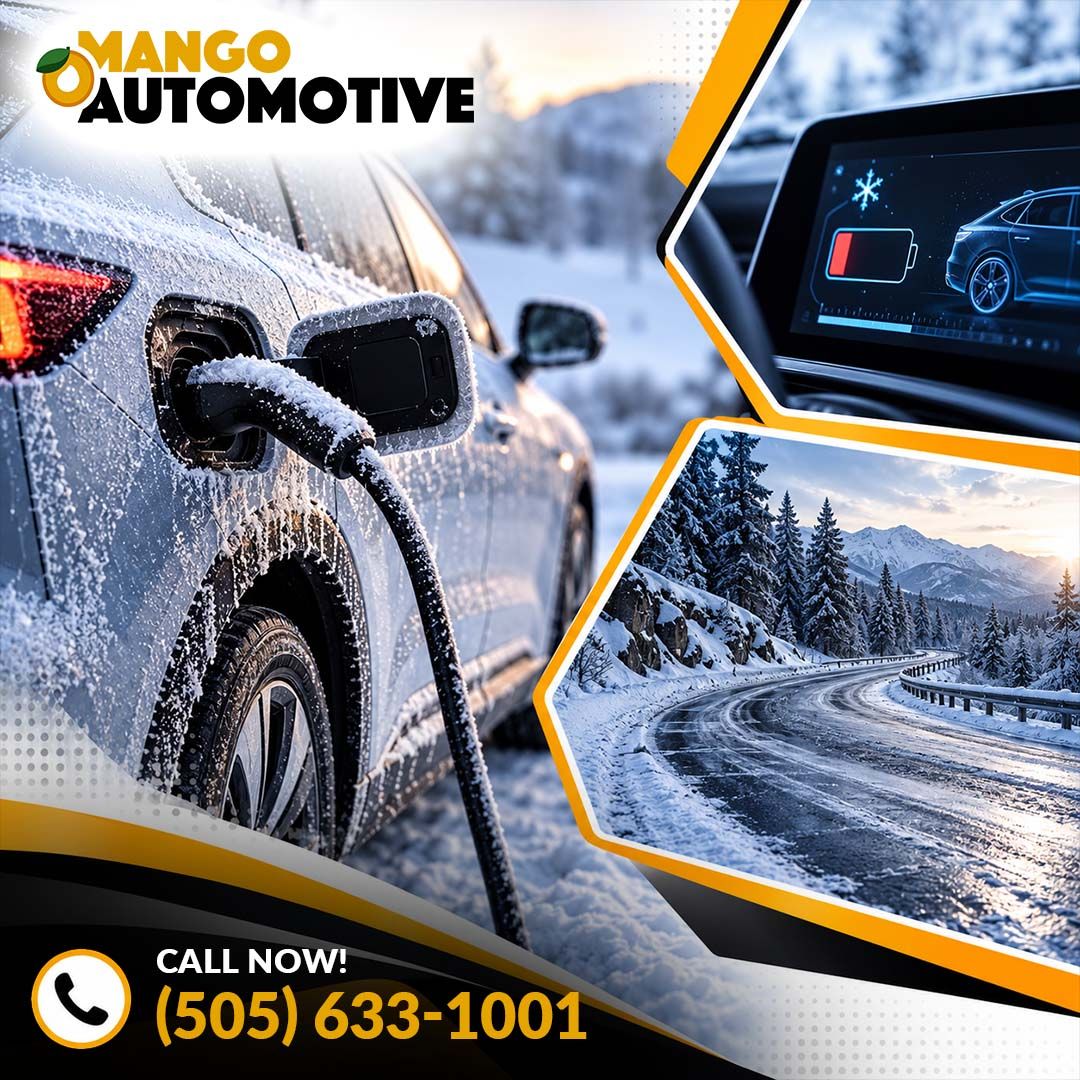
An EV enters reduced-power mode, often called "turtle mode," even with charge remaining because the battery management system is protecting the pack from extreme cold, overheating, or a flagged fault. Reduced power can be a protective response, but it can also indicate a problem that needs diagnosis. If you've noticed this while looking into
electric vehicle service in Albuquerque, here's what's actually happening. We at
Mango Automotive break down the causes below.

What Is Reduced-Power Mode in an EV?
Reduced-power mode limits acceleration or top speed when the vehicle's control systems detect conditions that may require it to restrict performance. Depending on the model, cold temperatures, battery overheating, or a system fault can trigger the warning. The warning alone does not establish the cause or severity of the issue, so follow the message displayed and the instructions in your owner's manual.
What Causes Reduced Power Even With Charge Left?
- Cold battery temperature: Lithium-ion cells deliver less usable power below a certain temperature, even at a high state of charge.
- Battery overheating: Kia's owner documentation warns that when the high-voltage battery gets too hot, the system displays a warning and limits power to let it cool.
- Extended cold-weather parking: Kia notes that if the battery sits at a low charge in cold temperatures for a long stretch, vehicle power can be limited until it's charged again.
- A flagged system fault: Voltage or temperature readings outside a cell's rated range can trigger a protective limp-home mode, even when the charge display still shows a healthy percentage.
If any of these keep happening outside of cold weather or a low charge, it's worth scheduling an
EV diagnostic inspection in Albuquerque to ask about supported diagnostic scans for your vehicle rather than guessing at the cause. Confirm that your make, model, and concern are within the shop's service scope.
How Does Cold Weather Cause Reduced Power?
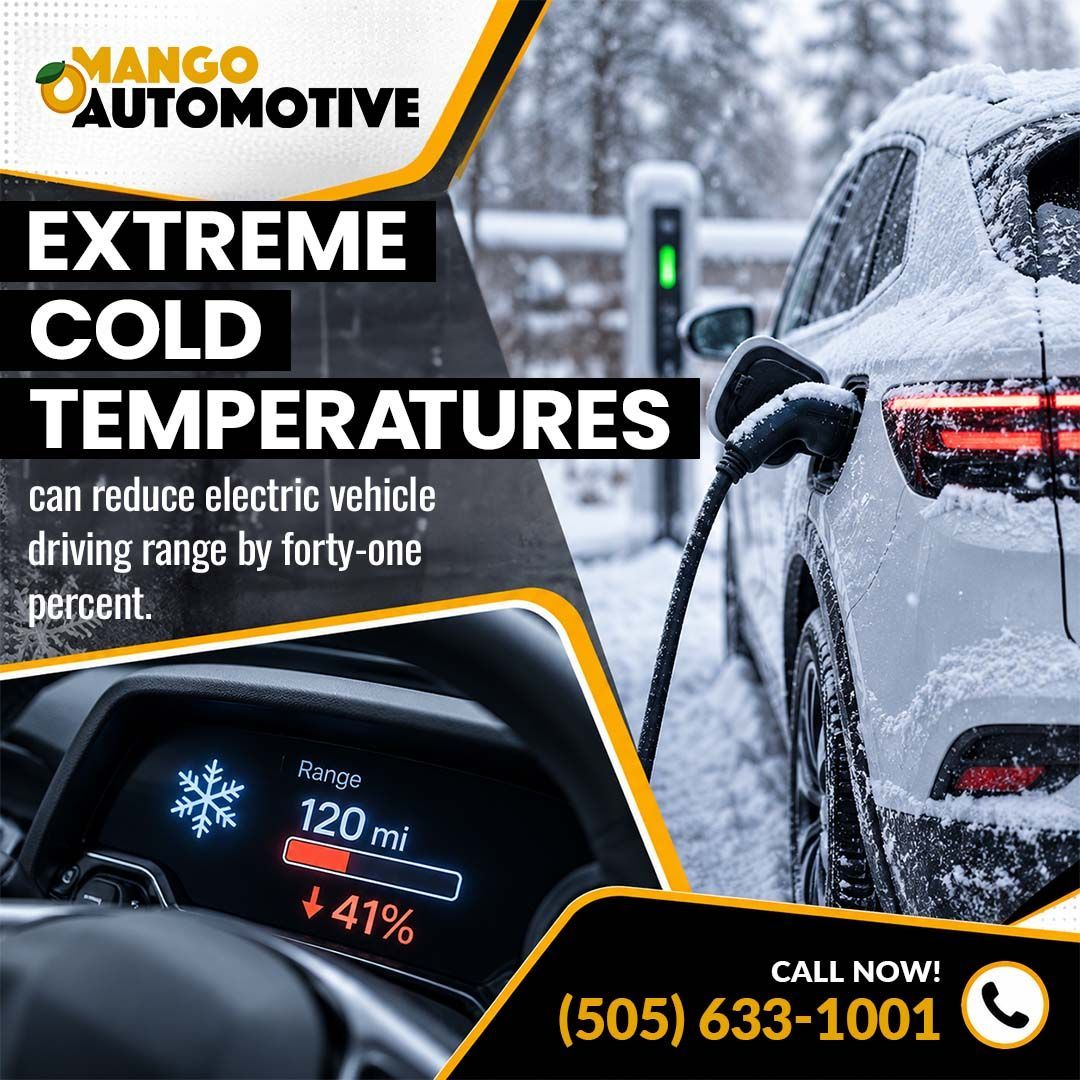
Cold weather can reduce an EV's driving range and increase the energy needed to operate it. The U.S. Department of Energy's Vehicle Technologies Office, working with Argonne National Laboratory, tested EVs on a chassis dynamometer at temperatures from 0°F to 95°F. At 20°F, under the study's specific test conditions, including a 72°F cabin setting,
BEV range dropped by 41%, compared to 10% for a gas-powered vehicle. In extreme cold at 0°F, range loss averaged around 50%. These figures reflect results under specific test conditions, not a universal prediction for every vehicle. Cold temperatures can also limit the power available from an EV battery, but range-loss figures alone cannot explain why a particular vehicle enters reduced-power mode. The warning and vehicle diagnostic information are needed to assess its cause.
Trigger
What the System Does
Typical Response
Cold battery
Limits power output
Follow the manual's guidance; charging or warmer conditions may help
Overheated battery
Limits power and may display a warning
Follow the displayed warning and owner's manual; stop safely and seek assistance if instructed
Low charge plus extended cold parking
May limit power until charged
Charge according to the vehicle's instructions
Flagged fault
May restrict power
Arrange appropriate diagnostic assistance
When Should Reduced Power Mean a Trip to the Shop?
If the warning appears and clears once the battery warms up or charges, that may indicate a temperature- or charge-related limitation, but it does not confirm the cause. If it keeps appearing in mild weather or shows up alongside dashboard errors, have the vehicle assessed rather than waiting it out. An electric vehicle repair center may be able to help with supported diagnostics, depending on the vehicle and issue.
Follow the exact dashboard warning and owner's manual. If the vehicle cannot maintain adequate speed or performance for traffic, move out of traffic safely and arrange assistance. Stop safely and follow the manual's instructions if a warning directs you to stop, or if you see an overheating or power-supply warning that requires stopping. Do not continue driving if doing so would be unsafe.

Frequently Asked Questions
Is it safe to keep driving in reduced-power mode?
It depends on the warning and how the vehicle is behaving. Follow the displayed message and owner's manual. If performance is too limited for safe travel, move out of traffic safely and arrange assistance. Stop safely if the vehicle instructs you to stop or displays a warning requiring immediate action.
Does reduced-power mode damage the battery?
Reduced-power mode does not by itself establish whether the battery is damaged or what caused the warning. It can be a protective response, but repeated warnings or reduced power in normal conditions warrant diagnosis.
Can preconditioning the battery prevent this?
It may help with cold-related power limiting. Warming the battery while the vehicle is plugged in before a cold-weather drive can reduce the effects of low battery temperature, depending on the model and settings. It will not resolve every cause of reduced power.
Get an EV Diagnostic Inspection in Albuquerque
If your EV keeps limiting power outside of cold-weather or low-charge conditions, call Mango Automotive at (505) 633-1001 to ask about supported diagnostic scans, 12V battery testing, and applicable supporting-system checks for eligible vehicles. You can confirm your vehicle's make, model, and service eligibility when you call. High-voltage battery diagnostics or repairs that fall outside the shop's service scope may require a qualified specialist or dealership.
Get an EV Diagnostic Inspection in Albuquerque
If reduced-power mode keeps appearing in normal conditions, schedule an EV diagnostic inspection in Albuquerque. Mango Automotive can help confirm whether supported scans, 12V battery testing, and related system checks are available for your vehicle. Call (505) 633-1001 to confirm service eligibility. High-voltage battery diagnostics or repairs outside the shop's service scope may require a qualified specialist or dealership.