

A shake when braking usually starts at the front brakes: uneven rotors, pad deposits or a sticking caliper. Where you feel it and what to check first.

A history report lists what was reported. A pre-purchase inspection checks the car as it is today: leaks, codes, brakes, rust and past collision repair.

P0300 means random or multiple cylinder misfires. What it feels like, why a flashing check engine light is urgent, the common causes and how it's tested.

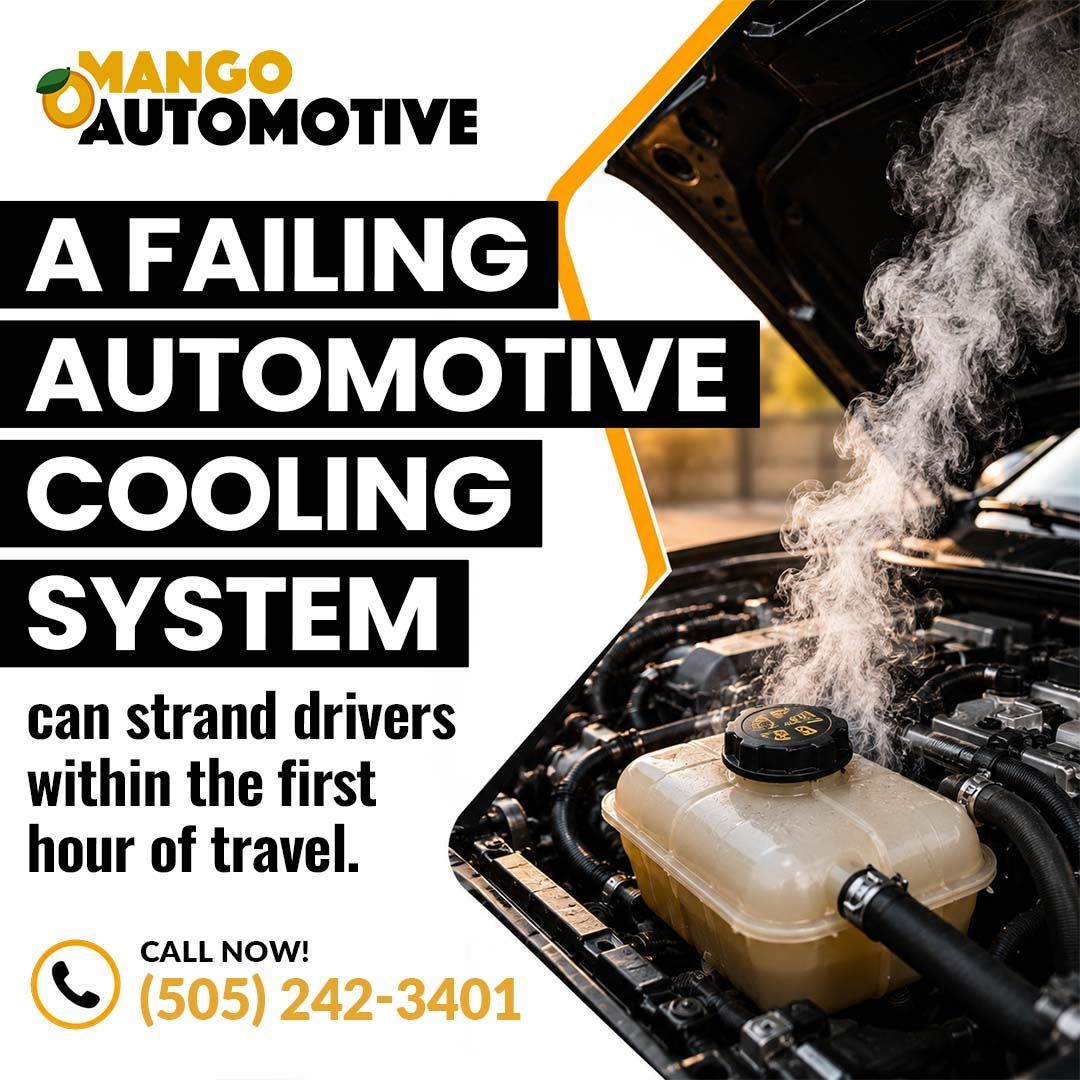
Heater warm only while driving, or cold with the gauge climbing? What low coolant, a stuck thermostat or blend door means, and when to stop driving.
Falling fuel economy, an engine that runs more, charge swings or a hybrid warning: the signs of a failing hybrid battery, and why testing comes first.
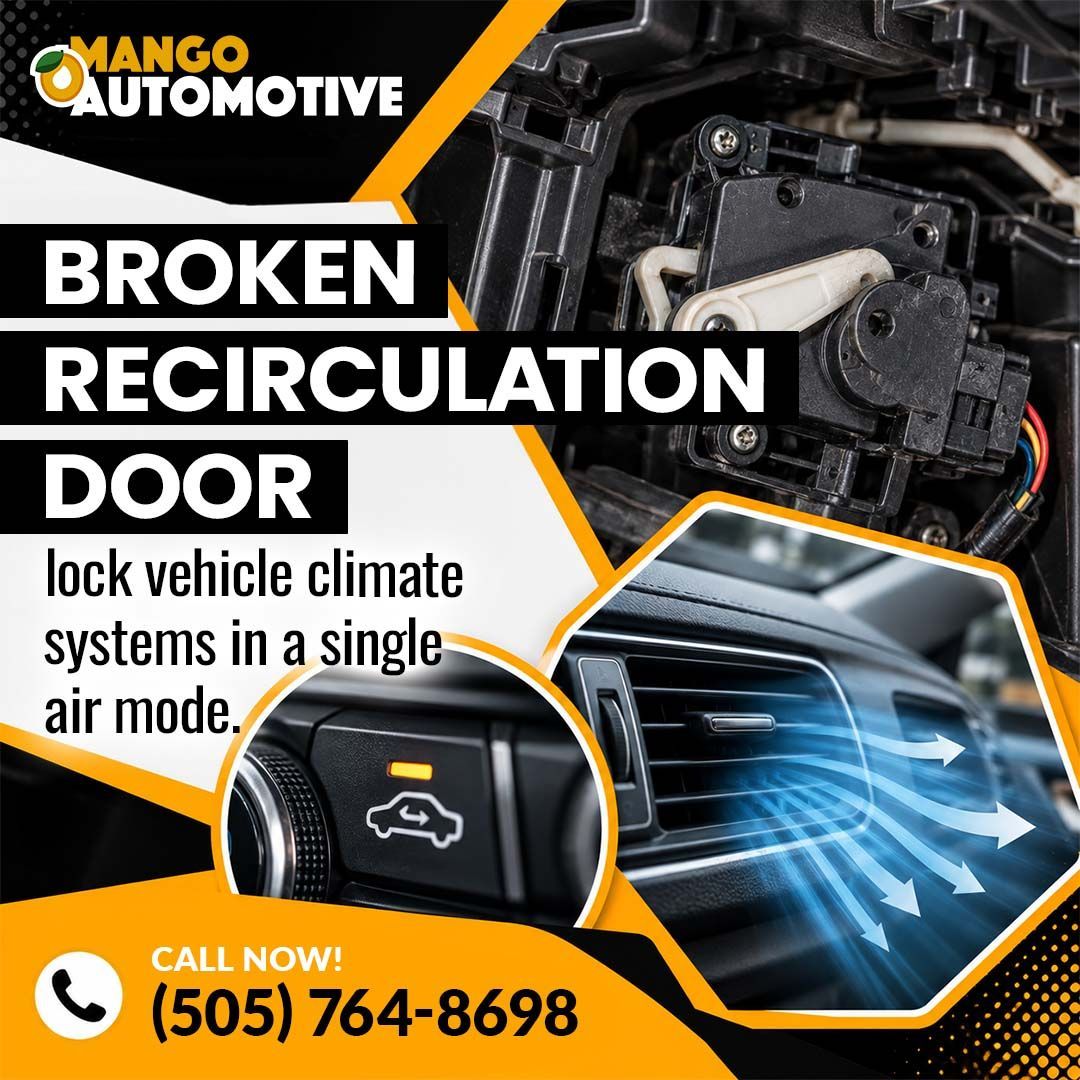
Why a car AC won't switch between fresh-air and recirculation: actuator, stuck door, wiring, or normal defrost behavior. Diagnosis in Downtown ABQ.
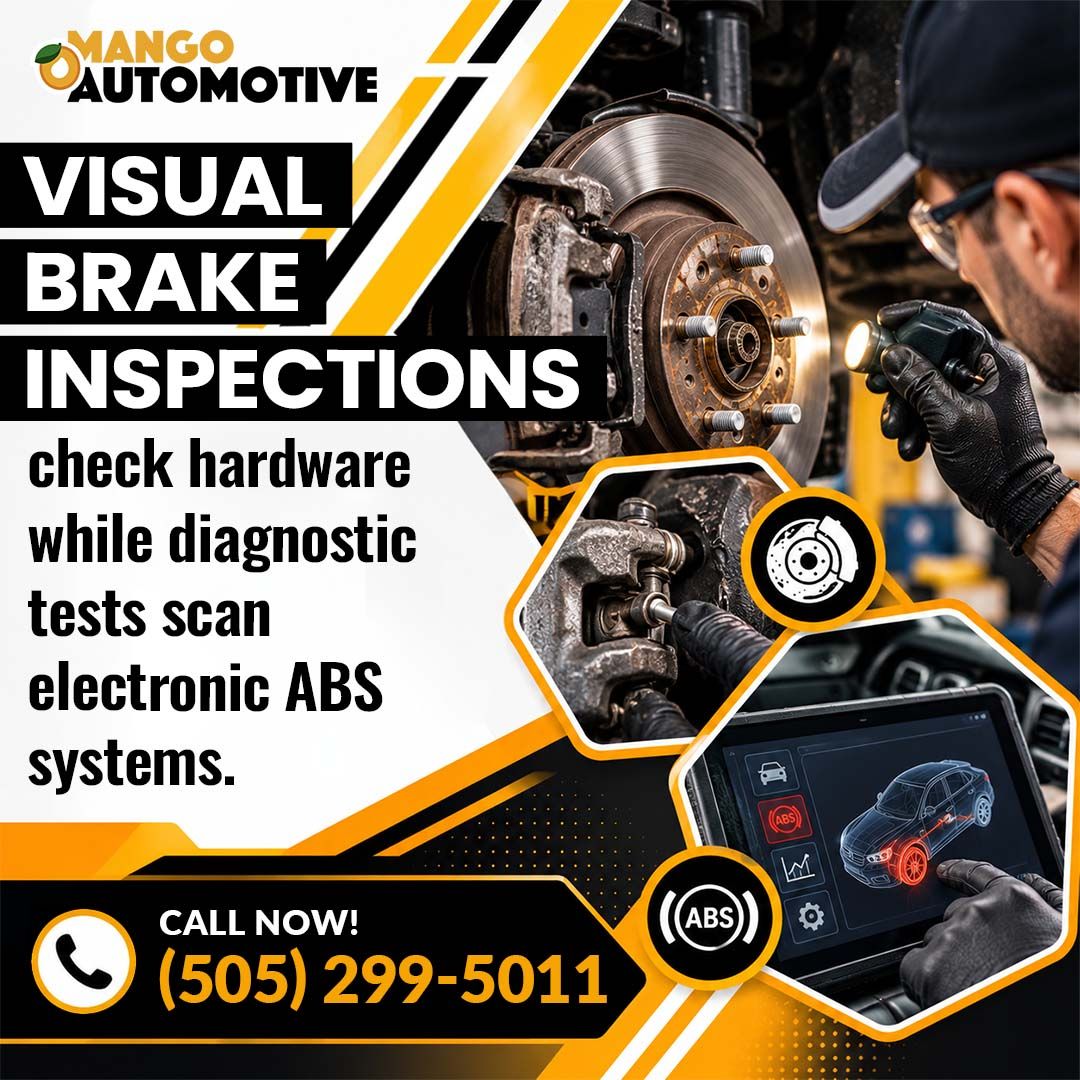
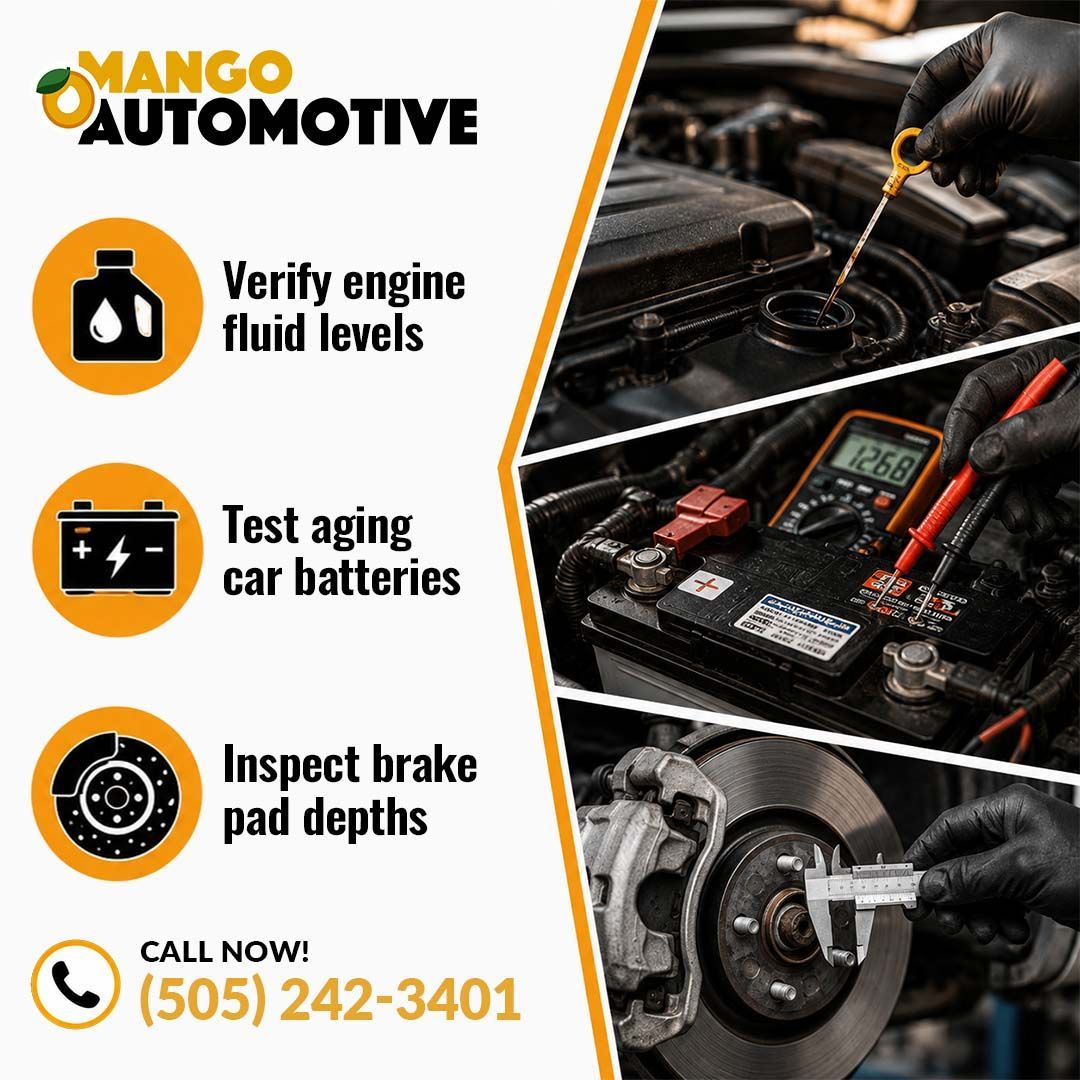
A brake inspection checks pads, rotors, calipers and fluid. A brake diagnostic test reads ABS codes. When you need each, and where in Albuquerque's Heights.

A diesel pickup leaking fuel when the tank is full may signal a damaged seal or fuel line. Learn the causes and warning signs. Get expert help today!
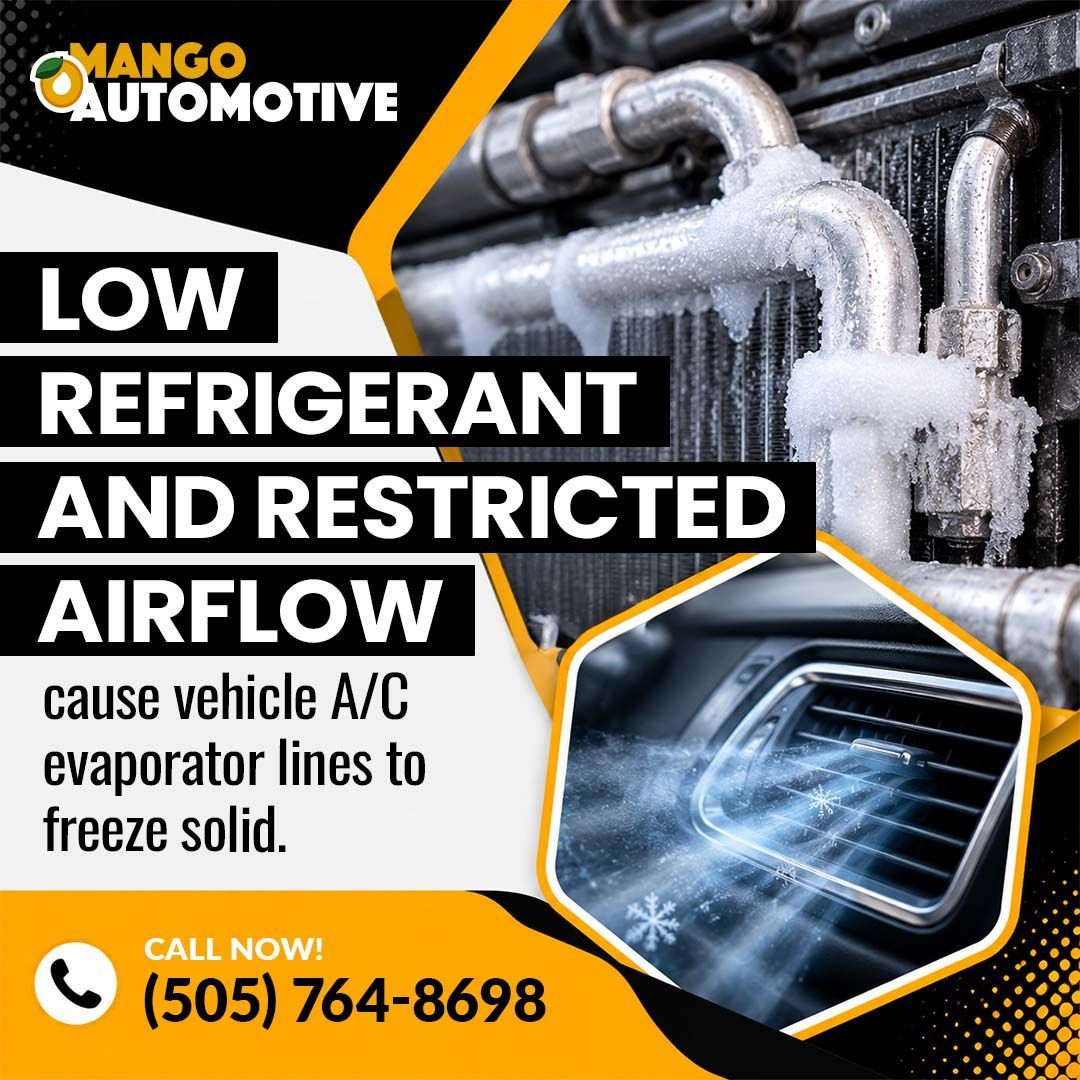
Ice on AC lines means the evaporator is too cold, usually from low refrigerant or poor airflow. Causes, fixes, and why to stop running the AC.
A shake when braking usually starts at the front brakes: uneven rotors, pad deposits or a sticking caliper. Where you feel it and what to check first.
A history report lists what was reported. A pre-purchase inspection checks the car as it is today: leaks, codes, brakes, rust and past collision repair.
P0300 means random or multiple cylinder misfires. What it feels like, why a flashing check engine light is urgent, the common causes and how it's tested.
Heater warm only while driving, or cold with the gauge climbing? What low coolant, a stuck thermostat or blend door means, and when to stop driving.
Falling fuel economy, an engine that runs more, charge swings or a hybrid warning: the signs of a failing hybrid battery, and why testing comes first.
Why a car AC won't switch between fresh-air and recirculation: actuator, stuck door, wiring, or normal defrost behavior. Diagnosis in Downtown ABQ.
A brake inspection checks pads, rotors, calipers and fluid. A brake diagnostic test reads ABS codes. When you need each, and where in Albuquerque's Heights.
A diesel pickup leaking fuel when the tank is full may signal a damaged seal or fuel line. Learn the causes and warning signs. Get expert help today!
Ice on AC lines means the evaporator is too cold, usually from low refrigerant or poor airflow. Causes, fixes, and why to stop running the AC.