

P0299 signals diesel turbo underboost. Common causes include boost leaks, intercooler damage, a stuck wastegate, or a faulty pressure sensor.
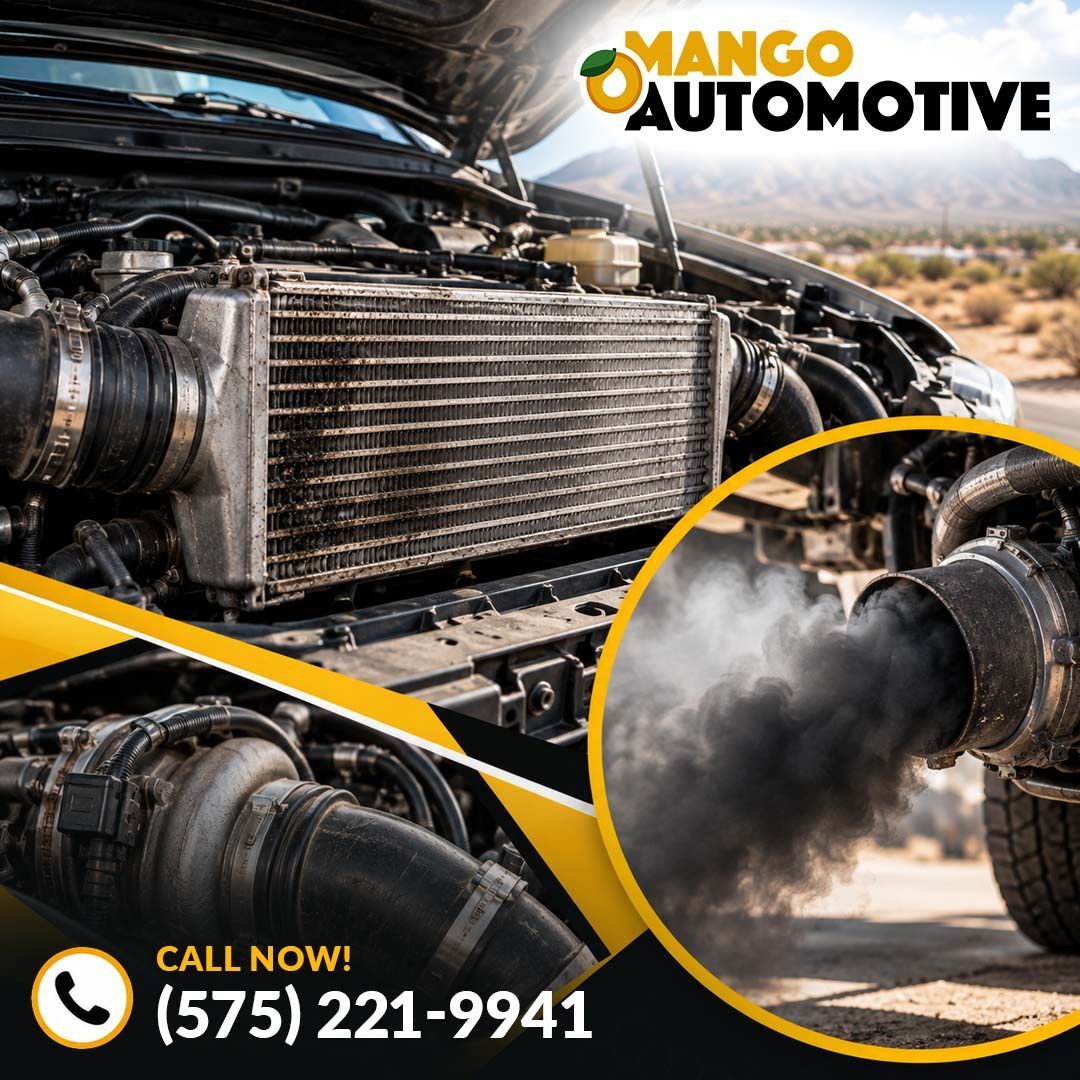
Power loss, black smoke, hissing, boost codes, and poor fuel economy may point to a failing diesel intercooler. A pressure test can confirm the cause.
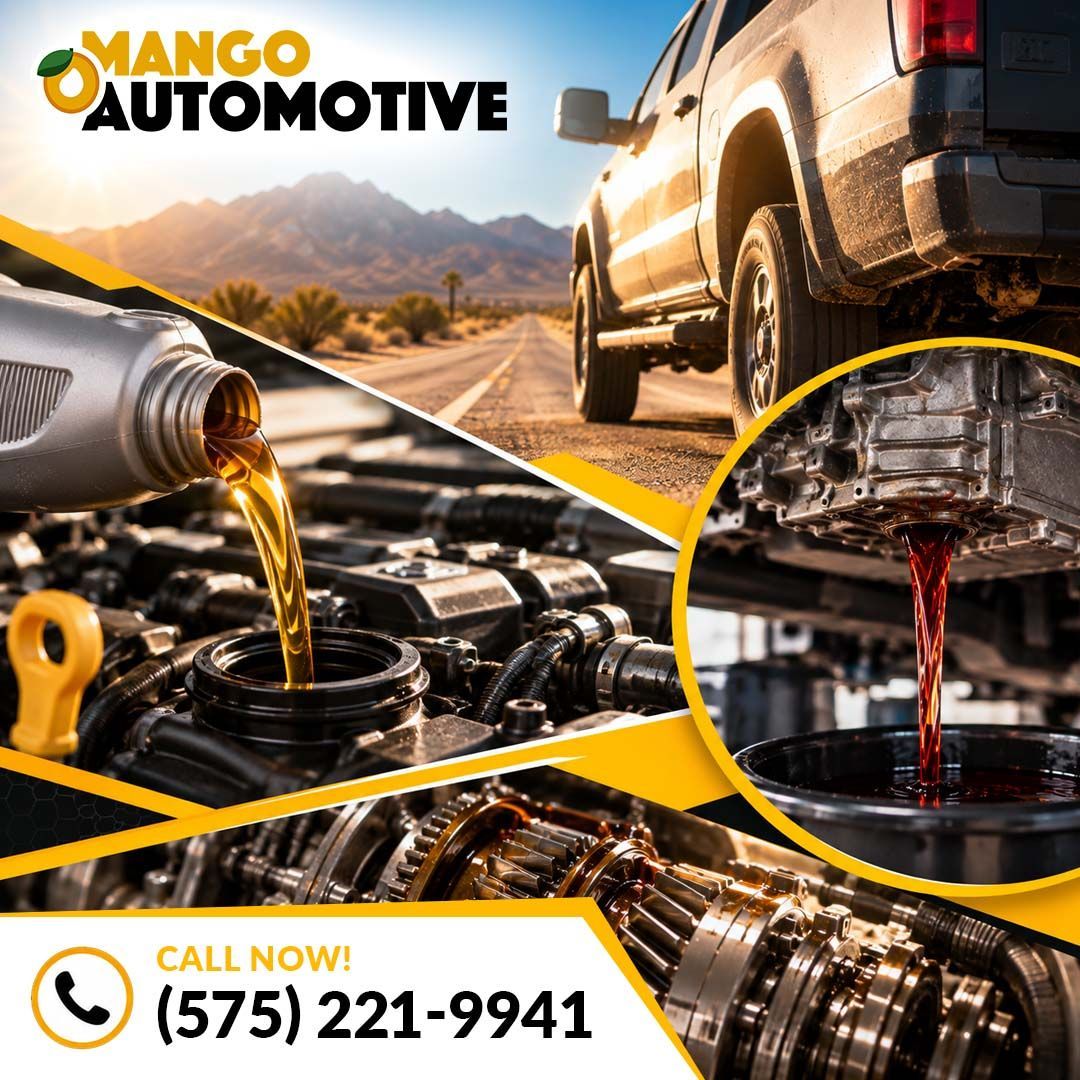
Check engine oil monthly and transmission fluid at every oil change in Las Cruces heat. Towing or heavy traffic may require more frequent checks.
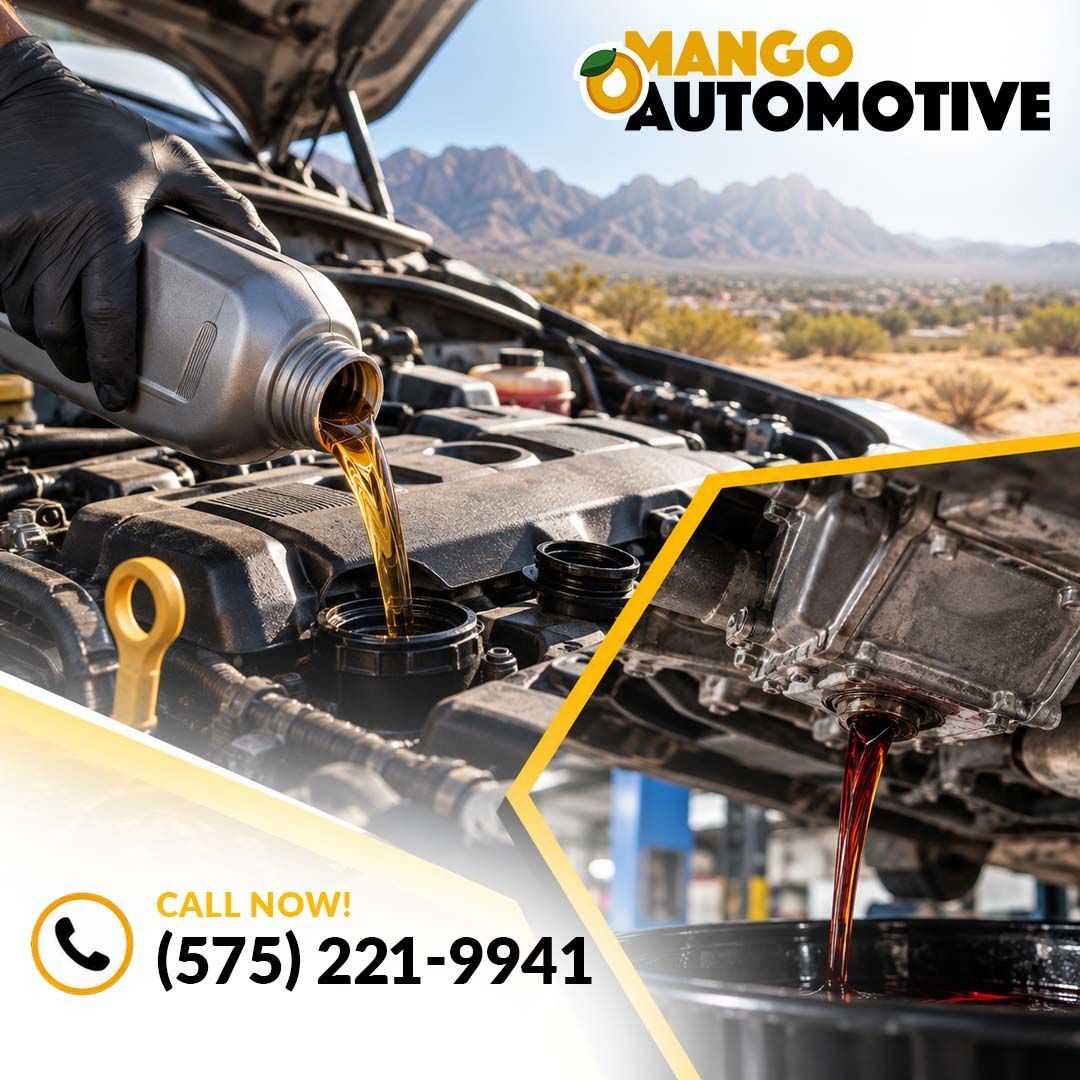
Las Cruces heat speeds up engine oil oxidation and shortens transmission fluid life. Know the warning signs and when to schedule a fluid check.

Learn the signs of diesel transmission damage after towing, including slipping, delayed shifting, overheating, burnt fluid, and when to seek a diagnostic.
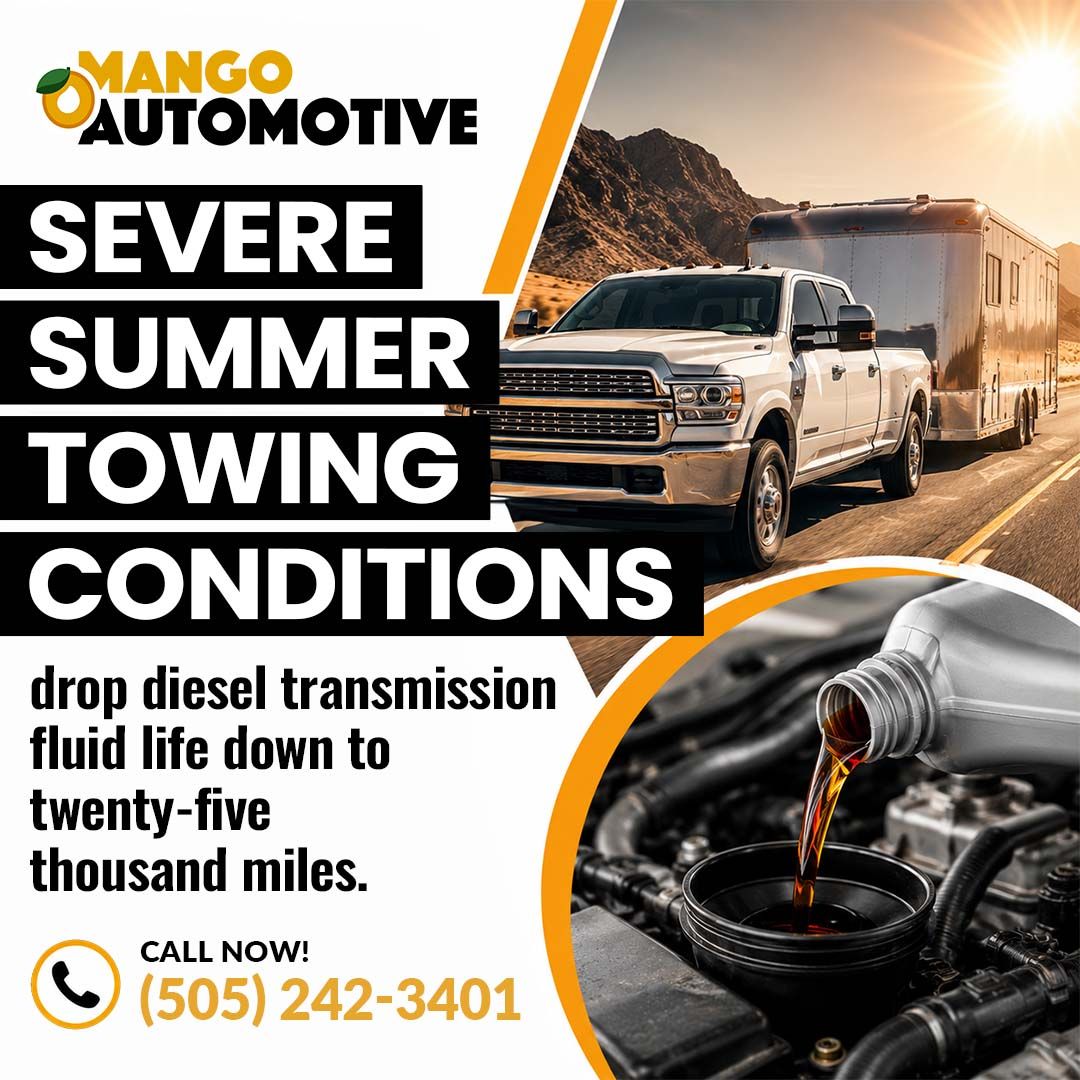
Learn how to prepare a diesel truck for summer towing in Albuquerque with tips for cooling systems, fluids, turbochargers, fuel systems and towing limits.
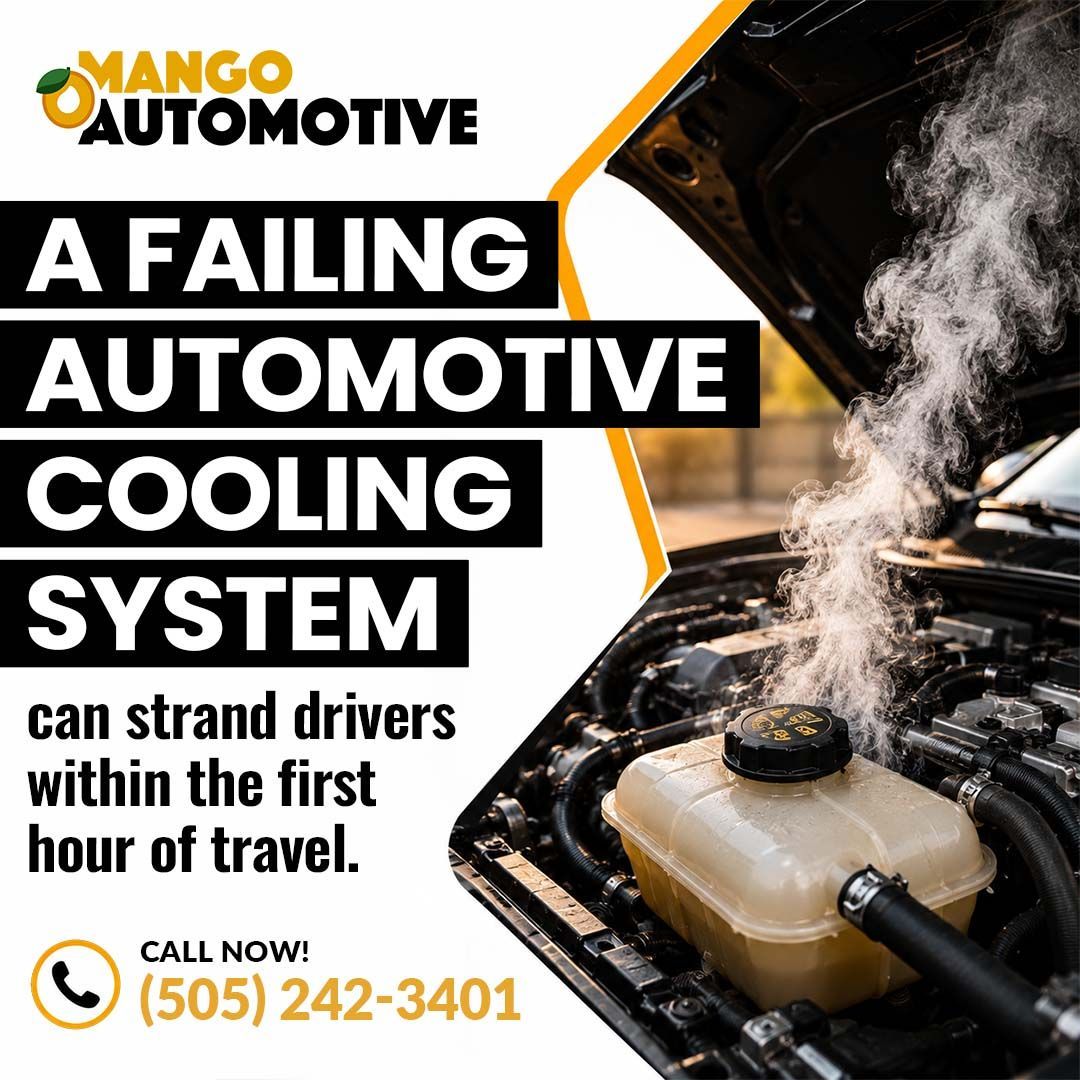
Planning a road trip from Albuquerque? Check your oil, coolant, brakes, battery, tires and more before hitting the highway with this pre-trip checklist.

Learn how often El Paso drivers should get an oil change based on driving conditions, oil type, vehicle mileage, and manufacturer recommendations.
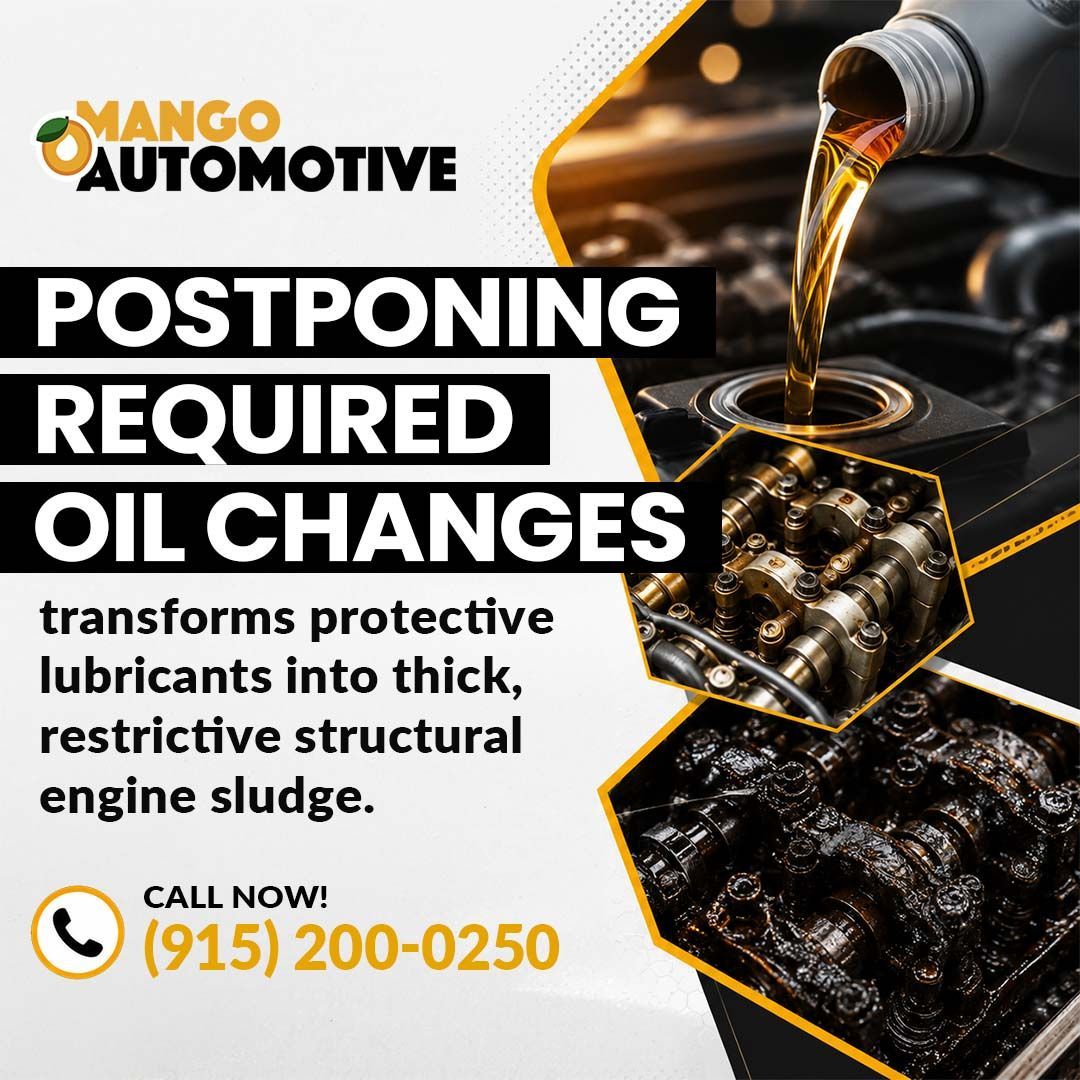
Learn how skipped oil changes can cause engine sludge, overheating, bearing wear, and serious engine damage for drivers in El Paso.
P0299 signals diesel turbo underboost. Common causes include boost leaks, intercooler damage, a stuck wastegate, or a faulty pressure sensor.
Power loss, black smoke, hissing, boost codes, and poor fuel economy may point to a failing diesel intercooler. A pressure test can confirm the cause.
Check engine oil monthly and transmission fluid at every oil change in Las Cruces heat. Towing or heavy traffic may require more frequent checks.
Las Cruces heat speeds up engine oil oxidation and shortens transmission fluid life. Know the warning signs and when to schedule a fluid check.
Learn the signs of diesel transmission damage after towing, including slipping, delayed shifting, overheating, burnt fluid, and when to seek a diagnostic.
Learn how to prepare a diesel truck for summer towing in Albuquerque with tips for cooling systems, fluids, turbochargers, fuel systems and towing limits.
Planning a road trip from Albuquerque? Check your oil, coolant, brakes, battery, tires and more before hitting the highway with this pre-trip checklist.
Learn how often El Paso drivers should get an oil change based on driving conditions, oil type, vehicle mileage, and manufacturer recommendations.
Learn how skipped oil changes can cause engine sludge, overheating, bearing wear, and serious engine damage for drivers in El Paso.